

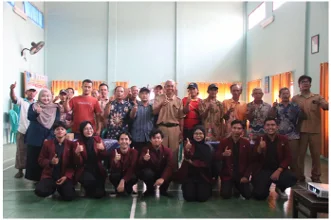
BANYUMAS, JurnalPost.com – Telkom University Purwokerto has introduced soil fertility monitoring technology based on Internet of Things (IoT) to the Farmer Group of Wlahar Wetan Village, Kalibagor District, Banyumas Regency, Central Java, on 28 September 2026.
This innovation is part of a Community Service program aimed at helping farmers monitor soil conditions in a more practical and measurable way through the use of digital technology.
The program also serves as a contribution from the university to support the digital transformation of the agricultural sector, particularly in improving farmers' access to information needed for land management.
Until now, farmers in Wlahar Wetan Village have faced several obstacles in determining soil conditions accurately. Limited measurement tools mean that fertilization decisions are generally still based on experience and traditional practices passed down through generations.
Through the application of IoT technology, farmers are expected to have an additional source of information that can be used as a consideration before making decisions regarding agricultural land management.
IoT Technology Helps Farmers Identify Soil Conditions
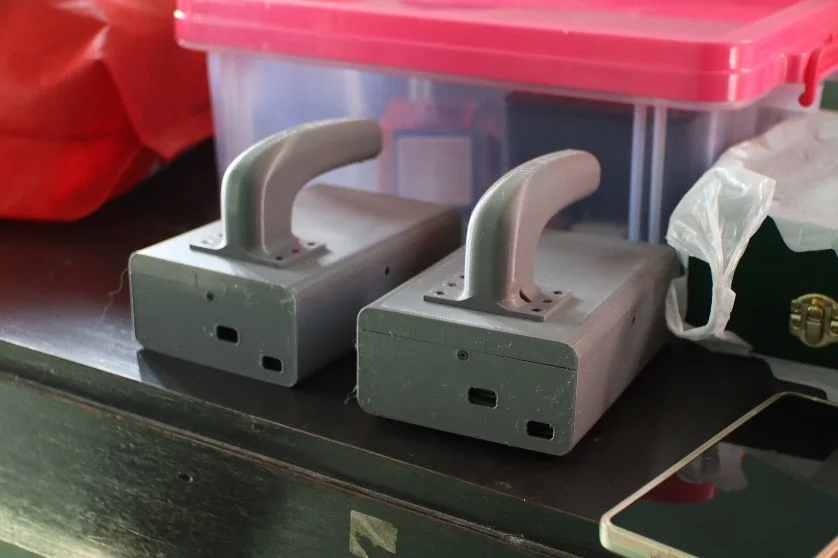
The soil fertility monitoring system introduced by the Telkom University team integrates soil sensors, microcontrollers, and IoT technology with a web-based dashboard.
The device is designed to monitor several important parameters related to soil conditions, including pH levels, moisture, and the content of nitrogen (N), phosphorus (P), and potassium (K) nutrients.
The measurement data can then be displayed via a digital dashboard, making it easier for farmers to access and understand information about their land conditions.
The use of this technology is expected to help farmers identify changes in soil conditions without having to rely entirely on manual observation.
However, the information generated by the device must still be used carefully and adjusted to the needs of the crops, land conditions, and local farming practices.
Thus, the monitoring technology acts as a decision-making tool, not as a replacement for all the knowledge and experience possessed by the farmers.
Socialization and Introduction of Devices to Farmer Groups
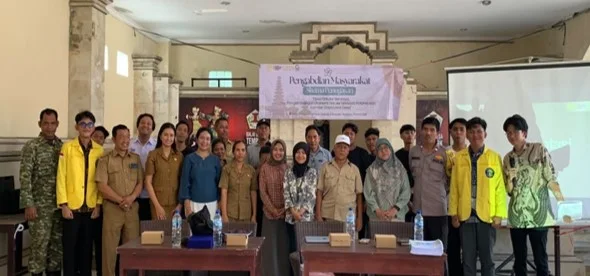
In addition to introducing the monitoring system, the Telkom University community service team also provided socialization to members of the Wlahar Wetan Village Farmer Group.
During the activity, farmers received explanations regarding the device's functions, how to use it, and how the information from soil monitoring can be utilized to support agricultural activities.
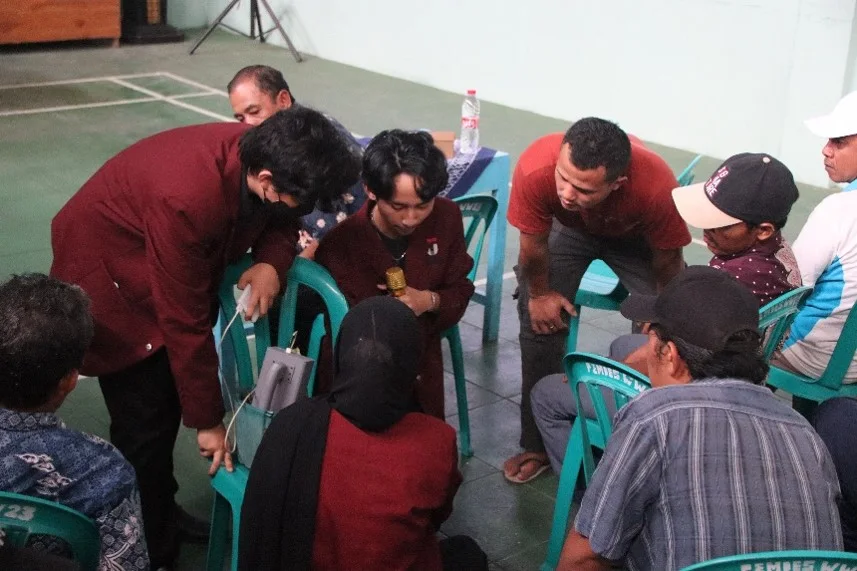
The socialization was conducted to provide a basic understanding of the application of digital technology in land management while opening a space for discussion between the service team and the community.
The involvement of farmers as primary partners is an important part of this activity. Through direct interaction, the service team can gain an overview of user needs and the challenges that may arise when the device is used in the field.
Based on initial feedback during the activity, members of the farmer group showed interest in the soil monitoring technology introduced.
This response serves as input for the service team to continue developing the device so that its use becomes easier and more relevant to the community's needs.
Handover of Two Soil Monitoring Device Units
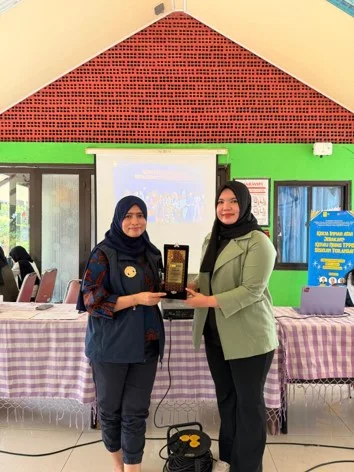
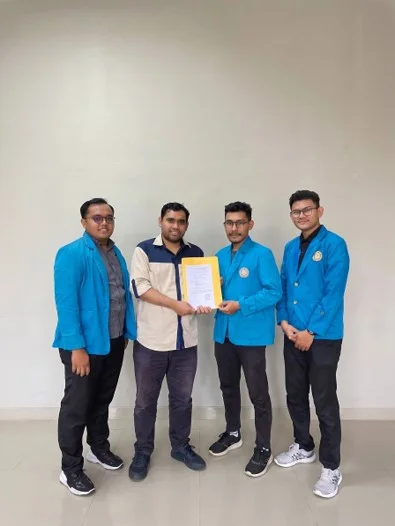
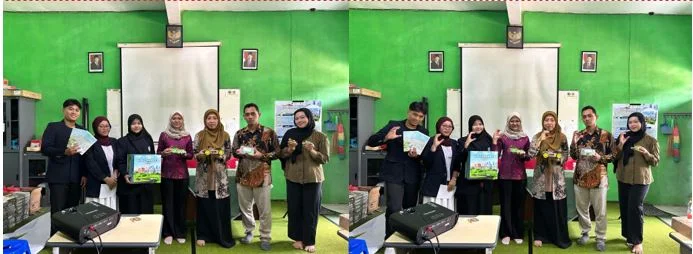
As part of the program implementation, the Telkom University team also handed over two units of soil fertility monitoring devices to the partner farmer group.
The handover was accompanied by a user manual so that the device can be studied and utilized by farmers after the socialization activity is completed.
The presence of the device is expected to open opportunities for the farmer group to learn about measuring soil conditions in a more structured manner.
However, the application of this technology still requires further evaluation and refinement, especially regarding operational ease, the reliability of measurement results, and the suitability of the information generated with agricultural conditions in Wlahar Wetan Village.
This evaluation is important so that the technology developed can not only be used technically but also truly matches the needs of farmers as users.
The sustainability of device utilization also requires mentoring and cooperation between the development team and the farmer group.
Promoting Data-Driven and Digital Technology-Based Agriculture
The application of the IoT-based soil monitoring system in Wlahar Wetan Village is a step toward bringing university technological innovation closer to community needs.
Through this community service program, Telkom University strives to demonstrate that digital technology can be utilized not only in the industrial or communication sectors but also has the potential to support agricultural activities.
Information regarding soil conditions can be a basis for farmers to evaluate land management and consider more appropriate cultivation steps.
However, the long-term benefits of the technology still need to be observed through continuous application and evaluation.
Moving forward, collaboration between the university, village government, and farmer groups is expected to be continuously strengthened, including through mentoring, training, and system development according to field needs.
Such collaboration is important so that technological innovation does not stop at the handover of devices or socialization activities, but has the opportunity to be applied sustainably.
Through the use of appropriate technology, Telkom University hopes that farmers will become increasingly accustomed to using data-based information as one of the considerations in managing agricultural land.
This program also demonstrates the role of universities in providing solutions that stem from real community problems, particularly in supporting the development of agriculture that is more adaptive to technological advancements.


Comments 0
Write a Comment Share your response