

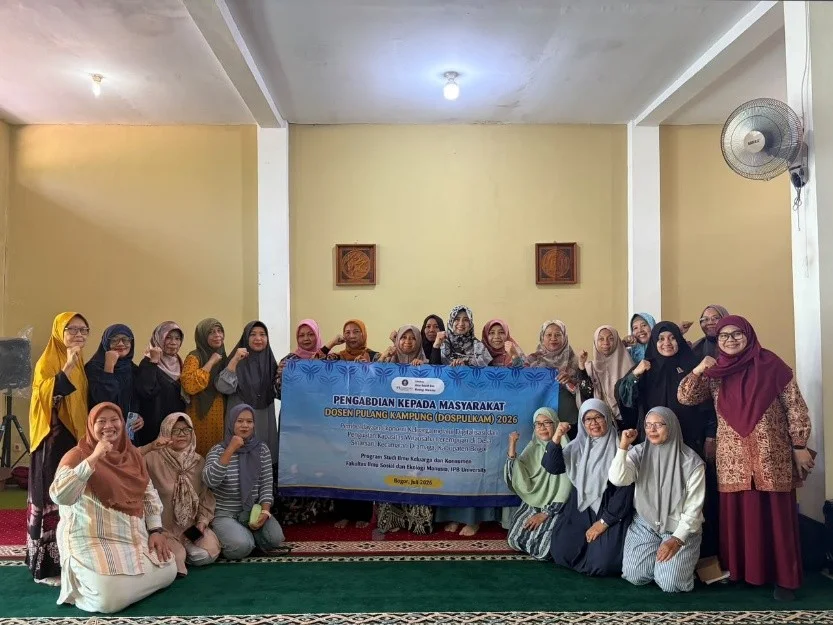
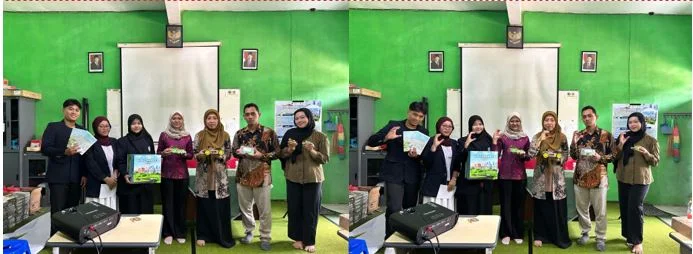
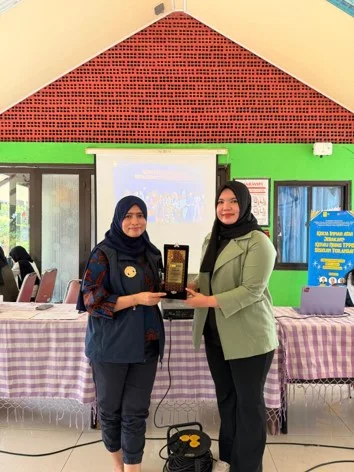
Throughout the month of July 2026, Sinarsari Village in the Dramaga District of Bogor Regency became a hub of transformation for dozens of housewives running micro-enterprises. Through the 'Dosen Pulang Kampung' (Faculty Returning to the Village) program, a team of lecturers from the Department of Family and Consumer Sciences (IKK), Division of Consumer Science and Family Economics (IKEK), Faculty of Human Ecology, IPB University, provided direct mentorship to 35 members of the Women Farmers Group and the Alam Sinarsari Housing Women's Community (KIPASS) to help their home-based businesses scale up.
The program, titled 'Family Economic Empowerment through Digitalization and Strengthening Women's Entrepreneurial Capacity in Sinarsari Village,' was designed not as a one-day ceremony, but as a series of six intensive training sessions held throughout July 2026 to ensure immediate and sustainable impact for the participants.
Scaling Up MSMEs
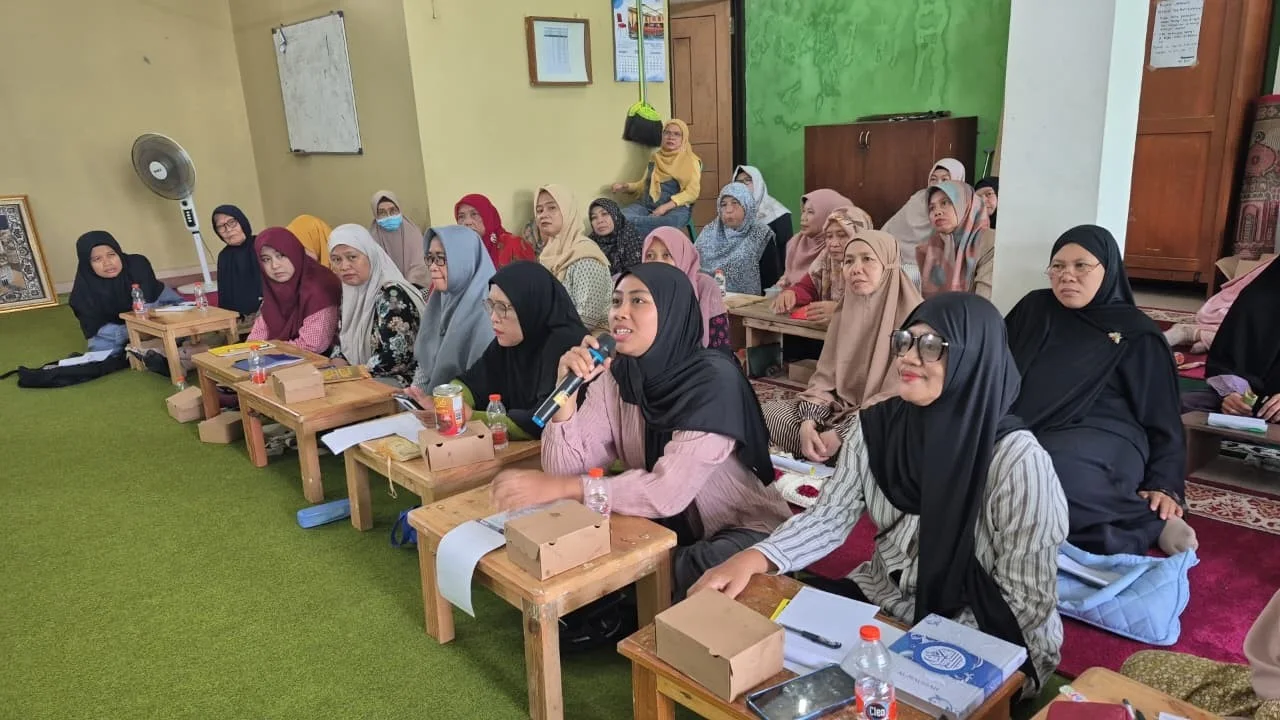
The training series was conducted consecutively, following the flow of the participants' business needs. It opened with digital marketing via social media and e-commerce led by Prof. Dr. Megawati Simanjuntak, S.P., M.Si. (Program Team Leader), followed by the development of a Business Model Canvas and business planning with Ismayanti Pratiwi, S.Si., M.Si., as well as branding and product packaging enhancement with Prof. Dr. Ir. Lilik Noor Yuliati, MFSA.
Subsequently, sessions covered business legality and consumer protection with Dr. Ir. Istiqlaliyah Muflikhati, M.Si., and business and family financial management with Dr. Irni Rahmayani Johan, S.P., M.M. The series concluded with a session on entrepreneurial mindset, role conflict, and stress management led by Agung Minto Wahyu, S.M., S.Psi., M.Si. All instructors are faculty members from the Department of Family and Consumer Sciences (IKK), Division of Consumer Science and Family Economics (IKEK), IPB University.
Each training session included pre-tests and post-tests to measure improvements in participant understanding, interspersed with discussions and hands-on practice—ranging from creating simple cash books to uploading the participants' first promotional content to social media—to ensure the knowledge gained could be applied immediately upon completion of the training.
Women as the Engine of Family Economy
"Women in Sinarsari Village already possess the greatest asset: the spirit to strive. What we did was simply equip them with tools such as how to record finances, how to draft a business plan, and how to sell in the digital world. If all of this is done in a short timeframe, we believe the behavioral change will be more pronounced" said Prof. Dr. Megawati Simanjuntak, S.P., M.Si., Head of the DOSPULKAM Program Team.
The participants' enthusiasm was evident in the positive feedback provided after the training. One participant remarked, "The material provided was easy to understand and relevant to the needs of business owners. I now have a better understanding of how to manage my business. I hope training like this continues to be held with more diverse and in-depth topics."
In general, participants expressed that the training provided tangible benefits in increasing their entrepreneurial knowledge and skills. Beyond broadening their horizons, the activity also sparked a spirit to continue developing their businesses and expanding their networks among fellow MSME players. The majority of participants hope that similar programs will be carried out sustainably with more diverse materials so that more business owners can benefit.
From a Small Village, Far-Reaching Impact
This program addresses more than just the needs of women MSME owners in Sinarsari Village. The activity aligns with four Sustainable Development Goals (SDGs) simultaneously: SDG 1 (No Poverty), SDG 5 (Gender Equality), SDG 8 (Decent Work and Economic Growth), and SDG 17 (Partnerships for the Goals). Furthermore, this activity serves as a concrete manifestation of the Tri Dharma (Three Pillars of Higher Education) while supporting the achievement of the university's Key Performance Indicators (IKU).
Moving forward, the sustainability of the program will be maintained through the formation of a participant communication group and continued collaboration with the village government, ensuring that the spirit of 'scaling up home-based businesses' in Sinarsari Village continues long after this training series concludes.



Comments 0
Write a Comment Share your response