

JurnalPost.com - Tuberculosis (TB) remains a serious health threat in Indonesia. During a TB talk show held as part of the 2026 National Health Day commemoration in Jakarta on Tuesday (17/11/2026), the WHO revealed that the incidence rate of TB in Indonesia reaches 371 per 100,000 population, equivalent to approximately 1 million new cases each year. Only about 80 percent of cases have been successfully identified and treated. The remaining 20 percent remain undetected, posing a risk of continued transmission within the community.
This data aligns with the Global Tuberculosis Report 2026 released by the WHO on 12 November 2026. Globally, approximately 10.6 million people fell ill with TB and 1.1 million people died in 2025. Of that total, 8.4 million cases were diagnosed, leaving approximately 2.2 million cases undiagnosed or unreported. Indonesia accounts for approximately 10 percent of global TB cases, ranking second after India.
Many Cases Remain Undetected
One reason for the high number of undetected cases is that not all patients experience symptoms. A national prevalence survey indicates that 35 percent of TB patients in Indonesia do not exhibit typical clinical symptoms. Even among those who do, complaints are often mild for months, leading to delayed examinations and ongoing transmission.
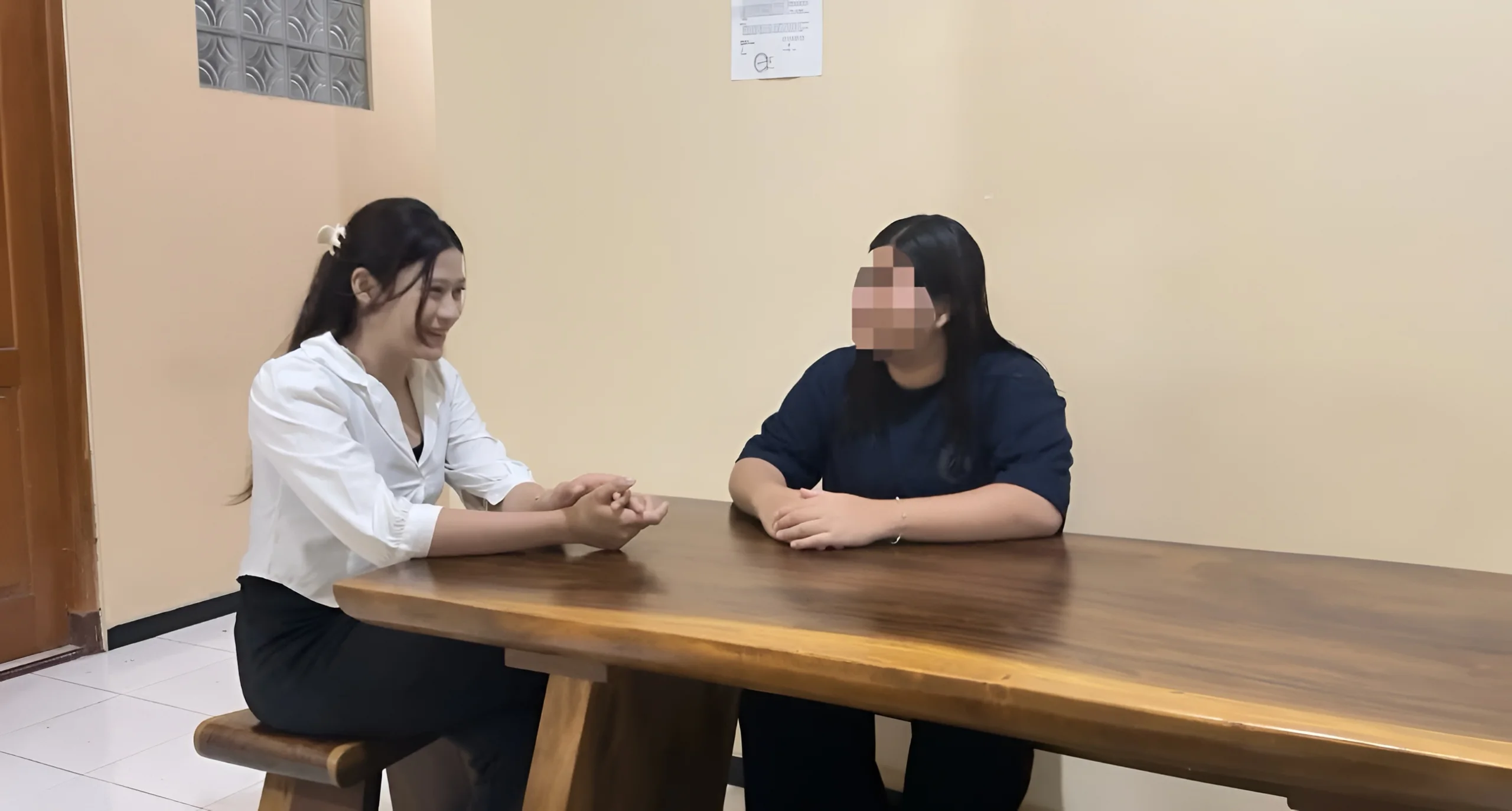
The impact is significant. Deputy Minister of Health Benjamin Paulus Octavianus stated that in Indonesia, two people are infected with TB every minute, and one person dies from the disease every four minutes.
Recognize the Symptoms
TB is caused by the bacterium Mycobacterium tuberculosis which most frequently attacks the lungs. This bacterium spreads through the air when a person with pulmonary TB coughs, sneezes, or spits. Symptoms to watch for include:
· Prolonged cough, sometimes accompanied by blood;
· Fever and night sweats;
· Unexplained weight loss;
· Fatigue and weakness;
· Chest pain.
The risk of TB is higher for smokers, individuals with poor nutrition, people with diabetes, and those with alcohol use disorders.
Curable with Complete Treatment
TB can be prevented and cured. Most patients recover with a combination of four medications taken for 6 months, or up to 4 months in certain cases. Medication must be taken daily as prescribed by a doctor. Stopping treatment early without medical advice is dangerous, as it can lead to drug-resistant bacteria.
Part of the SDGs Target
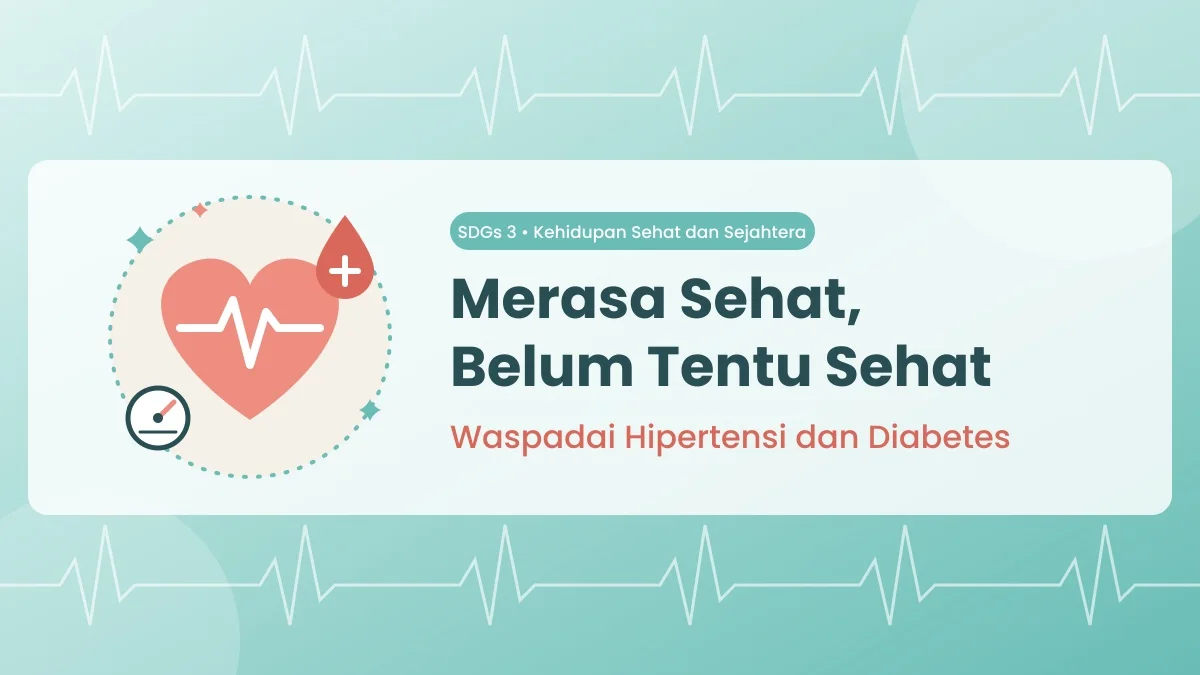
TB control is part of the Sustainable Development Goals (SDGs) number 3, which focuses on Good Health and Well-being. Target 3.3 of the SDGs aims to end the tuberculosis epidemic by 2030.
The Indonesian government supports this target through Presidential Regulation Number 67 of 2021 regarding Tuberculosis Control. The Ministry of Health aims to reduce TB cases by 50 percent by 2030 through strategies of early identification, improved case reporting, and comprehensive treatment. In 2026, the Ministry of Health also mapped close contact tracing for TB patients in 53,335 locations across 514 regencies/cities in 38 provinces.
The Role of the Community
Efforts to eliminate TB cannot be left to health workers alone. The community can play a role through the following steps:
1. Seek immediate medical attention at a community health center (puskesmas) or from a doctor if a cough persists.
2. Encourage all family members to get checked if someone is diagnosed with TB.
3. Support patients to complete their medication without stigma.
4. Practice cough etiquette, wear a mask when coughing, and maintain good air circulation at home.
5. Quit smoking, maintain good nutrition, and manage blood sugar levels for those with diabetes.
The sooner TB is detected, the faster the patient can be treated and the chain of transmission broken. Active community participation is key to a TB-free Indonesia by 2030.





Comments 0
Write a Comment Share your response