

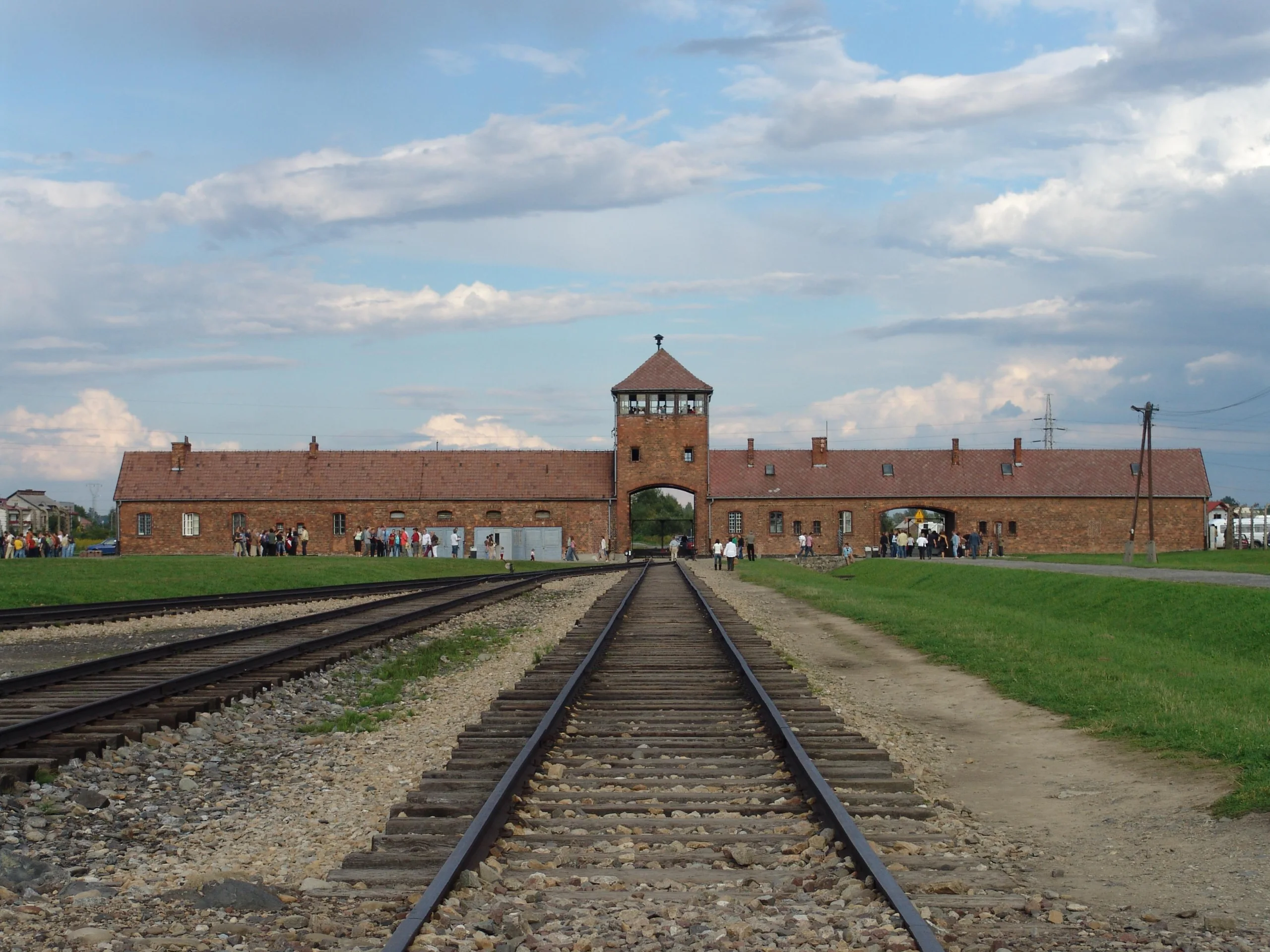
JurnalPost.com - Tourism is not always synonymous with natural beauty, entertainment, or pleasant experiences. In various parts of the world, there are tourist destinations that offer a different experience through stories of tragedy, war, disaster, and death. This phenomenon is known as dark tourism, a form of tourism associated with places or historical remnants of dark chapters in human life.
Although often considered eerie, dark tourism holds a unique appeal for some travelers. This interest is not always driven by a desire for thrills or tense experiences, but also by curiosity about history, a desire to understand past events, and a need to reflect on human suffering.
In tourism studies, dark tourism is also related to the terms thanatourism and dark heritage. The three have conceptual links, although they do not share identical definitions. Thanatourism emphasizes travel related to death, while dark heritage relates to historical legacies that contain traumatic experiences or dark events.
The study of dark tourism began to develop academically through the work of Malcolm Foley and John Lennon in the mid 1990s. Subsequently, Philip Stone (2006) introduced the concept of the Dark Tourism Spectrum , which explains that dark tourism destinations have varying characteristics, ranging from the darkest category (darkest) to the lightest category (lightest).
At the darkest end of the spectrum, destinations generally have a direct connection to actual death or suffering, strong historical authenticity, and an orientation toward education and commemoration. Conversely, destinations on the lighter end of the spectrum tend to present elements of tragedy through more planned, commercial, or entertainment-oriented presentations.
This concept shows that not all dark tourism destinations provide the same experience. Differences in location, management goals, methods of historical presentation, and visitor engagement can influence how a destination is perceived.
Key Elements in Dark Tourism
To understand the characteristics of a dark tourismdestination, there are several key elements that can be used as a basis for observation.
1. Historical Value
Historical value relates to the past events that form the basis for a destination's existence. These events can include tribal wars, religious conflicts, international disputes, humanitarian tragedies, or events arising from the social and cultural conditions of a specific era.
The presence of historical value provides context for visitors to understand the background of an event, including its impact on the lives of the community.
2. Authenticity
Authenticity refers to the degree of genuineness of a location, artifact, building, or relic associated with a historical event. Sites that retain physical evidence of past events often possess a unique power of interpretation because visitors can witness the traces of history firsthand.
However, historical experiences can also be conveyed through reconstructions, documentation, or artifacts moved to exhibition spaces.
3. Storytelling
Narrative is a crucial element in connecting visitors to historical events. Information can be conveyed through tour guides, museum panels, audiovisual documentation, archival collections, or other interpretive media.
Effective storytelling does not merely explain the chronology of events but also provides an understanding of the background, impact, and human values that can be learned.
4. Visitor Experience
Visitor experience relates to the emotional, intellectual, and reflective responses that emerge during a visit.
Some tourists may feel sadness or empathy when witnessing evidence of human suffering. Meanwhile, other visitors may gain new knowledge about history, culture, and social life in the past.
Thus, the dark tourism experience is not only oriented toward viewing tourist objects but can also serve as a means of learning and reflection.
Forms and Examples of Dark Tourism
1. War, Conflict, and Genocide Tourism
War tourism is one of the most well-known forms of dark tourism . Destinations in this category generally consist of former battlefields, memorial monuments, or museums that document conflict and human suffering.
In Indonesia, the Tugu Pahlawan and the Museum Sepuluh Nopember in Surabaya are examples of destinations that present the history of the struggle and the battle to defend independence.
Meanwhile, the War Remnants Museum in Vietnam presents documentation on the impact of war on society. Another example is Auschwitz-Birkenau in Poland, the former Nazi concentration and extermination camp complex, which is now a memorial site and a center for Holocaust history education.
Such destinations play an important role in maintaining the collective memory of society so that past humanitarian tragedies are not forgotten.
2. Authentic Site Tourism and Traveling Exhibitions
The development of dark tourism has also sparked discussion regarding the difference in experience between visiting the original location of a tragedy and witnessing its remnants through exhibitions elsewhere.
Direct visits to sites where violence or tragedy occurred are often associated with the characteristics of darker tourism, primarily because they have a strong geographical and historical connection to the event.
On the other hand, there is a form of experience that can be understood through a gray tourismapproach, where elements of tragedy are presented in exhibition spaces outside the original location. This term should be understood as one approach in the discussion of dark tourism, not as a single classification that applies to all destinations.
One example is the traveling exhibition Auschwitz. Not Long Ago. Not Far Away., which brings Holocaust artifacts and historical documentation to the public in various exhibition locations.
Through this exhibition, visitors can learn about the history of Auschwitz without having to travel directly to Oświęcim, Poland.
However, the difference in the place of presentation can affect the tourist experience. Visiting the original site allows one to feel the context of the historical space directly, whereas traveling exhibitions rely more on the curation of artifacts, documentation, and narrative to build understanding.
These differences also raise questions regarding authenticity, commercialization, and the ethics of presenting humanitarian tragedies in the tourism industry.
3. Prison and Correctional Heritage Tourism
Former correctional facilities that have been closed can also be developed into historical tourist destinations.
Through management as museums or cultural heritage areas, visitors can learn about the development of legal systems, punishment practices, the living conditions of prisoners, and changes in correctional approaches over time.
Some examples of destinations in this category are the Peterhead Prison Museum in Scotland, Alcatraz in the United States, Oxford Castle and Prison in the UK, and Boggo Road Gaol in Australia.
The appeal of prison tourism lies not only in the buildings and atmosphere but also in the stories of the human lives that were once contained within them.
Therefore, the presentation of prison history needs to balance educational interests, tourism experiences, and respect for the individuals associated with the place.
4. Cemetery and Death Site Tourism
Cemetery tourism is a form of travel related to the final resting place of an individual or a group of people.
These destinations can be the graves of historical figures, ancient tomb complexes, or cemetery areas that possess architectural, cultural, and historical value.
In Indonesia, the Sunan Ampel tomb area in Surabaya is an example of a destination that holds historical and cultural value and serves as a religious pilgrimage site.
However, not all visits to cemeteries are automatically classified as dark tourism. Religious pilgrimages have spiritual motivations that differ from tourism specifically focused on death, tragedy, or dark history.
In this context, the classification of cemetery tourism needs to consider visitor motivation, location characteristics, and the way history is conveyed.
5. Anatomy and Human Body Exhibitions
Another form often discussed in the study of dark tourism is anatomy exhibitions that display the human body as an object of learning.
One internationally known example is Body Worlds, an exhibition developed by Gunther von Hagens that displays human body specimens preserved using plastination techniques.
This exhibition aims to introduce the anatomical structure of the human body, organ functions, and various aspects of health through direct visual presentation.
Although it has educational value, the staging of human body exhibitions also raises discussions regarding ethics, donor consent, respect for the deceased, and the boundary between education and commercialization.
This shows that dark tourism is not always related to war sites or tragedies but can also intersect with how society understands death and the human body.
Dark Tourism between Education and Commercialization
The existence of various forms of dark tourism shows that the relationship between tourism, history, and death is a complex phenomenon.
On one hand, the development of dark tourism destinations can provide educational benefits, increase historical awareness, and maintain public memory of important events. On the other hand, management that overly emphasizes commercial interests has the potential to diminish historical meaning and sensitivity toward the suffering of victims.
Through the concept of the Dark Tourism Spectrum, destination managers and tourists can understand that every location has different characteristics, goals, and levels of interpretation.
Authentic historical sites, memorial museums, former prisons, historical cemeteries, and traveling commercial exhibitions cannot be judged solely based on the tourist appeal they offer. Aspects of authenticity, depth of narrative, respect for victims, and learning experiences must also be considered.
Ultimately, dark tourism is not just a journey to a place considered eerie or having a dark story. More than that, this tourism can be a space to understand the journey of human history, remember those who were part of past events, and draw lessons for the life of the present and the future.





Comments 0
Write a Comment Share your response