

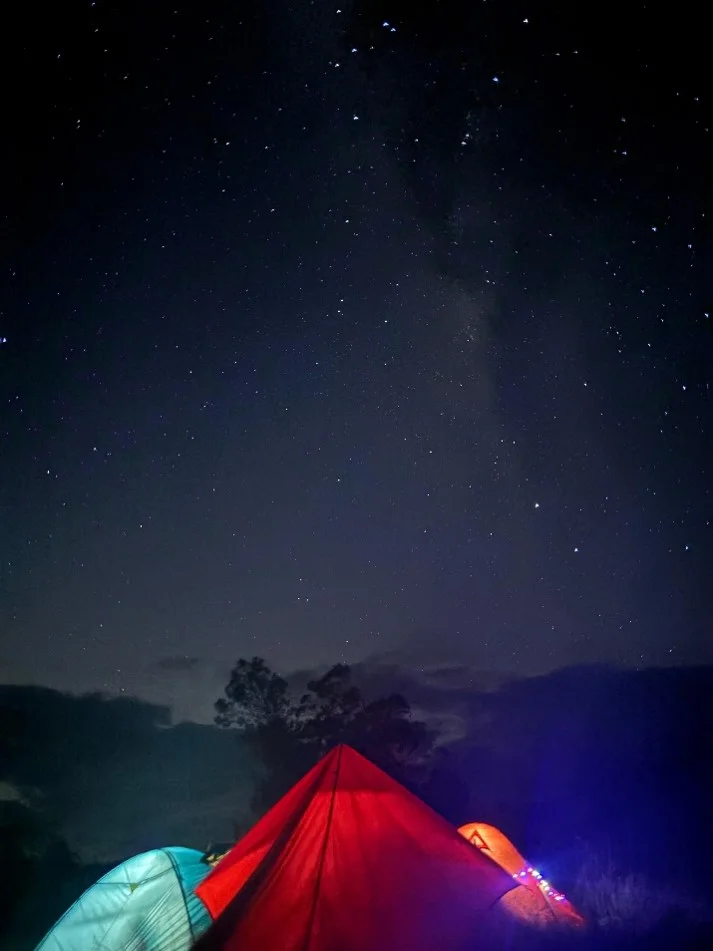
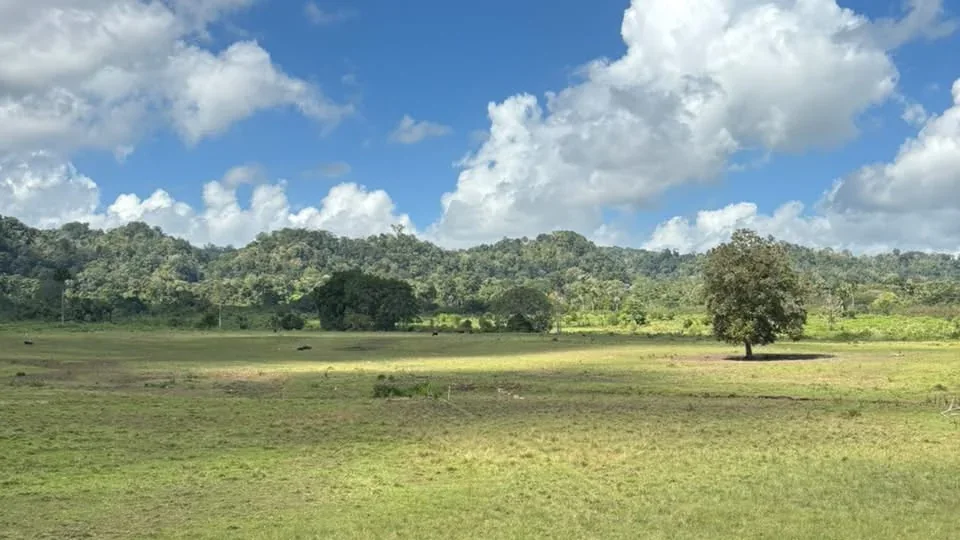
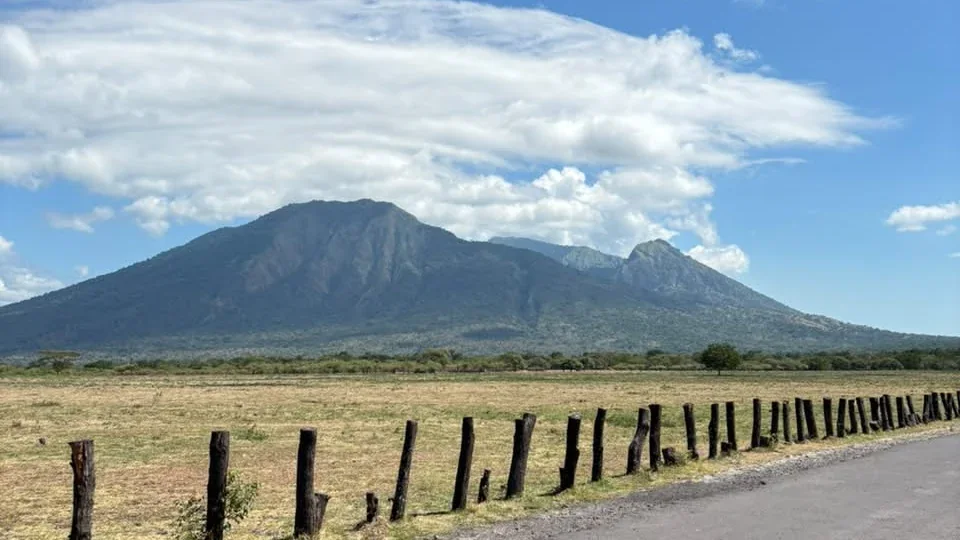
BONDOWOSO, JurnalPost.com — When discussing Kawah Wurung, most travelers likely envision rolling green hills, vast savannas, and soothing natural panoramas. This tourist area in Bondowoso Regency, East Java, is indeed known for its captivating landscape, especially when enjoyed from morning until afternoon.
However, have we ever imagined the experience of visiting Kawah Wurung after the sun has set?
Beyond the beauty of its hills, this area holds another intriguing opportunity for development: night sky observation or stargazing. This activity could serve as an alternative tourism development that offers not only natural beauty but also an educational experience to learn about astronomical phenomena.
As a natural tourist destination, Kawah Wurung has the potential to provide a different experience. Travelers are not only invited to enjoy the landscape spread out before them but also to look up at the sky to discover a much wider universe.
When the Night Sky Becomes a Tourist Attraction
Kawah Wurung is located in a mountainous area at an altitude of approximately 1,500 meters above sea level. This geographical condition is one of the interesting characteristics to study for the development of night sky observation-based tourism.
One activity that could be offered is camping combined with stargazing. In an open natural setting, visitors have the opportunity to identify constellations, study celestial objects, and even try their hand at astrophotography. astrophotography.
This kind of experience holds more value than tourism activities oriented solely toward sightseeing.
Travelers do not just arrive, take photos, and leave the destination. They also gain the opportunity to learn about the environment, understand natural phenomena, and build a closer connection with open spaces.
For the younger generation, astronomy tourism can be an engaging learning tool because it connects scientific knowledge with direct experience in nature.
Developing such activities also has the potential to extend the duration of tourist visits. If visitors previously only enjoyed Kawah Wurung during the day, stargazing tourism could open up opportunities for nighttime activities through planned packages that meet safety requirements.
Learning from Global Astronomy Tourism Destinations
The idea of making the night sky a tourist attraction is not actually new.
A number of destinations in various countries have proven that astronomical observation can be developed into a tourism product with economic, educational, and conservation value.
One of them is the Aoraki Mackenzie International Dark Sky Reserve in New Zealand. This area is known as a night sky observation destination with various astronomy tourism activities, ranging from stargazing to educational experiences related to observatories.
Another example is found on the island of La Palma in the Canary Islands, Spain. The area is known for its great attention to protecting the quality of the night sky, including efforts to control light pollution.
Meanwhile, the Atacama Desert in Chile utilizes its geographical conditions, such as high altitude, relatively dry air, and sky conditions that support astronomical observation.
These three examples show that tourism potential does not always have to depend on building new physical attractions.
The existing natural conditions can actually become an advantage if managed with the right knowledge, planning, and development strategies.
In the context of Kawah Wurung, these international experiences can serve as inspiration to develop more diverse tourism products without losing the natural character of the destination.
Great Potential Still Requires Study
Although it offers interesting opportunities, the development of astronomy tourism at Kawah Wurung cannot be based solely on the beauty of the landscape or the geographical altitude of the area.
Locations at high altitudes do not necessarily have ideal conditions for stargazing throughout the year.
There are a number of important factors that need to be considered, such as light pollution levels, cloud cover, air humidity, atmospheric conditions, and the best times for observation.
Studies on these factors are necessary so that the development of astronomy tourism is not just an attractive promotion, but truly provides an experience that meets the expectations of tourists.
In addition to natural conditions, the readiness of facilities is an equally important aspect.
The availability of safe camping areas, sanitation facilities, access to the location, emergency management, and guides who understand astronomical activities need to be part of the planning.
Equipment such as telescopes and observation aids can also be considered to enrich the visitor experience.
However, before night tourism products are marketed, managers need to ensure the location's compliance with regional regulations, the safety of nighttime activities, and the readiness of support services.
With this approach, the development of astronomy tourism is not only oriented toward the number of visits but also the quality of the experience and the safety of the tourists.
Preserving Dark Skies, Protecting Nature
The development of stargazing must also go hand-in-hand with the principles of sustainable tourism.
One of the main challenges of stargazing tourism is light pollution. The use of excessive lighting, especially lighting directed toward the sky, can reduce the quality of observations and diminish the appeal of astronomy tourism.
Therefore, the concept of dark sky tourism is important to introduce from the early stages of development.
This concept emphasizes the importance of maintaining night sky conditions through lighting regulations, environmental protection, and responsible tourism activities.
Beyond the issue of light, waste management and camping activities also require serious attention.
Uncontrolled campfires, damage to vegetation, and increased tourist waste can put pressure on the area's ecosystem.
We must ensure that efforts to introduce new tourist attractions do not sacrifice the environmental quality that serves as the destination's primary asset.
Local Communities Must Be Part of the Development
Astronomy tourism opportunities can also provide economic benefits to the community around Kawah Wurung.
Developing stargazing packages has the potential to open business opportunities through camping equipment rentals, food provision, guide services, local transportation, and educational tourism services.
Communities should not just be spectators when destinations in their region develop.
The involvement of residents in tourism planning and management can help create a more equitable distribution of economic benefits.
Collaboration between local governments, destination managers, academics, astronomy communities, tourism operators, and local communities can also be an important foundation for designing programs that suit the character of the area.
Thus, the development of astronomy tourism is not just about increasing tourist visits, but also about strengthening community capacity and the sustainability of the destination.
Discovering Beauty That Has Been Overlooked
Kawah Wurung has the opportunity to offer a broader tourism experience than just enjoying the expanse of green hills.
Through proper management, the night sky can become part of the area's tourism identity, while simultaneously opening up space for learning about astronomy and the importance of protecting the environment.
However, this opportunity must still be viewed realistically. Its success depends on studies of sky conditions, facility readiness, safety, community involvement, and a commitment to conservation.
The development of tourist destinations does not always have to start by building new attractions or drastically changing the landscape.
Sometimes, innovation comes through new ways of looking at potential that is already available.
Because perhaps all this time we have been too busy admiring the beauty of Kawah Wurung spread out beneath our feet, forgetting that there is a vast universe above our heads that is also worth exploring.






Comments 0
Write a Comment Share your response