

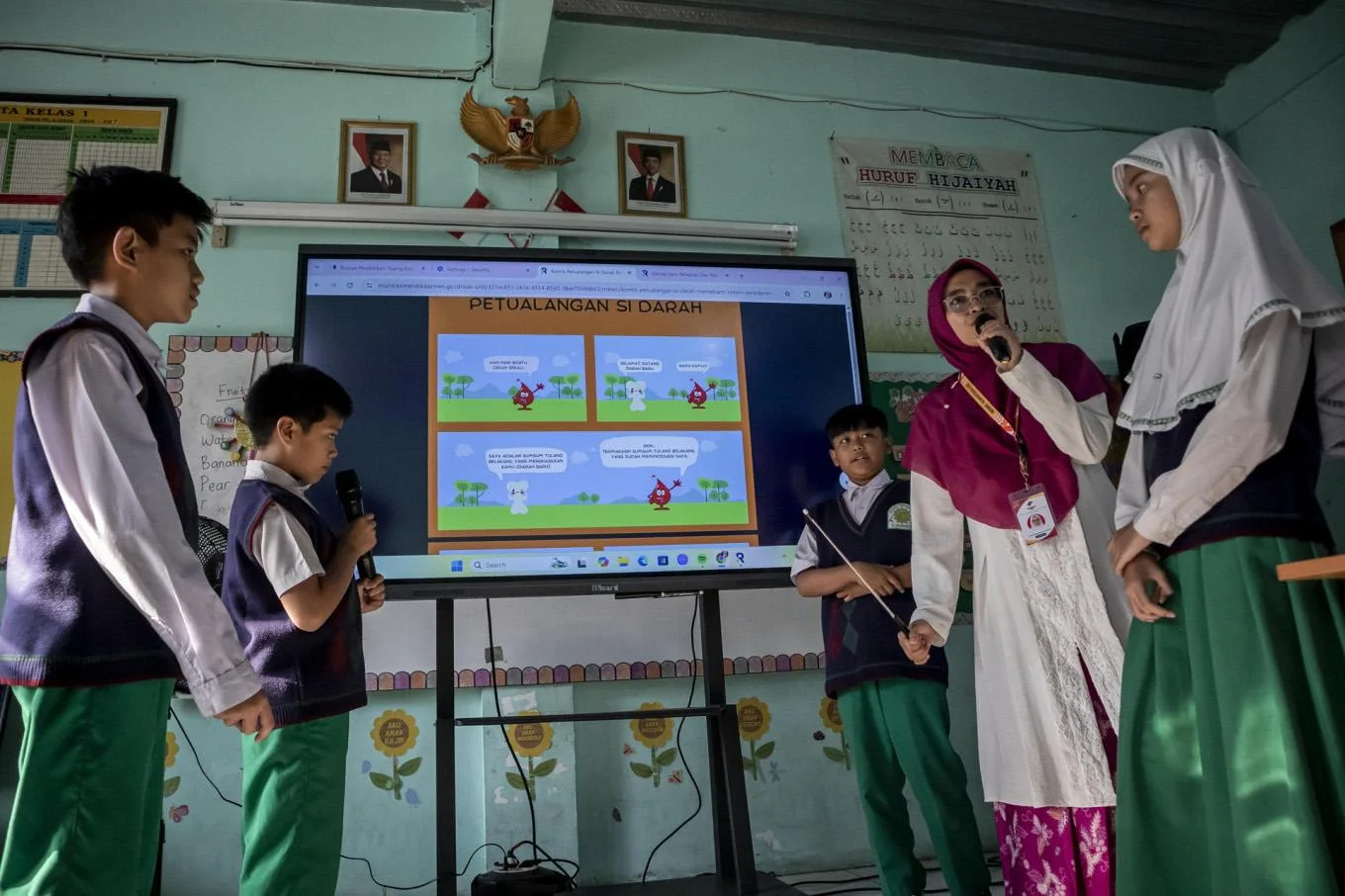
JurnalPost.com - There is one school-era experience that may still linger in the memories of some parents and educators: repeating a grade. In the past, being held back was often seen as a natural consequence for students who received low grades or failed to meet learning standards. In fact, the threat of retention was sometimes used as a disciplinary tool to encourage students to study harder.
Now, as the world of education moves toward more student-centered learning, the discourse on restoring strictness to grade promotion has resurfaced. The government is reportedly planning to strengthen policies so that students are no longer automatically promoted, with implementation targeted for the 2027/2028 academic year.
This policy proposal has naturally invited diverse responses. Some see it as a step toward restoring seriousness in learning. Others view it as an effort to improve the quality of education by ensuring every student masters the necessary competencies before advancing to the next level.
However, the fundamental question is whether repeating a year of schooling is truly a panacea for the problem of low learning outcomes, or are we simply reviving an old approach in the hope of achieving different results?
Grade Retention Is More Than Just a Question of Promotion
In principle, there is nothing wrong with the demand that students master learning competencies. Education should not merely be about chasing grade promotion, graduation, or numbers on a report card. Mastery of literacy, numeracy, character, and critical thinking skills are essential parts of educational success.
The problem is, when a student has not yet achieved the expected competencies, should the entire responsibility be placed on them?
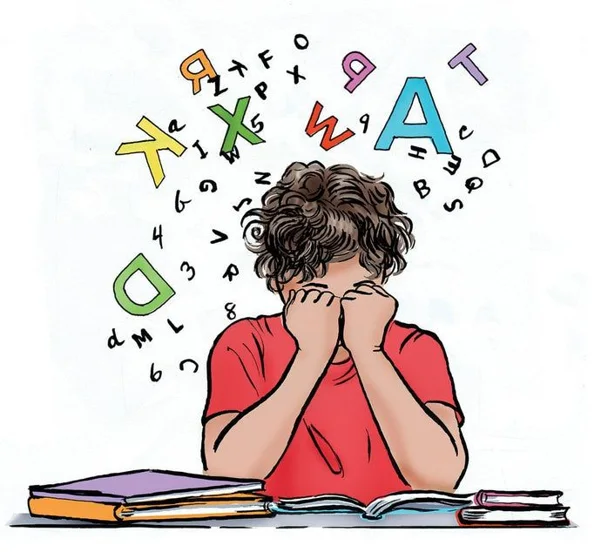
A child who cannot read fluently, for example, is not always lazy. They may simply need more time to learn, different teaching methods, individual guidance, or special attention due to their personal circumstances and family background.
The same applies to students who struggle with mathematics. Such deficits may stem from foundational material not understood in previous grades. If these difficulties are not identified early, the issues will persist into subsequent levels.
This is where education must distinguish between the failure to achieve a competency and the failure of the student as an individual.
Grade retention may be an option in certain conditions. However, making it the primary answer to low learning outcomes risks oversimplifying educational problems that are, in reality, far more complex.
Data Provides a Warning, Not Just Justification
The results of the Programme for International Student Assessment (PISA) 2022 published by the Organisation for Economic Co-operation and Development (OECD) show that approximately 12 percent of Indonesian students aged 15 reported having repeated a grade at least once since entering primary education. This figure is higher than the OECD country average, which stands at 9 percent.
This data is worth examining closely. If grade retention is already part of the educational experience for some students, does the practice automatically result in better competency mastery?
The OECD findings in the publication Education at a Glance 2025 actually warn that grade repetition at levels below upper secondary education tends to be associated with negative impacts. Students who repeat a grade are at risk of declining achievement, developing less positive attitudes toward school, and facing a higher likelihood of dropping out of education.
Research on educational trajectories in Indonesia using data from the Indonesia Family Life Survey also found a correlation between the experience of repeating a grade in primary school and a lower probability of students continuing their education to the junior high school level.
This means that grade retention cannot be viewed as a simple administrative action. There are academic, social, and educational continuity consequences that must be taken into account.
This data does not mean that grade retention policies should be abolished entirely. Instead, these findings serve as a reminder that every decision to hold a student back must be based on careful consideration, not solely on low report card grades.
Do Not Measure a Child's Failure Without Evaluating the Learning Process
There is an issue often overlooked in discussions about grade retention: the readiness of schools and the quality of the learning process.
When a student fails to meet learning targets, schools must first ask reflective questions. Are the teaching methods appropriate for the student's needs? Have teachers conducted regular assessments? Has guidance been provided to students experiencing difficulties? Does the learning environment support the development of every child?
These questions are important because educational success is determined not only by a student's ability to receive material but also by the teacher's ability to deliver material according to the students' needs.
Not all children learn at the same pace. Some children understand explanations quickly through images, others need hands-on practice, and some require repetition multiple times.
In the context of inclusive classrooms, this issue is even more complex. Students with diverse learning needs require strategies, approaches, and forms of support that are not always the same. Setting a standard for results without considering these differences risks creating injustice.
Therefore, a policy of non-automatic promotion should go hand-in-hand with strengthening teacher competencies, diagnostic assessments, differentiated instruction, and the availability of support services.
Schools should not be asked to produce higher-quality graduates without being given adequate support to improve the quality of their instruction.
Restoring Strictness, Not Reviving Fear
One of the reasons often cited in support of grade retention policies is the need to rebuild discipline and learning responsibility.
This view is understandable. Students do need to learn that every process has targets and every effort requires responsibility. However, discipline does not have to be built through the fear of academic failure.
Schools should be places that encourage children to be brave enough to learn, try, make mistakes, and improve themselves. If grade retention is understood only as a threat, students may become more preoccupied with chasing grades than understanding knowledge.
We must also be careful that this policy does not become a tool to blame children from underprivileged families, children with learning disabilities, or those who do not receive adequate educational support at home.
Educational justice does not mean all children must achieve the same results at the same time. Justice means every child receives the opportunities, support, and learning services appropriate to their needs to reach their best competency.
Thus, strictness in education must go hand-in-hand with care. Learning standards remain necessary, but the way we help students reach those standards must be humane and equitable.
The Year 2027 Must Be a Momentum for Reform, Not Just a Change of Rules
If the non-automatic promotion policy is truly implemented in the 2027/2028 academic year, the government and all educational units must ensure that these changes do not stop at administrative rules.
There are several concrete steps that need to be prepared.
First, strengthen diagnostic assessments from the beginning of the school year. Teachers must be able to recognize the initial abilities, difficulties, and learning needs of every student. This way, children who are falling behind can immediately receive help before their problems grow larger.
Second, provide planned guidance and remedial programs. It is not enough to simply ask students who have not reached competency to repeat the material. Schools need to provide additional instruction, peer tutoring, enrichment, and different teaching strategies according to needs.
Third, improve teacher competency. The government needs to strengthen training on assessments, differentiated instruction, classroom management, and inclusive education. Teachers should not be given the responsibility of deciding whether a student is promoted or not without being equipped with the skills to handle learning difficulties.
Fourth, establish transparent and objective decision-making mechanisms. Decisions on grade retention must go through comprehensive consideration involving teachers, principals, parents, and relevant parties. Assessment should not rely solely on one exam result or one subject.
Fifth, strengthen the role of the principal as a learning leader. Principals must ensure that every student experiencing difficulties receives appropriate intervention. Evaluation should not only be conducted on student grades but also on the quality of the learning process and the support provided by teachers.
Sixth, ensure inclusive and non-discriminatory policies. The government needs to pay attention to disparities in facilities, teacher numbers, access to support, and the conditions of schools in urban, rural, and underdeveloped areas. The same policy should not be applied to schools with vastly different levels of readiness without commensurate support.
Do Not Let Children Repeat a Year While Schools Repeat Mistakes
Education does require standards, strictness, and responsibility. Allowing students to advance without regard for their competency mastery is not the right choice. However, holding a child back in the same grade without addressing the causes of their lag is not a wise solution.
The 2027 grade retention policy should not be a nostalgia for the education system of the past. This policy must be a momentum to build a learning system that is more responsible, measurable, and focused on the development of every student.
We need to change our perspective. When a child has not succeeded in learning, the school's task is not just to determine if they deserve to be promoted, but to discover why they have not succeeded and how to help them.
Do not let children be asked to repeat a year of learning while schools never seriously evaluate their teaching methods. Do not let students continue to be blamed for low achievement while the issue of learning quality is never touched.
Ultimately, the measure of success for an educational policy is not how many students are held back, but how many children are successfully helped to develop and master the required competencies.
Because education is not about making children afraid of being left behind, but about ensuring no child is left behind.







Comments 0
Write a Comment Share your response