

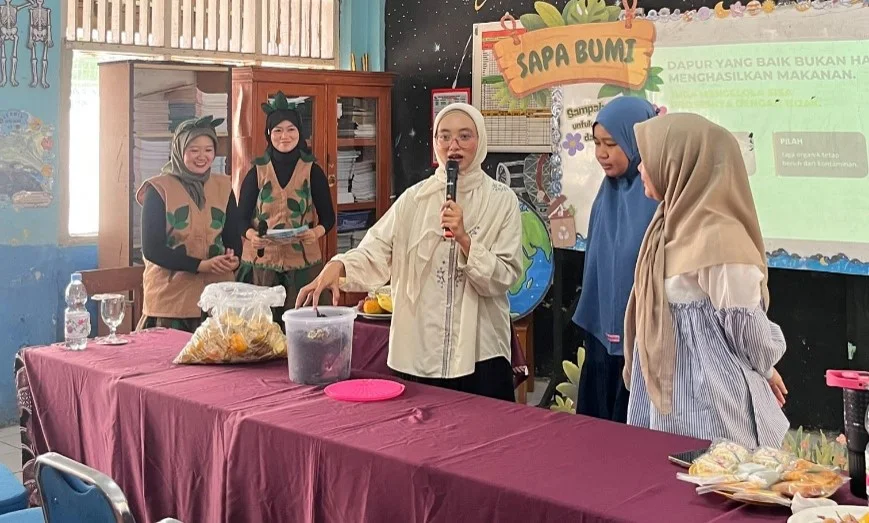
PURWAKARTA, JurnalPost.com – Students from the Primary School Teacher Education (PGSD) program at the Universitas Pendidikan Indonesia (UPI) Purwakarta Campus have introduced an innovative organic waste management initiative through a community service program titled SAPA BUMI at SDN 6 Nagrikaler, Purwakarta Regency, West Java.
The SAPA BUMI program, an acronym for Organic Waste for Utilization from the Earth, focuses on processing organic waste into compost. This activity also serves as an effort to support the implementation of the Sustainable Development Goals Sustainable Development Goals (SDGs) within the primary education environment.
The initiative was prompted by the importance of waste management in schools, particularly following the implementation of the Free Nutritious Meal (MBG) program. Food scraps, fruit peels, and other organic waste can cause hygiene issues if not managed properly.
Through SAPA BUMI, students aim to introduce more beneficial ways to process organic waste while building awareness among the school community regarding the importance of environmental preservation.
Starting with the Construction of Brick Composting Facilities
The implementation of the SAPA BUMI program was carried out in two interrelated stages.
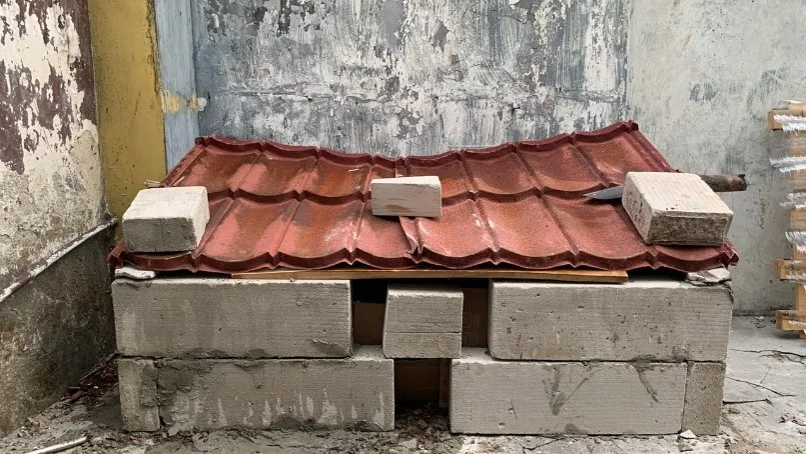
The first stage took place on 21 October 2026 with the construction of a composting facility using perforated bricks at SDN 6 Nagrikaler.
The facility was designed as a site for processing organic waste so that the decomposition process can occur in a more structured manner.
The use of perforated bricks serves as an alternative composting medium that can be utilized to manage organic materials from school activities.
The presence of this facility is expected to help the school community get into the habit of sorting waste at the source and then processing suitable organic materials into compost.
Waste Management Workshop Attended by 72 Participants
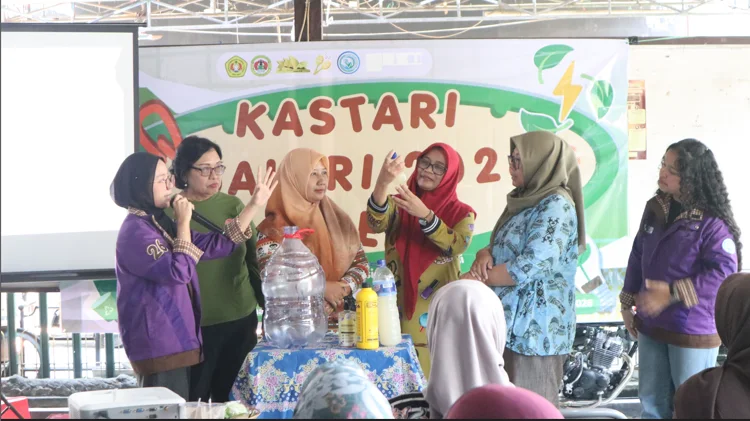
Following the construction of the composting facility, the activity continued with an organic waste management workshop on 6 November 2026.
The workshop involved 72 participants, consisting of 45 parents and class coordinators, as well as 27 teachers from SDN 6 Nagrikaler.
The involvement of teachers and parents is a crucial part of building cooperation to create a clean, healthy, and sustainable school environment.
During this activity, participants received information on the importance of waste management, an introduction to types of waste, and techniques for sorting organic and inorganic waste.
The material then continued with an introduction to composting methods, including the use of fruit peels, suitable organic food scraps, and dry leaves as base materials for making compost.
Participants were also introduced to the process of treating organic materials so that they do not just end up as waste, but can be reused to support plant maintenance.
Through an approach of education and practice, the community service team hopes that the knowledge gained by participants can be applied independently, both in the school environment and at home.
Students Encourage Early Waste Sorting Habits
SAPA BUMI Project Manager, Nurul Hasna Haifa, explained that this activity aims not only to provide information on waste management but also to encourage a change in the habits of the school community.
According to her, food scraps from the MBG program and dry leaves available in the school environment can be sources of organic material for composting activities.
“Through the SAPA BUMI activity, we want to increase the understanding and concern of the school community regarding organic waste management, especially food scraps from the MBG program and dry leaves that can be processed into compost. We hope this activity does not stop at socialization but becomes the first step in building a habit of sorting and processing waste sustainably through cooperation between the school, parents, and students,” said Nurul Hasna Haifa.
The program also emphasizes that environmental management cannot be done by one party alone. The support of teachers, parents, and students is needed so that the habit of sorting waste can be applied consistently.
School Appreciates the Implementation of SAPA BUMI
The Coordinating Teacher for SDN 6 Nagrikaler, Ade Kurnia, S.Pd., welcomed the activities carried out by the UPI Purwakarta PGSD students.
He assessed that the program is relevant to the school's needs in increasing awareness regarding cleanliness and environmental sustainability.
“The SAPA BUMI socialization provides benefits for the school environment because it addresses the theme of organic waste management, which is directly related to cleanliness and environmental sustainability. The involvement of parents is also a positive value because efforts to maintain the school environment require support and participation from various parties,” said Ade Kurnia.
Positive responses also came from the parents who attended the workshop.
One parent representative admitted to gaining new knowledge regarding the utilization of organic waste, specifically its processing into compost.
“The SAPA BUMI activity went well and was very useful for us as parents. Previously, we usually just burned organic waste or used it as animal feed. Through this activity, we learned that organic waste such as food scraps, fruit peels, and dry leaves can actually be processed into compost that benefits the environment. This knowledge is a new experience for us and is expected to be applied in daily life, both at home and in the school environment,” said the parent representative.
This experience shows the importance of environmental education that involves the family, so that the habit of managing waste does not only take place at school but can also be applied at home.
Faculty Advisor Hopes for a Sustainable Program
Field Supervisor, Tiara Yogiarni, M.Pd., also expressed her appreciation to SDN 6 Nagrikaler for the support provided during the implementation of the community service program.
“We express our gratitude and appreciation to SDN 6 Nagrikaler for assisting the students in organizing this community service activity. We hope the SAPA BUMI program can provide benefits to the school, especially in supporting organic waste management and increasing the school community's concern for the environment,” said Tiara Yogiarni.
Meanwhile, the Principal of SDN 6 Nagrikaler, Hj. Tintin Rosmayanti, S.Pd., who opened the socialization event, hopes that the program can continue to be implemented even after the students' service period has ended.
“I hope this organic waste management activity through the SAPA BUMI program can continue to run even after the students have completed their service program at the school. This activity is a positive step in creating a clean school environment. Therefore, the habit of sorting and processing organic waste is expected to continue to be applied by the entire school community,” said Hj. Tintin Rosmayanti.
This hope is in line with the main goal of SAPA BUMI, which is to build waste management habits that can be continuously carried out by the school community independently.
Supporting the Achievement of Four SDGs
In addition to providing practical education, SAPA BUMI is also a form of student contribution toward the achievement of the Sustainable Development Goals.
This program is primarily related to SDGs 12, Responsible Consumption and Production, specifically target 12.5 regarding the reduction of waste generation through prevention, reduction, recycling, and reuse.
Through sorting and processing organic waste into compost, the school community is encouraged to reuse materials that were previously considered waste.
This activity also supports SDGs 4, Quality Education, by providing knowledge and skills regarding environmental management to teachers and parents.
Furthermore, SDGs 11, Sustainable Cities and Communities, is reflected through efforts to create a cleaner school environment and support waste management.
Meanwhile, SDGs 17, Partnerships for the Goals, is realized through collaboration between students, faculty advisors, the school, teachers, and parents.
Student and School Collaboration for a Sustainable Environment
The SAPA BUMI program was carried out by a community service team of PGSD UPI Purwakarta Campus students led by Nurul Hasna Haifa.
The team members involved include Thalytha Majma Tsaqifa Taftazani, Mochammad Fadhlan Dzikrulloh, Sheva Febriant Zahra Khoerunnisa, Nurhayati, Nazwa Shafira, Nurbaiti Syifa Widaningsih, and Sherina Herdiana Putri.
All team members played a role in the implementation and mentoring of activities, ranging from providing composting facilities to educating the school community.
This collaboration is one step toward introducing organic waste management practices that can be applied in daily life.
Currently, the composting process at SDN 6 Nagrikaler is still ongoing. The resulting compost is expected to be used for plant maintenance and to support the greening of the school environment.
Through the perforated brick facility and the active involvement of the school community, SAPA BUMI is expected not to stop as a temporary service activity, but to develop into a positive habit of sustainable waste management.


Comments 0
Write a Comment Share your response