

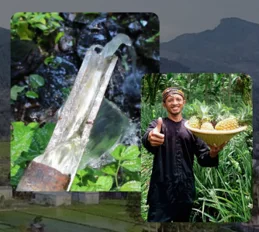
PEMALANG, JurnalPost.com – The natural and cultural wealth of Bulakan Village, Belik District, Pemalang Regency, Central Java, has inspired a Community Service (PkM) team from the Visual Communication Design (DKV) study program at the Universitas Pendidikan Indonesia (UPI) to develop a new visual identity for the Bulakan Tourism Village.
Through a program supported by a UPI grant, the team, led by Arief Johari, is working to introduce a visual communication system that strengthens the destination's character while conveying messages of environmental conservation to both residents and visitors.
This development goes beyond creating logos or promotional materials. The team is also designing various information media intended to help tourists better understand the natural potential, history, and culture of Bulakan Village.
Highlighting the Natural and Cultural Wealth of Bulakan Village
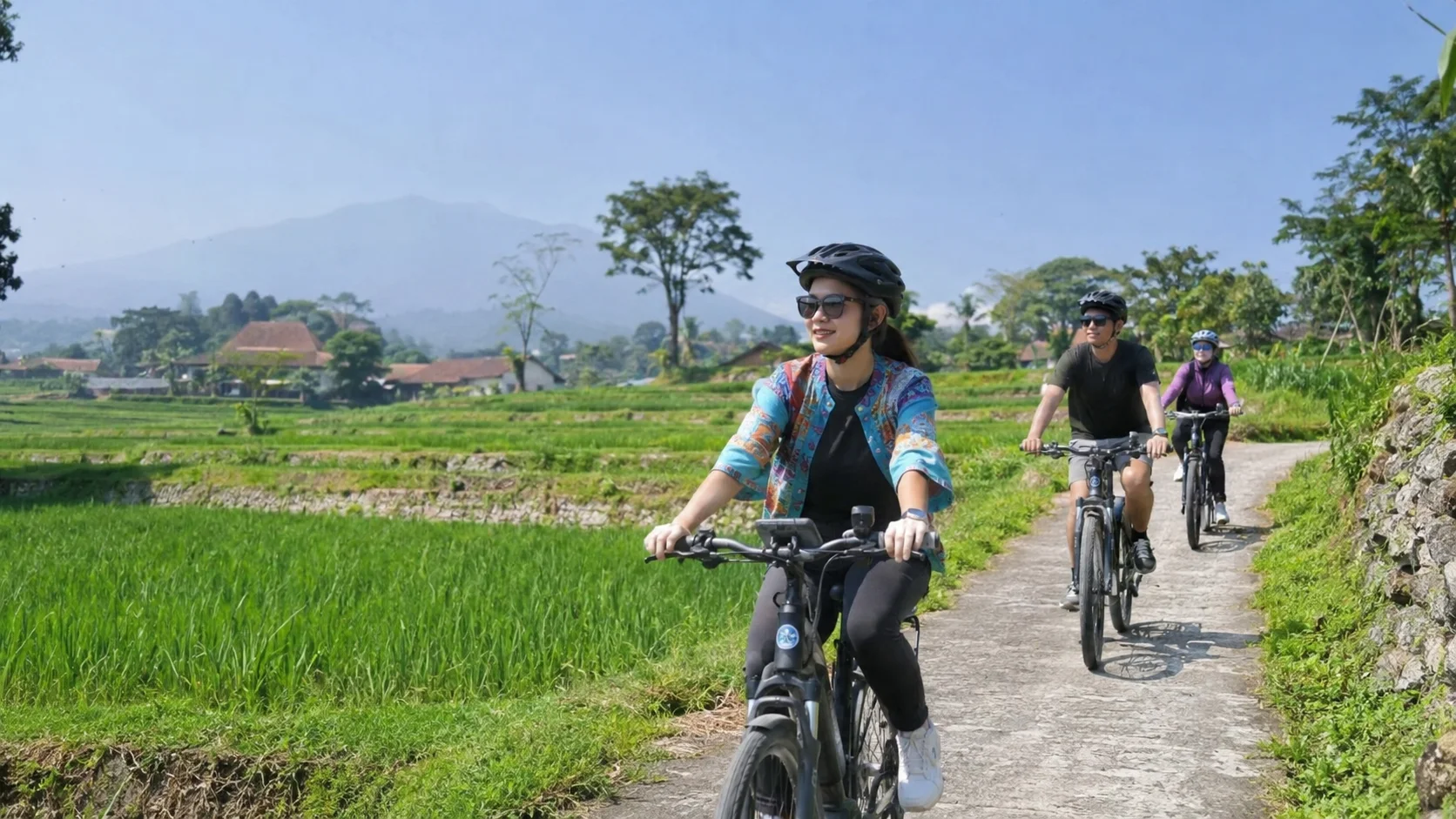
Bulakan Village holds diverse potential that can be developed into nature- and culture-based tourism attractions.
The area features a village forest that serves as a habitat for long-tailed macaques, natural springs, and honey pineapple plantations, which are among the local agricultural treasures.
In addition to its natural potential, Bulakan Village possesses cultural heritage in the form of ancestral graves and various traditional arts, such as Sintren, Lais, Kuntulan, and the Honey Pineapple Dance.
This diversity serves as a vital asset to strengthen the character of Bulakan Village as a tourist destination that offers not only natural beauty but also cultural experiences for visitors.
Interestingly, the name Bulakan is associated with the presence of water springs emerging from the ground. This historical connection makes water an essential element of the village's identity.
This potential has been translated by the DKV UPI team into visual designs to make the character of Bulakan Tourism Village more recognizable and memorable.

Addressing the Challenges of Destination Visual Identity
Despite its diverse potential, Bulakan Tourism Village still faces challenges in building integrated visual communication.
Based on the team's observations, the previously used logo did not fully represent the village's character. Furthermore, the use of colors, visual elements, and promotional media lacked a unified identity.
The availability of information signs and directional signage for the tourism area was also identified as a priority in developing the destination's communication system.
Another aspect deemed necessary to strengthen is the delivery of environmental conservation messages, given that Bulakan Village possesses a rich ecosystem that requires sustainable management.
To address these needs, the team applied an Eco-Cultural Destination Brandingapproach, a strategy for developing destination identity that integrates elements of ecology, culture, local character, and education.
In the design process, the team utilized Design-Based Research and Design Thinkingmethods.
The activity stages included field observations, interviews, problem identification, design concept development, and prototype discussions with stakeholders.
This approach was taken to ensure that the designed visual identity is not only aesthetically appealing but also relevant to the conditions and needs of Bulakan Tourism Village.
New Logo Inspired by Springs, Forests, and Honey Pineapples
One of the primary outcomes of this community service activity is the development of a new logo for Bulakan Tourism Village.
The logo incorporates several elements that represent the village's character, ranging from springs, foliage, and river flows to forest areas and honey pineapples.
Each visual element was chosen to depict the relationship between natural wealth, community activities, and the local identity of Bulakan Village.
The team also developed color schemes, typography, and supporting graphic elements or supergraphics to build visual consistency across various communication media.
Beyond the logo, the team also designed several facilities and visual communication materials, including area signage (signage), directional signs (direction sign), a welcome gate (welcome gate), information boards, posters, social media content, and souvenir designs.
The presence of these media is expected to make it easier for tourists to obtain information while providing a more structured visiting experience.
Promoting Sustainable Tourism through Communication Design
The development of the Bulakan Tourism Village visual identity will continue to the stage of compiling a Graphic Standard Manual (GSM).
This document will serve as a guide for the use of the logo, colors, typography, and other visual elements so they can be applied consistently by the tourism village management.
The DKV UPI team also plans to provide guidance on the implementation of visual communication media in the field as part of the program's sustainability.
Through this activity, visual communication design is expected to function not only as a tool for introducing the destination but also as a medium to foster awareness among residents and tourists regarding the importance of environmental preservation.
With a stronger identity and targeted communication, Bulakan Tourism Village is expected to increase its appeal as an ecology- and culture-based destination.
This program also demonstrates how universities can contribute to village potential development through scientific approaches tailored to community needs.
Contributor: Community Service Team, Visual Communication Design Study Program, Universitas Pendidikan Indonesia.


Comments 0
Write a Comment Share your response