

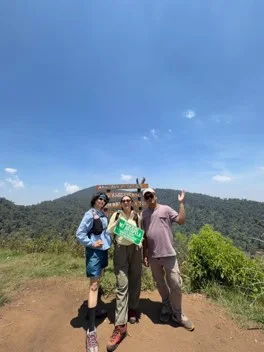
BANDUNG, JurnalPost.com — Mountain climbing is no longer just an adventure activity synonymous with nature lover communities. In recent years, it has developed into a niche tourism choice that increasingly attracts public attention, especially among the younger generation.
The rise of social media has shaped how people perceive this activity. Photos of sunrises from mountain peaks, blankets of clouds, and travel videos showcasing natural beauty often invite admiration. Many people are drawn to hiking after seeing experiences shared by others across various digital platforms.
One destination offering such appeal is Mount Artapela in the Sukapura Village area, Bandung Regency, West Java, located not far from the Pangalengan region.
This mountain features a landscape of plantations, green hills, and panoramic sunrise and sunset views. The presence of Situ Aul and Sulibra Peak further complements the nature tourism experience offered by the area.
For some, climbing Mount Artapela can be an opportunity to escape urban routines. However, behind the growing interest in mountain tourism, issues have emerged that require more serious attention.
Does everyone interested in hiking truly understand their responsibility toward nature?
When FOMO Becomes the Reason to Hike
The phenomenon of Fear of Missing Out (FOMO) has become a factor influencing one's decision to travel, including mountain climbing.
FOMO describes the anxiety of being left behind by popular experiences or trends. In the context of hiking, this phenomenon can arise when someone feels the need to visit a specific mountain because it is being widely discussed on social media.
Essentially, interest sparked by social media is not inherently wrong. Digital content can be an effective tool for introducing natural beauty while raising public awareness of regional tourism potential.
The problem arises when the desire to follow trends is not balanced with knowledge, physical readiness, basic skills, and an understanding of hiking safety.
Mountain climbing has different characteristics compared to ordinary tourism. Weather conditions can change, terrain is not always easy to navigate, and limited access to certain facilities can increase risks if hikers are not well-prepared.
Therefore, the popularity of a destination should not be the only consideration before deciding to hike.
Economic Opportunities and Challenges for Local Communities
The increase in hiking activity actually brings economic opportunities for communities living around mountain tourism areas.
The needs of tourists for transportation, food, hiking gear, guide services, and lodging can open business opportunities and create additional income sources.
From the perspective of tourism development, this situation is an opportunity to increase local community involvement in the tourism economic chain.
However, economic benefits are not always distributed evenly.
Without proper management, the growth in tourist visits has the potential to cause unhealthy business competition, inequality in profit sharing, and changes to the comfort and social life of local residents.
Therefore, the development of hiking destinations should not be oriented solely toward increasing visitor numbers.
Local communities need to be involved in planning, decision-making, and tourism activity management so that the resulting economic benefits can be felt more fairly and sustainably.
When Natural Beauty is Threatened by Its Own Popularity
The next challenge relates to environmental conservation.
The higher the intensity of visits, the greater the potential pressure on mountain ecosystems if tourism activities are not well-controlled.
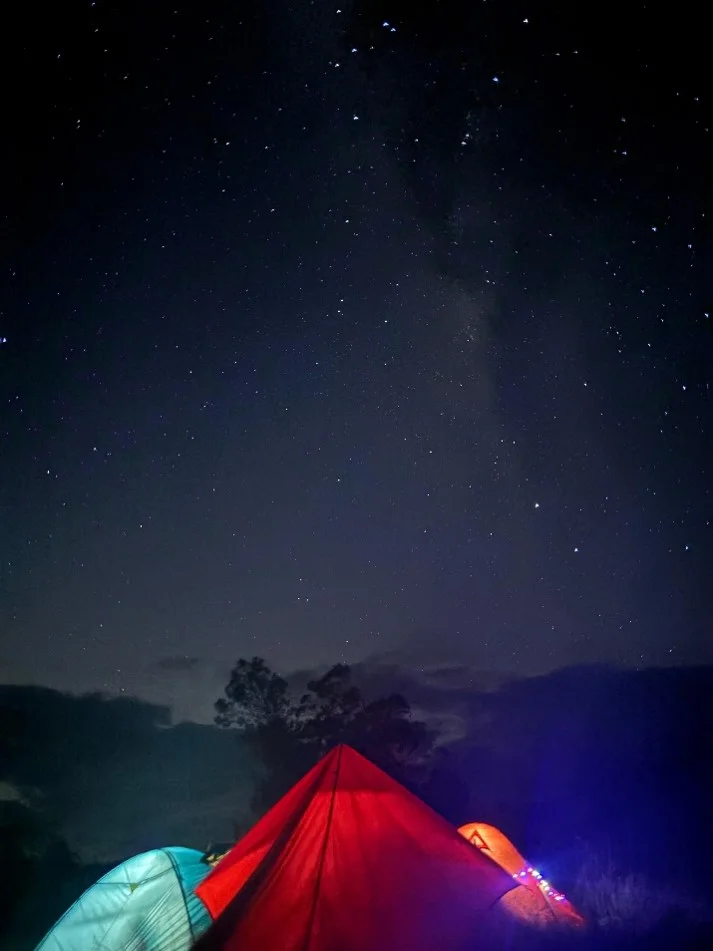
Food waste and plastic packaging left behind, vegetation damage due to off-trail activities, and the use of inappropriate camping areas can degrade environmental quality.
Hiking trails that are constantly traversed without maintenance are also at risk of erosion, especially when the ground is wet or rainfall increases.
These issues highlight a paradox in nature tourism. The beauty of the environment is the main reason someone visits, but irresponsible visiting activities can actually threaten that very attraction.
If this condition is left unchecked, the sustainability of mountain tourism destinations could be compromised.
Nature tourism should not only provide a pleasant experience for current visitors but also maintain environmental quality so it can be enjoyed by future generations.
Responsible Hiking as a New Climbing Culture
To address these challenges, the concept of responsible hiking needs to become part of the mountain tourism culture.
Responsible hiking is not just about carrying complete gear or following rules during the trip. This concept also emphasizes the awareness that every hiker has a responsibility to minimize the impact of their activities on the environment and local communities.
Its implementation can begin with simple actions, such as carrying out all trash, using official trails, not damaging plants, respecting wildlife, and complying with area management regulations.
Preparation before hiking is equally important. Hikers need to understand trail characteristics, pay attention to weather information, adjust the trip to their physical abilities, and ensure safety equipment is available.
On the other hand, destination managers have a responsibility to provide clear information, improve basic facilities, perform trail maintenance, and implement visitor capacity management based on environmental conditions.
Education regarding hiking ethics can also be strengthened through nature lover communities, educational institutions, tourism business operators, and social media.
Thus, the digital platforms that have played a role in building hiking trends can become a means to spread more responsible tourism behavior.
Climbing is Not Just About Reaching the Peak
Mount Artapela is an example of how nature tourism areas have the potential to develop while simultaneously requiring attention to sustainability aspects.
The beauty of the landscape, the appeal of the hiking experience, and the economic opportunities for the community should go hand in hand with efforts to maintain ecosystem balance.
Changing the hiking culture requires the involvement of all parties. The government, tourism managers, local communities, hiking communities, and tourists all have interrelated roles.
The younger generation, as a group that actively uses social media, has a great opportunity to spearhead this change.
Hiking content does not always have to focus on the success of reaching the peak or the beauty of travel photos. Experiences of maintaining cleanliness, respecting local communities, and applying safety principles are also worthy of being part of the stories shared.
Ultimately, mountain climbing is not a race to show who steps the highest or who visits popular destinations first.
Hiking is an opportunity to build a closer, more conscious, and responsible relationship with nature.
Let us not become a generation that succeeds in reaching the peak but fails to maintain the preservation of the mountains we have been so proud of.





Comments 0
Write a Comment Share your response