

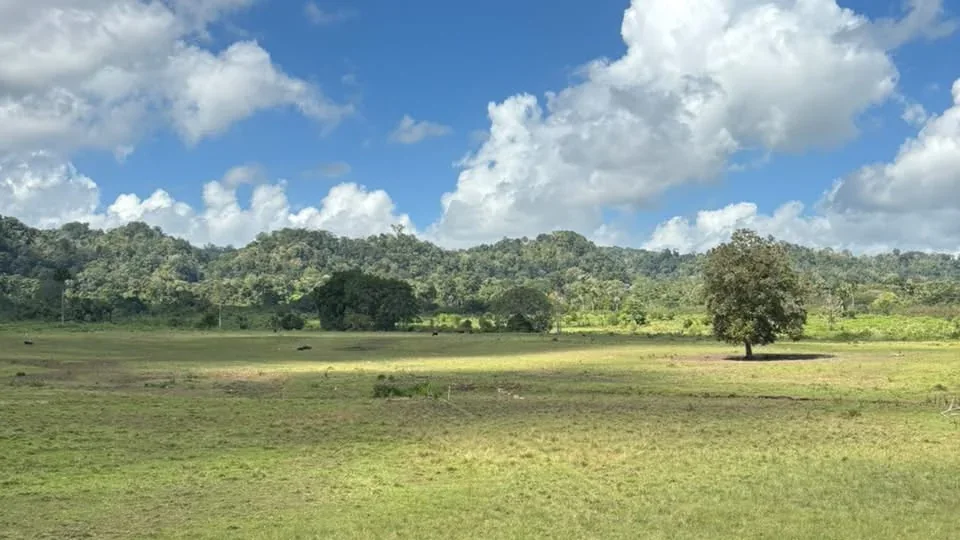
BANYUWANGI, JurnalPost.com — From the observation tower at Sadengan Savanna, visitors to Alas Purwo National Park can watch Javan banteng grazing or search for green peafowl along the edge of the field. The animals come and go at their own rhythm. The opportunity to observe these behaviors from a safe distance is the primary draw of wildlife tourism in Alas Purwo.
Observing wildlife from the Sadengan observation tower
Sadengan Savanna is a grazing ground managed by the Alas Purwo National Park Office in the Tegaldlimo region of Banyuwangi, East Java. The national park office states that it covers approximately 84 hectares. This area plays a vital role in wildlife management, particularly for the Javan banteng. Timor deer and green peafowl can also be found in Sadengan.
The observation tower provides visitors with a wide-angle view to observe the grasslands without entering the grazing area. From there, visitors can monitor animal movements between the open fields and the forest edge. Binoculars or telephoto lenses help in viewing details while maintaining a respectful distance.
The Alas Purwo National Park Office notes that morning and late afternoon are the best times for observation. The appearance of wildlife remains dependent on the season, habitat conditions, and the behavior of each species. During the dry season, for instance, animals often approach water holes. The scenery can vary even if visitors return to the same spot.
Alas Purwo and Baluran offer distinct experiences
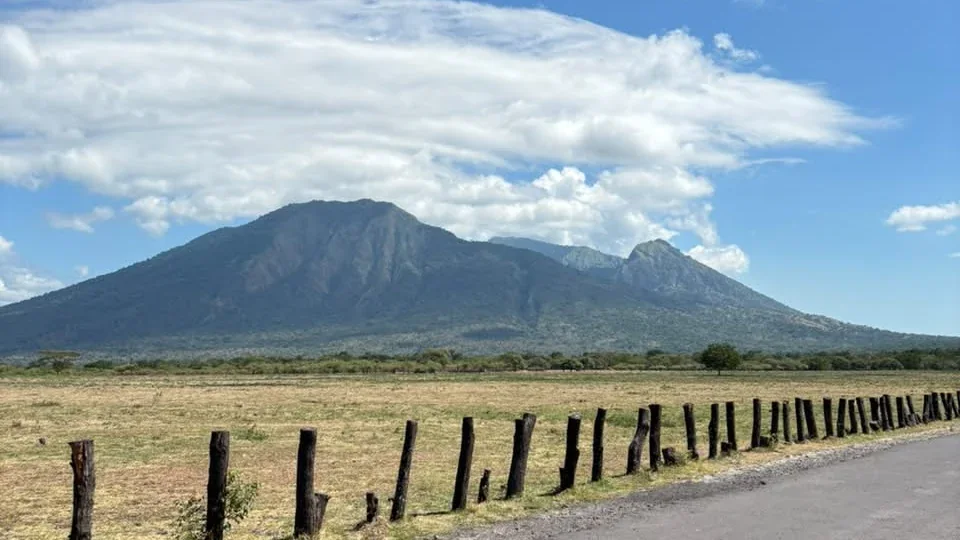
Sadengan and the Bekol Savanna in Baluran National Park, Situbondo, both provide opportunities to observe wildlife in open landscapes. Bekol Savanna is known for its backdrop of Mount Baluran. In Alas Purwo, observation at Sadengan can be part of a visit that introduces the tropical forest, grazing grounds, and coastal areas.
This character allows Alas Purwo to develop educational tourism across ecosystems. Information boards and guide explanations help visitors understand the relationship between animals and their habitats. When a banteng is seen grazing, for example, a guide can explain the function of the grazing ground and why visitors must observe from outside the area.
Ethics of observing wildlife in Alas Purwo
Visitors can help preserve the animals' natural behavior by staying within designated observation areas, following staff instructions, and keeping noise levels low. Food should be kept for personal consumption. Feeding or luring animals to approach can alter their habits and make them accustomed to seeking food from humans.
Managing the observation space is also important when visitor numbers increase. Clear viewing areas and staff supervision help maintain the distance between visitors and wildlife. Information about habitats and animal behavior can make waiting at the observation tower a rewarding experience, even when the fields are quiet.
Wildlife tourism in Alas Purwo provides an opportunity to recognize the needs of animals in their natural habitat. From Sadengan, visitors can see firsthand the connection between open spaces, forest edges, and foraging grounds. This experience can foster a sense of care for the habitats that sustain their lives.
The author is affiliated with UPN “Veteran” East Java.






Comments 0
Write a Comment Share your response