

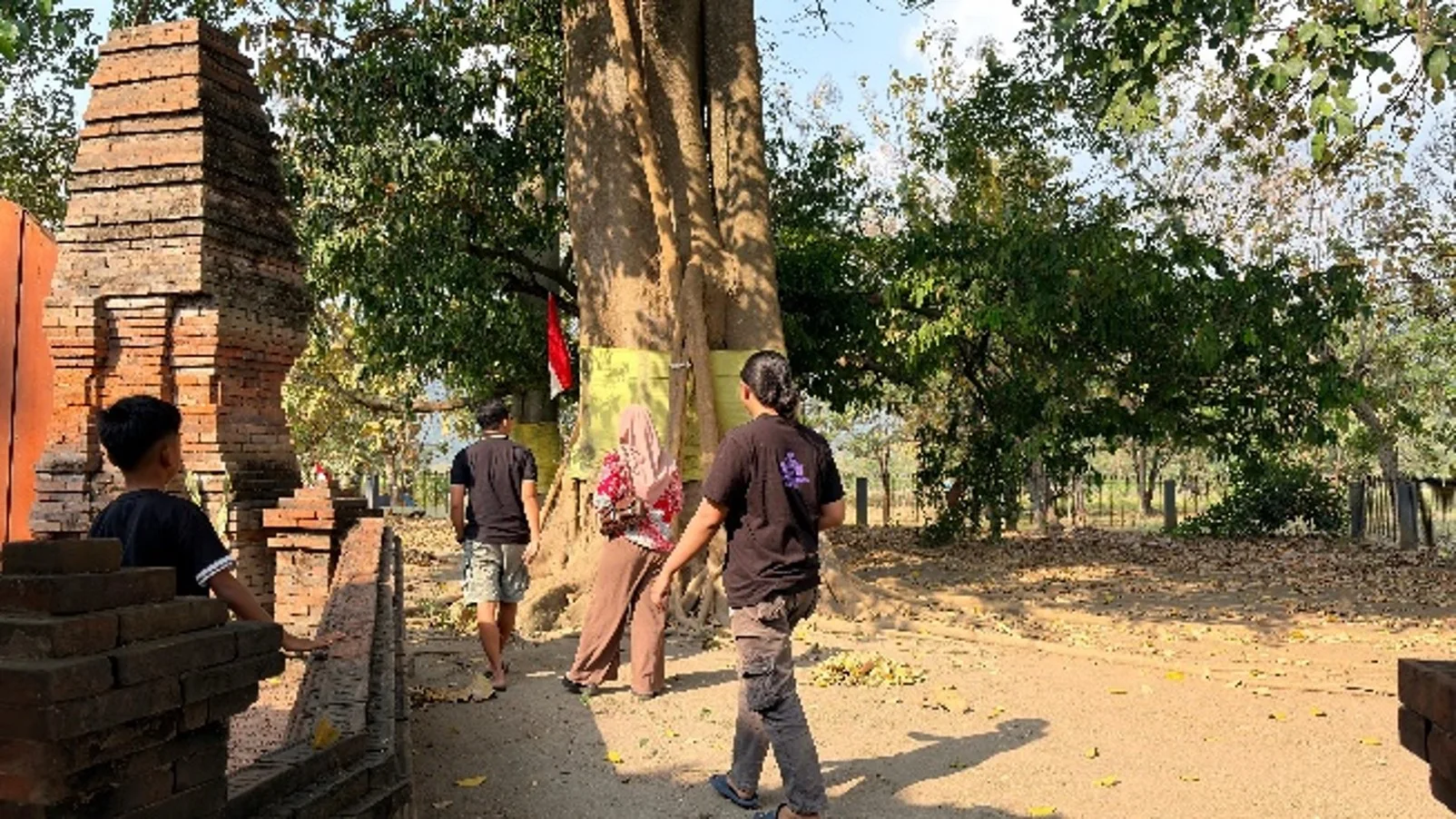
KEDIRI, JurnalPost.com – Siman Village, located in the Kepung District of Kediri Regency, East Java, holds significant potential for natural, historical, and cultural tourism. From its water areas to ancient Javanese relics, these local treasures form the village's identity and offer opportunities for tourism development rooted in local wisdom.
This potential has drawn the attention of academics from the Tourism Study Program at the Universitas Pembangunan Nasional (UPN) “Veteran” East Java, who are conducting research focused on the unique characteristics and wealth of Siman Village.
The research serves as an academic effort to explore regional potential while encouraging the development of a tourism sector that respects historical values, culture, and the lives of the local community.
Siman Reservoir and Rural Nature Tourism Potential
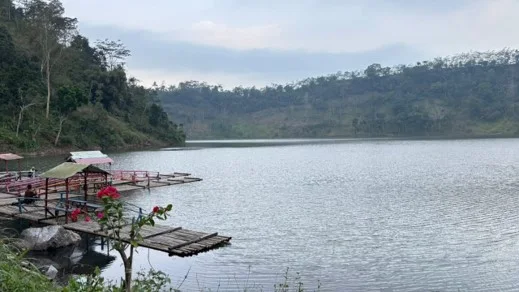
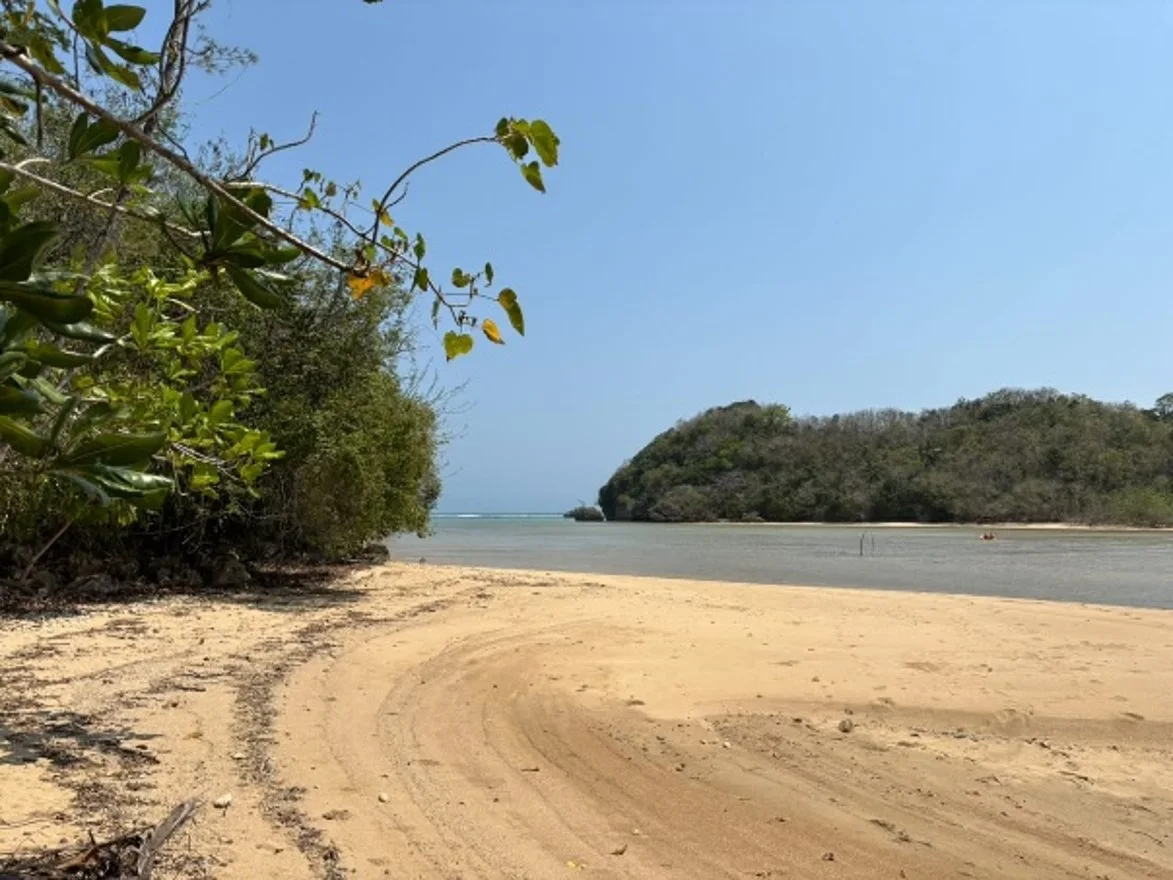
One of the natural attractions in Siman Village is the Siman Reservoir and its surrounding water areas. The expanse of water combined with the rural atmosphere creates a distinct environment with the potential to be developed as a nature tourism destination.
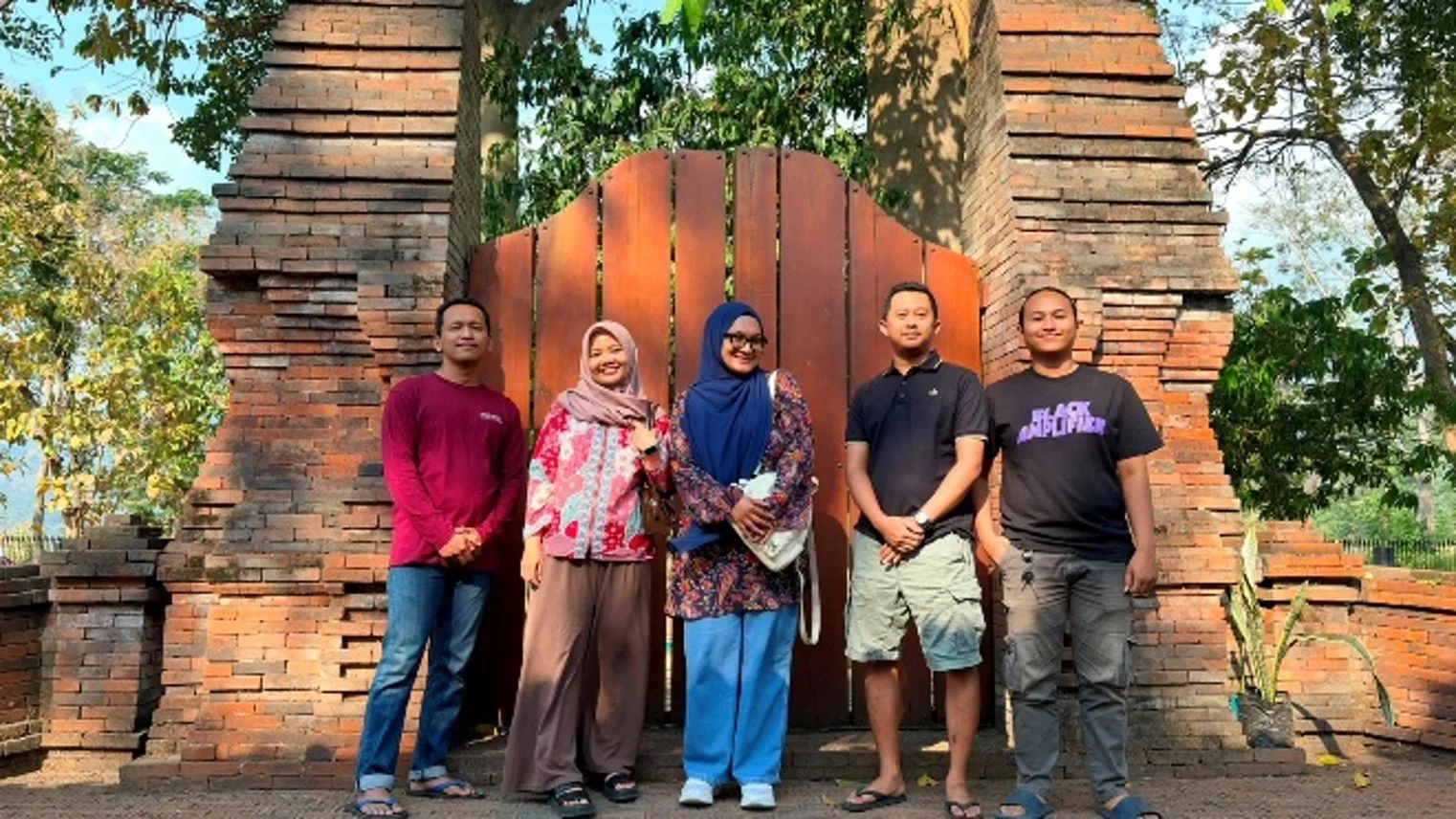
The reservoir is not merely a part of the landscape; it is deeply intertwined with the lives of the local people. The aquatic environment and village setting offer a unique experience for visitors looking to enjoy natural beauty while learning about rural life.
This potential is a valuable asset that could be introduced to a wider audience. However, development must prioritize environmental conditions, the sustainability of natural resources, and the interests of the local community.
This approach is essential to ensure that tourism development is not solely focused on increasing visitor numbers, but also provides long-term benefits for the village.
Harinjing Inscription: A Key Historical Landmark of Kediri Regency
Beyond its natural beauty, Siman Village preserves historical heritage closely linked to the history of Kediri Regency.
One of the most significant relics is the Harinjing Inscription, which serves as the basis for determining the anniversary of Kediri Regency.
The Harinjing Inscription contains records dating back to 726 Saka, or March 25, 804 AD. This date is used as the foundation for the Kediri Regency anniversary, which is commemorated every March 25.
The existence of this inscription highlights the connection between Siman Village and the long history of Kediri. Although the original inscription is now housed at the National Museum of Indonesia, its historical value remains a vital part of the region's identity.
This historical heritage also holds potential for educational tourism. Visitors can not only learn about ancient relics but also understand the events and societal developments that shaped them.
Introducing history through tourism can be an effective way to foster awareness among the public, particularly the younger generation, regarding regional cultural heritage.
Paradah Inscription and Punden Bogorpradah Enrich Cultural Tourism
The historical wealth of Siman Village extends beyond the Harinjing Inscription. The area is also linked to the Paradah I and Paradah II inscriptions, which are significant relics from the ancient Javanese era.
Both inscriptions serve as important evidence for understanding the history of the Kediri region, including the development of society in the past.
In addition to the inscriptions, there is the Punden Bogorpradah, which is part of the local cultural heritage of Siman Village.
This sacred site is connected to the traditions and daily lives of the local community. Its existence demonstrates that the village's cultural wealth is found not only in historical records but also in places that hold deep meaning for the people.
These various relics open opportunities for developing educational historical and cultural tourism.
By showcasing historical sites and traditional heritage, visitors can gain a broader understanding of the character of Siman Village and its relationship to the history of Kediri Regency.
At the same time, efforts to introduce cultural heritage must be carried out while respecting local values and preserving sites that are significant to the community.
UPN Veteran East Java Lecturers Explore Local Tourism Potential
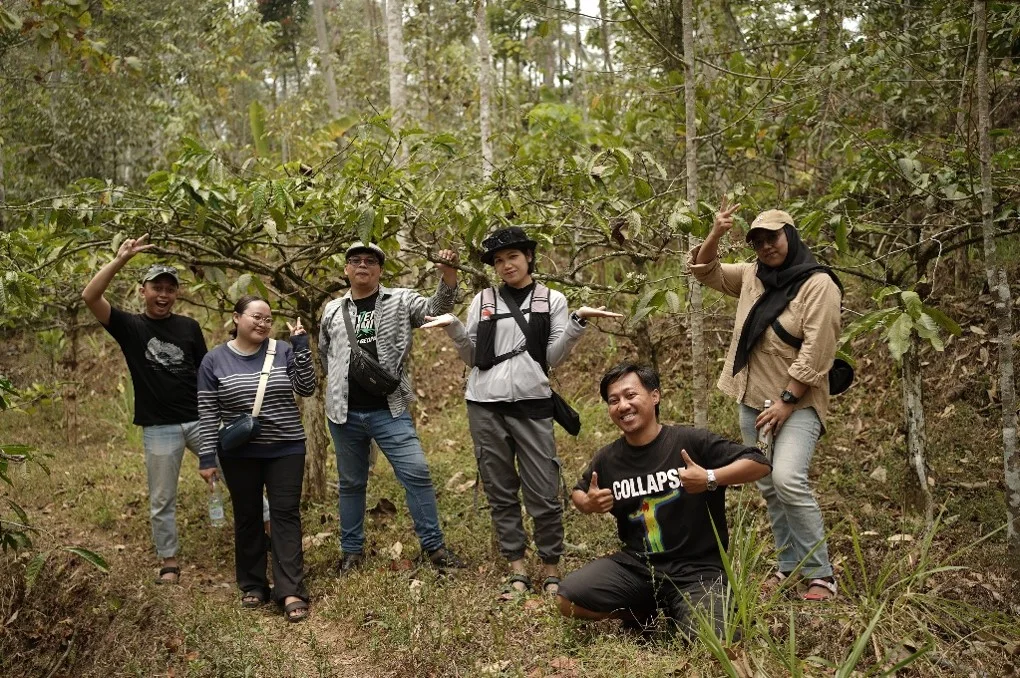
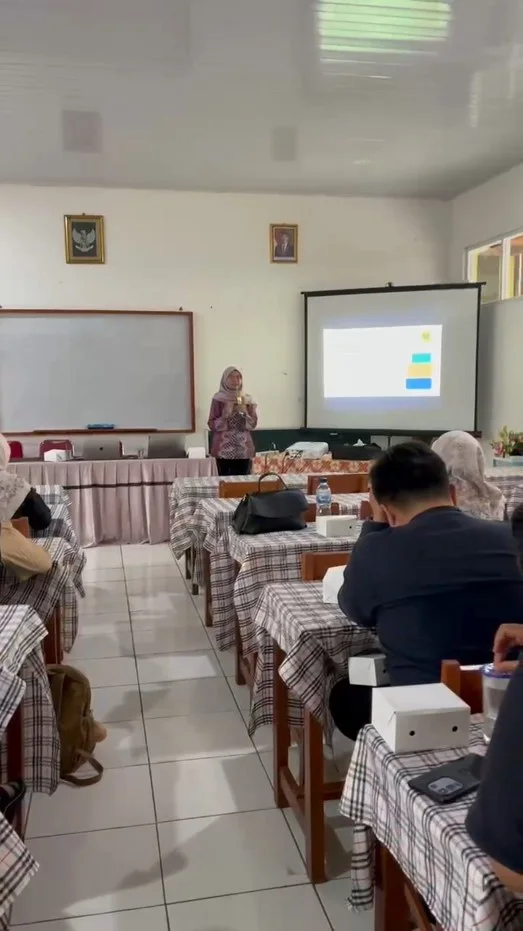
The natural and cultural wealth of Siman Village has become a focus for lecturers from the Tourism Study Program at UPN “Veteran” East Java through research conducted in the area.
This activity is part of the university's contribution to identifying and highlighting regional potential, particularly regarding the development of tourism based on local resources.
Through an academic lens, the Siman Reservoir, the inscriptions, and the cultural sites are viewed as regional assets with the potential to be introduced to a wider public.
Developing tourism based on local wisdom is crucial because every village has unique characteristics. Natural wealth, history, and local traditions are elements that shape identity and distinguish one destination from another.
In the context of Siman Village, the combination of water areas, archaeological relics, and cultural heritage demonstrates the potential for tourism development that offers not only natural beauty but also educational experiences and historical insight.
Nevertheless, developing this potential requires careful attention to environmental conservation, the protection of historical relics, and community involvement to ensure that the benefits of tourism are sustainable.
Preserving Local Wisdom as Village Identity
Village tourism development cannot be separated from efforts to maintain the local wealth passed down through generations.
Historical and cultural relics are not merely tourist attractions; they are part of the community's identity that must be preserved.
The same applies to the natural wealth that is part of the residents' daily lives. Management must balance the utilization of tourism potential with environmental sustainability.
Siman Village demonstrates that rural areas can possess diverse attractions. Natural beauty, traces of civilization, and community traditions are complementary assets.
Through the study and promotion of this potential, it is hoped that more parties will pay attention to the importance of preservation and the development of tourism that respects regional characteristics.
The research conducted by UPN “Veteran” East Java lecturers is also part of the implementation of the Tridarma Perguruan Tinggi (Three Pillars of Higher Education), specifically in research oriented toward knowledge development and community contribution.
The research activity was carried out under the Novice Lecturer Research (PDP) scheme with funding support from the Institute for Research and Community Service (LPPM) of Universitas Pembangunan Nasional “Veteran” East Java.
Through this initiative, the natural, historical, and cultural potential of Siman Village is expected to become more widely recognized and serve as a foundation for sustainable, educational tourism development that remains rooted in the community's local wisdom.




Comments 0
Write a Comment Share your response