

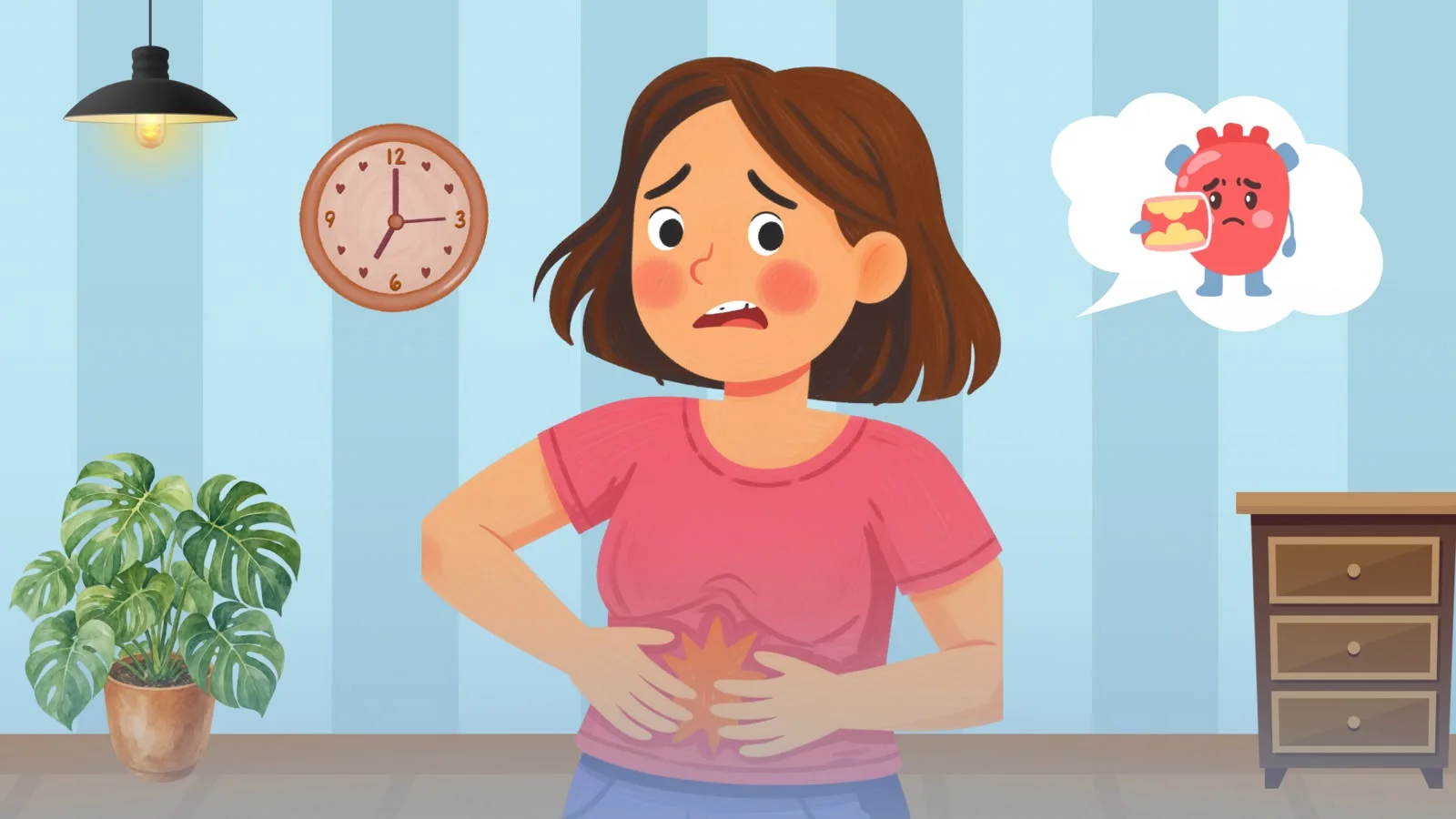
JurnalPost.com - Have you ever felt a headache and immediately imagined the possibility of a serious illness? Then you start looking up the symptoms on Google. Instead of feeling calm, you find various disease names that make you even more worried. If you have experienced something like this, you are not alone.
In a survey we conducted via Instagram, 81 out of 105 respondents (77.1%) have felt worried about suffering from a serious illness just because of minor symptoms like headaches, dizziness, or heart palpitations. Only 24 people (22.9%) have never felt this way. This survey is small and does not represent everyone, but the picture is quite clear, as health anxiety is very common.
The problem is that this condition is rarely known. Only 31% of respondents have heard of the term hypochondriasis, while the remaining 69% have not, and most refer to it as "overthinking." If someone's fear keeps recurring even though a doctor has said everything is fine, it is not just about thinking too much. It could be a disorder that needs to be addressed.
From the interviews we conducted with a housewife (63 years old), a high school student (16 years old), and a university student (19 years old), several experiences related to hypochondriasis were found. The student shared that when their body is tired, nausea and dizziness often appear, leading them to search for information on the internet without filtering sources, which ends in self-diagnosis. The high school student also shared that common symptoms often lead to frightening search results. Meanwhile, the housewife spoke about her sibling who constantly complains of illness, even though she had never heard the term hypochondriasis before.
All three agreed on the difference. People who care about their health maintain a healthy lifestyle and try to treat their illness. People who are overly fearful immediately conclude they are sick and remain worried even when there is no serious problem. Results from interviews with a healthcare professional, EK (26 years old), indicate that such patients often arrive with complaints of "being sick often," even though examination results are normal. Consequently, patients need to be evaluated repeatedly because their anxiety easily resurfaces.
So, what is hypochondriasis?
Simply put, hypochondriasis is an excessive fear that you have a serious illness, even though there is no medical evidence. The individual tends to be overly vigilant about small changes in their body and considers minor complaints as signs of danger.
How common is it? The figures vary between studies. Research conducted by Kikas et al. (2024) states that it affects about 0.04–4.5% of the general population, and is higher in healthcare settings, namely 0.3–8.5% among general practitioners. Meanwhile, other research found that about 3.4% of the Australian population experiences health anxiety. In fact, among outpatients at medical clinics, the figure can reach 20% (Tyrer & Tyrer, 2018). These differences in figures can occur due to different research methods and criteria used. However, these findings show that excessive anxiety about health is something that needs attention.
Characteristics
Based on the DSM-V, the characteristics that may appear include:
1. Excessive worry about having or acquiring a serious illness.
2. Somatic symptoms are not present or, if present, are only mild. If another medical condition is present or there is a high risk for developing a medical condition (e.g., a strong family history), the worry is clearly excessive or disproportionate.
3. There is a high level of anxiety related to health, and the individual is easily alarmed about their personal health status.
4. The individual performs excessive health-related behaviors (e.g., repeatedly checking their body for signs of illness) or exhibits maladaptive avoidance (e.g., avoiding doctor appointments and hospitals).
5. Illness preoccupation has been present for at least 6 months, but the specific illness that is feared may change over that period of time.
6. The illness-related preoccupation is not better explained by another mental disorder, such as somatic symptom disorder, panic disorder, generalized anxiety disorder, body dysmorphic disorder, obsessive-compulsive disorder, or delusional disorder, somatic type.
Can it be treated?
Certainly. For this disorder, the most researched therapy is Cognitive Behavioural Therapy (CBT). In this therapy, you learn to recognize triggers, manage anxiety, and stay active even while symptoms persist. A study that combined results from several previous studies found that CBT is quite effective in helping to reduce excessive health anxiety compared to groups that did not receive therapy. The effects of this therapy are still visible up to 6 to 12 months after the therapy is completed. Antidepressant medication is sometimes also given if counseling or therapy has not yielded sufficient results. However, the use of this medication must be based on a doctor's examination and decision.
Meanwhile, there are small steps you can try daily:
1. Limit googling symptoms. If you really need to look for information, choose trusted sources and stop after one or two searches.
2. Maintain basic needs, such as sleep, food, and rest. Dizziness and nausea are often just signs that the body is tired.
3. Talk to someone close and trusted; do not just bottle it up alone.
4. See a doctor or psychologist if the anxiety is already disrupting your sleep, concentration, daily activities, or persists even when examination results show everything is normal.
It should be understood that worrying about health is human and even useful, as it is what makes us want to get checked and live healthier lives. But if that fear is already greater than the symptoms and persists even after a doctor has reassured you, perhaps it is not just the body that needs care.
So, next time your head throbs and your fingers are itching to open a search engine, try asking yourself, "Am I looking for information or am I looking for reassurance?"
Note: This article is for educational purposes and is not a substitute for professional diagnosis.


Comments 0
Write a Comment Share your response