

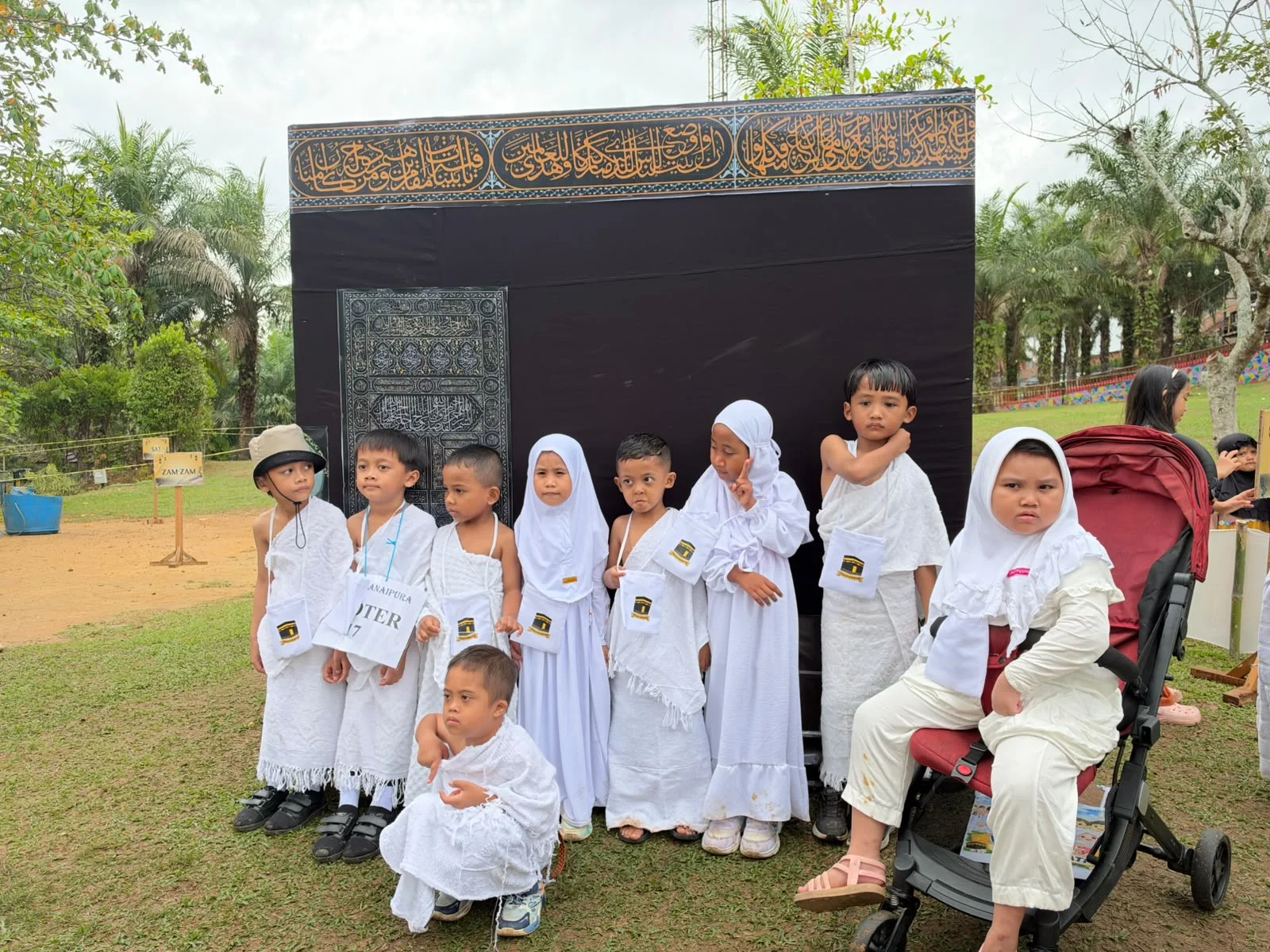
JurnalPost.com - The expansion of inclusive education understanding for the 2026/2027 academic year demands that Early Childhood Education (PAUD) units become increasingly open to child diversity. However, amidst these demands, the readiness of educators, learning facilities, and the support of the education system remain challenges that require serious attention.
Imagine the atmosphere of a kindergarten classroom at the start of a new school year. A teacher tries to divide their attention among children with different needs. In one corner of the room, a child sensitive to sound covers their ears because the classroom is too noisy. Meanwhile, a transfer student from a remote area struggles to follow instructions because they are not yet accustomed to using Indonesian.
This scene illustrates the complexity educators may face in creating a truly inclusive learning environment. Every child arrives with characteristics, experiences, abilities, and developmental needs that are not always the same.
Inclusive education is not sufficiently understood merely as the admission of children with special needs into regular classrooms. The concept of inclusion must also address the diversity of socio-economic backgrounds, languages, cultures, learning abilities, and vulnerabilities that can affect a child's opportunity to receive quality education.
In the context of national policy, the strengthening of inclusive education has been grounded, among other things, by the Regulation of the Minister of Education, Culture, Research, and Technology Number 48 of 2023 concerning Reasonable Accommodation for Students with Disabilities. Entering the 2026/2027 academic year, the main challenge is not just understanding regulations, but ensuring that the principles of equality and non-discrimination are truly present in daily learning practices.
The Readiness Gap in PAUD Units
One of the fundamental issues in implementing inclusive education is the gap between policy demands and the capacity of educational units.
Not all PAUD institutions have educators with specific competencies in handling diverse child developmental needs. The presence of Special Mentoring Teachers (GPK) or professional support staff has also not been met evenly.
As a result, regular classroom teachers often face complex demands. In addition to planning play and learning activities, they must be able to identify children's developmental needs, adjust learning strategies, and build communication with parents.
The skills to conduct initial developmental assessments and compile Individualized Education Programs (IEP) for children who need them require understanding and continuous mentoring. Such competencies cannot be built solely through policy socialization or short training sessions.
Another issue relates to limited facilities and infrastructure. Some learning environments have not fully considered accessibility, sensory comfort, or the availability of educational play tools that can be used by children with diverse abilities.
This challenge becomes even more critical when linked to the agenda of a joyful transition from PAUD to Elementary School (SD). Children with different developmental needs risk facing pressure if readiness for entering primary education is still narrowed down to the ability to read, write, and count.
In fact, school readiness should encompass social-emotional development, independence, communication skills, and a child's self-confidence.
Ecological Synergy and Learning Scaffolding
Inclusive education cannot be fully burdened on teachers. Its success requires the involvement of various environments that influence a child's development.
This perspective is in line with the Ecological Systems Theory developed by Urie Bronfenbrenner. The theory explains that a child's development is influenced by reciprocal relationships between the individual and the interconnected social environment.
At the microsystem level, the quality of teacher-child interaction and family support are important foundations for the formation of a sense of security and self-acceptance.
Meanwhile, the mesosystem emphasizes the importance of relationships between schools, families, and other support environments. Consistently established communication allows children's needs to be recognized and addressed more accurately.
At the macrosystem level, policy support, social values, and community culture contribute to the success of inclusive education.
This means that the provision of facilities and the improvement of teacher competence need to go hand in hand with efforts to eliminate stigma against children who have differences in ability or learning needs.
In the context of learning, Lev Vygotsky's thinking through Sociocultural Theory also provides an important foundation. Social interaction is viewed as part of the process of developing a child's thinking ability.
The diversity of abilities in the classroom can actually be an opportunity to build cooperation, empathy, and peer-to-peer learning experiences.
Through the concept of Zone of Proximal Development (ZPD), teachers can understand the distance between the abilities a child has mastered independently and the abilities that can be achieved through assistance.
This assistance is known as scaffolding or learning support, which is support provided gradually according to the child's needs and reduced when the child begins to be able to complete activities independently.
This approach places differences in ability not as an obstacle, but as a primary consideration in designing meaningful learning experiences.
Designing Flexible Classrooms from the Start
One relevant approach to strengthening inclusive education is Universal Design for Learning (UDL).
This learning framework developed by CAST encourages educators to design flexible learning activities from the start, so that the diverse needs of students are considered in the planning process.
The UDL approach provides a variety of options for building engagement, presenting information, and facilitating children in expressing their understanding.
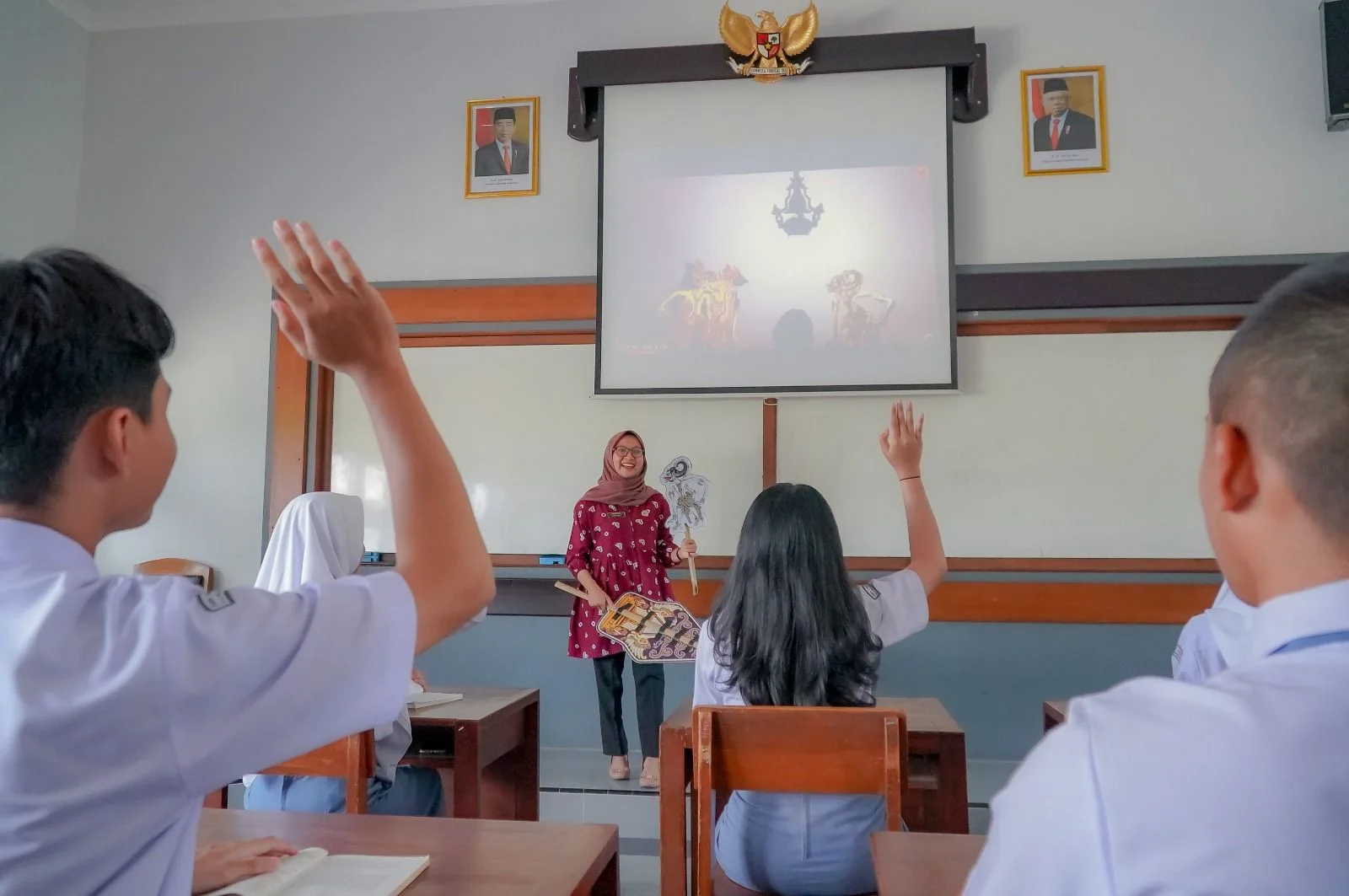
In storytelling activities, for example, teachers do not have to rely on verbal explanations. Stories can be conveyed through pictures, puppets, concrete objects, movements, or audio media.
Children can also be given the opportunity to show their understanding through conversation, drawing, arranging objects, or acting out parts of the story.
Thus, a single learning objective can still be achieved through various paths that suit the abilities and characteristics of each child.
This approach helps reduce learning barriers while minimizing treatment that has the potential to cause negative labeling.
However, the application of UDL does not mean eliminating all needs for individual mentoring. Certain children still require specific accommodations and interventions to participate optimally.
The essence of inclusive education is not to treat all children uniformly, but to provide fair support so that every child has equal learning opportunities.
Strengthening Policy Foundations and System Support
For the transformation of inclusive education in the year 2026 not to stop as an administrative discourse, more concrete steps are needed to strengthen educational services at the PAUD unit level.
First, the optimization of Disability Service Units (ULD). Local governments need to ensure that ULDs carry out their function of mentoring educational units, particularly in providing reasonable accommodations for students with disabilities.
The existence of ULDs should not be limited to referral services, but should also support the improvement of educator capacity, identification of service needs, and coordination with professional staff according to their authority.
Second, strengthening the integration of inclusive education with Holistic Integrative PAUD (PAUD HI). This approach has a basis in Presidential Regulation Number 60 of 2013 concerning Holistic-Integrative Early Childhood Development.
Collaboration between the education office, health office, community health centers (puskesmas), integrated service posts (posyandu), families, and other supporting institutions is needed to ensure that the needs for education, health, nutrition, care, and child protection can be met in an integrated manner.
Third, carrying out the transformation of practice-based teacher training. The development of educator competence needs to move beyond the socialization of concepts toward reflective learning, continuous mentoring, and the strengthening of learning communities.
Teachers need opportunities to discuss real challenges in the classroom, evaluate learning strategies, and obtain input from mentors and peers.
Strengthening inclusive education also requires the involvement of parents. Open communication can help build the understanding that diversity is a natural part of social life, not a threat to the learning process.
Inclusion as a Humanitarian Commitment
Ultimately, the success of inclusive education is not sufficiently measured by the number of PAUD units that declare themselves to accept children with diverse needs.
A more meaningful measure is the extent to which every child truly feels safe, accepted, valued, and has the opportunity to develop according to their potential.
Inclusive education demands a change in perspective, not just administrative adjustments. Teachers need competence, schools need resources, families need support, and the government is obligated to strengthen sustainable service systems.
The transformation of PAUD inclusive education in the year 2026 is a momentum to affirm that every child has the same right to grow and learn without discrimination.
Because, inclusive education is essentially the most fundamental test of humanity for our education system. Ensuring every child gets an equal start is not just about carrying out policy mandates, but an investment in civilization so that no generation is left behind from their very first step.


Comments 0
Write a Comment Share your response