

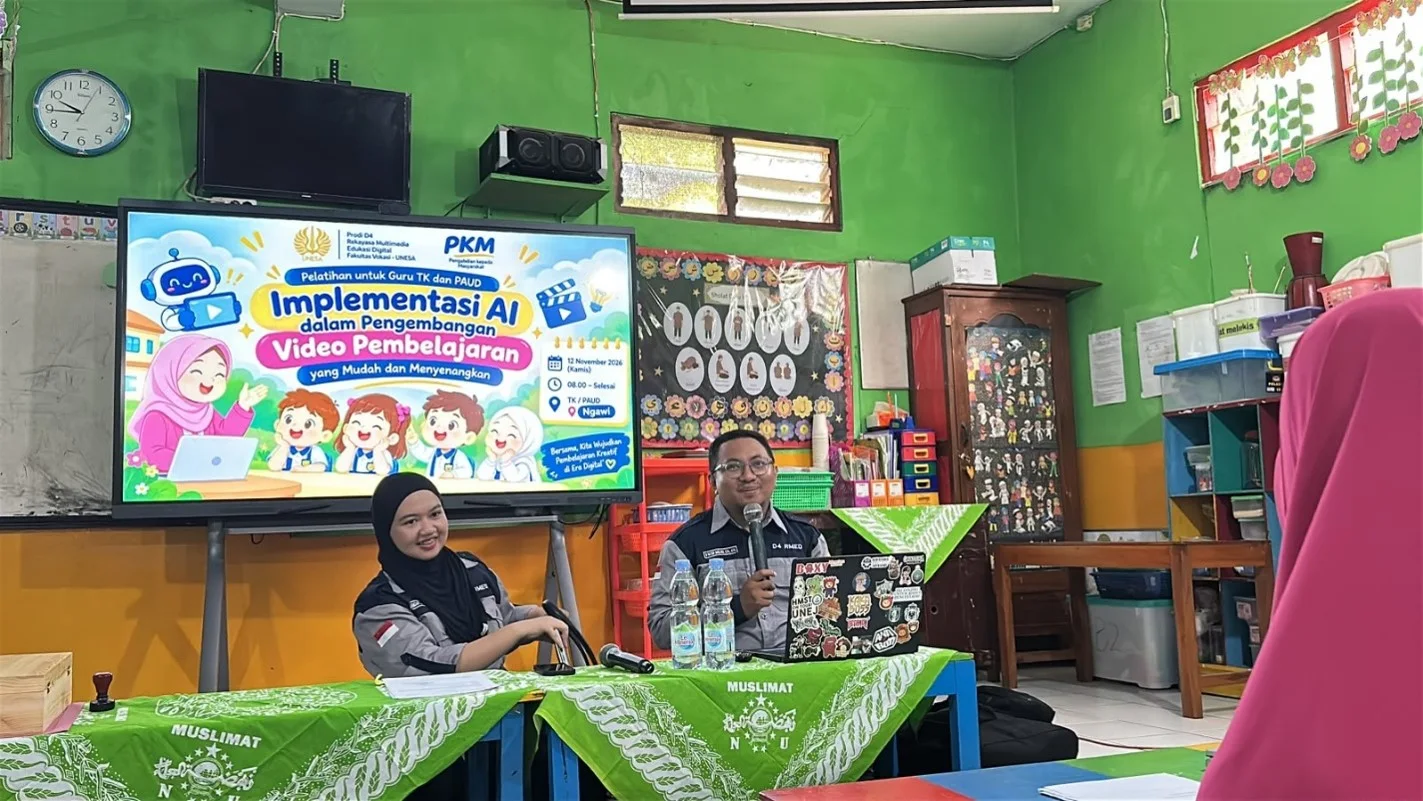
NGAWI, JurnalPost.com – The use of artificial intelligence or Artificial Intelligence (AI) is opening new opportunities for early childhood educators to develop more creative and engaging learning media. This technology not only assists in generating digital materials but also serves as a tool for educators to explore learning ideas tailored to children's needs.
This initiative was carried out by the Applied Bachelor's Program in Digital Educational Multimedia Engineering (RMED), Faculty of Vocational Studies, Universitas Negeri Surabaya (UNESA), through a Community Service (PkM) program held in Ngawi Regency, East Java, on Thursday, 12 November 2026.
In collaboration with the Muslimat Nahdlatul Ulama Educational Foundation (YPMNU) of Ngawi Regency, the activity focused on utilizing AI to develop learning videos for playgroup, kindergarten, and early childhood education teachers.
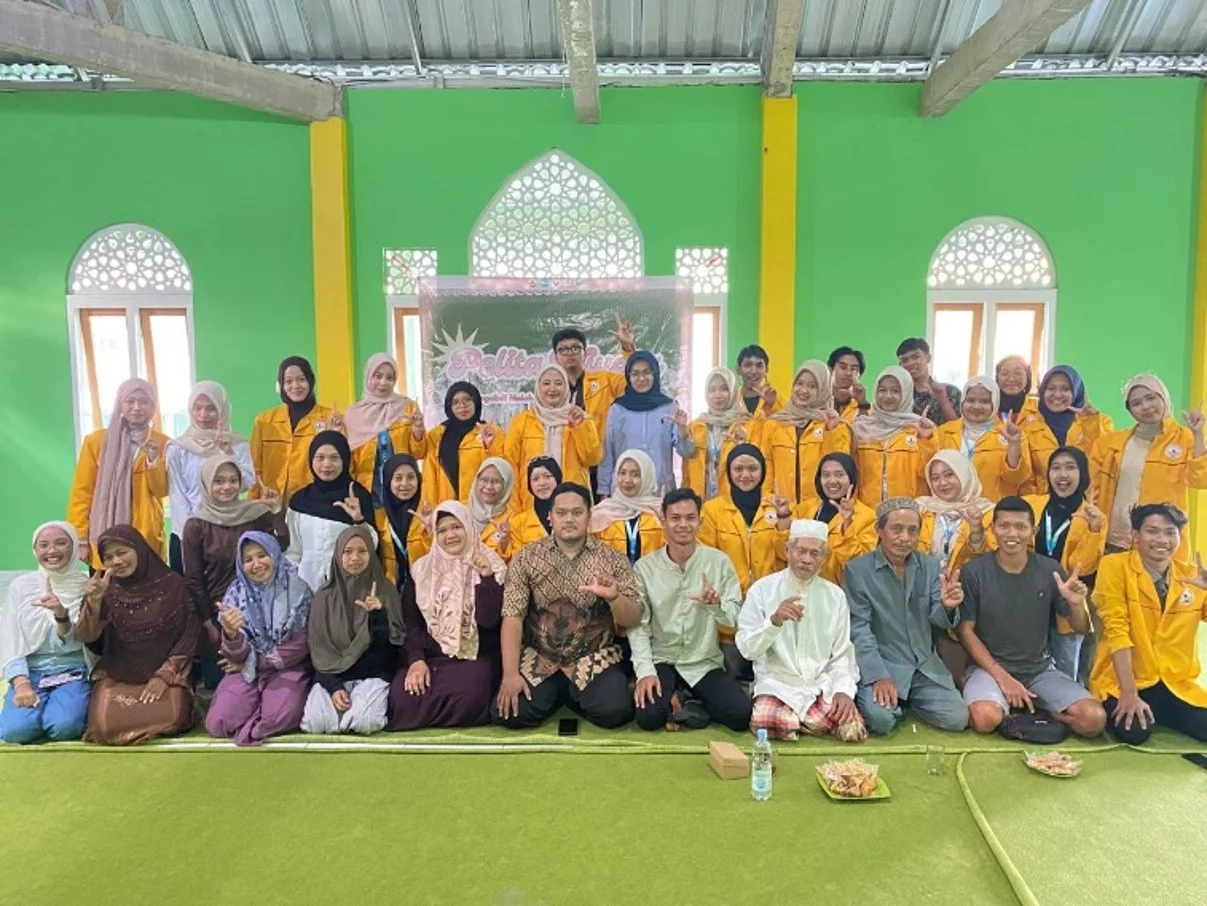
A total of 25 participants from various educational institutions under the YPMNU Ngawi umbrella attended the training. They were not only introduced to AI technology but were also guided in developing concepts and producing animated videos for classroom use.
YPMNU Ngawi Welcomes Collaboration with UNESA
The Chair of YPMNU Ngawi, Hj. Siti Mukharromah, S.Pd., expressed her appreciation for the event, which bridged the gap between higher education and early childhood educators.
She welcomed the opportunity for ongoing cooperation between YPMNU Ngawi and the RMED UNESA study program, particularly in enhancing teacher competence in the face of evolving educational technology.
According to information shared during the event, this collaboration has also been reported to the YPMNU leadership at the East Java provincial level and has received a positive response.
This support is expected to be the first step in expanding cooperation for educator capacity building, specifically in utilizing digital technology to create more innovative learning experiences.
The training was led by two lecturers from the RMED UNESA study program, Muhammad Natsir Maulana, S.Pd., M.Pd., and Endah Laelatul Fitri, S.Pd., M.Pd.
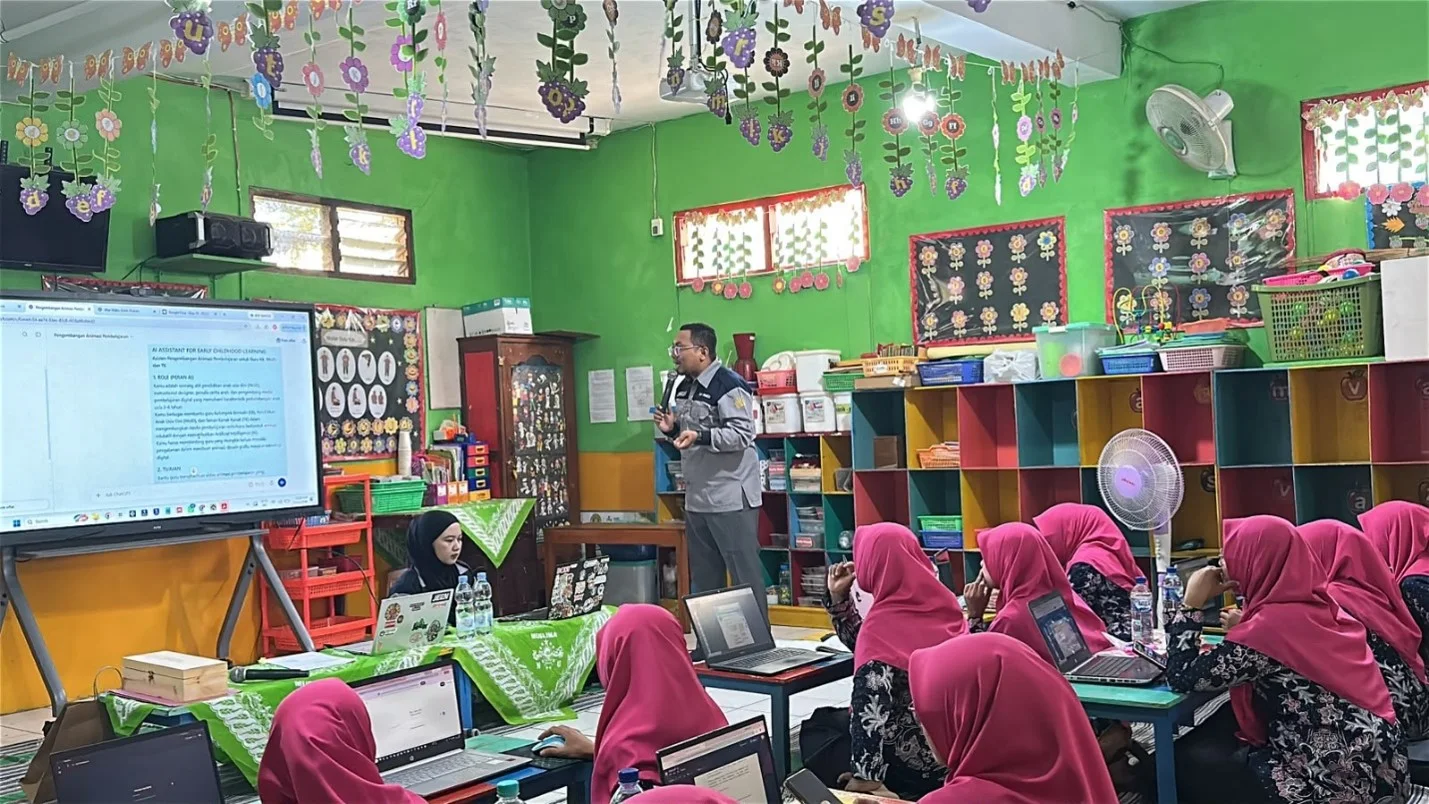
Both guided the participants in understanding AI usage while identifying various learning needs that could be developed into audiovisual media.
Early Childhood Educators Learn to Create Animated Videos Using AI
Unlike technology training that focuses solely on application mastery, this activity provided space for teachers to discuss, exchange experiences, and foster creativity.
Participants were encouraged to identify learning materials relevant to children's daily lives and then design their presentation through stories and animation.
The process began with story ideation, creating a storyboard, designing characters, writing prompts or instructions for the AI, and finally producing the animated video using Google Flow.
This approach allowed teachers to understand the media development process step-by-step, without requiring a background in multimedia production.
During the discussion and practice sessions, participants explored how visuals, characters, and storylines can help convey learning messages in a simpler and more accessible way for children.
The enthusiasm was evident in the participants' active involvement in discussions and media concept development. Several teachers noted that the activity provided new insights and inspiration for presenting digital learning materials that are more engaging and relevant to daily activities.
Introducing ASSY, an AI Assistant for Animation Development
One of the materials developed during the training was the habit of saying Bismillahirrahmanirrahim before starting any activity.
This theme was chosen because it is directly related to children's daily routines, such as before eating, studying, playing, or engaging in other positive activities.
Through animated characters and simple stories, teachers were guided on how to convey religious values that resonate with children's experiences.
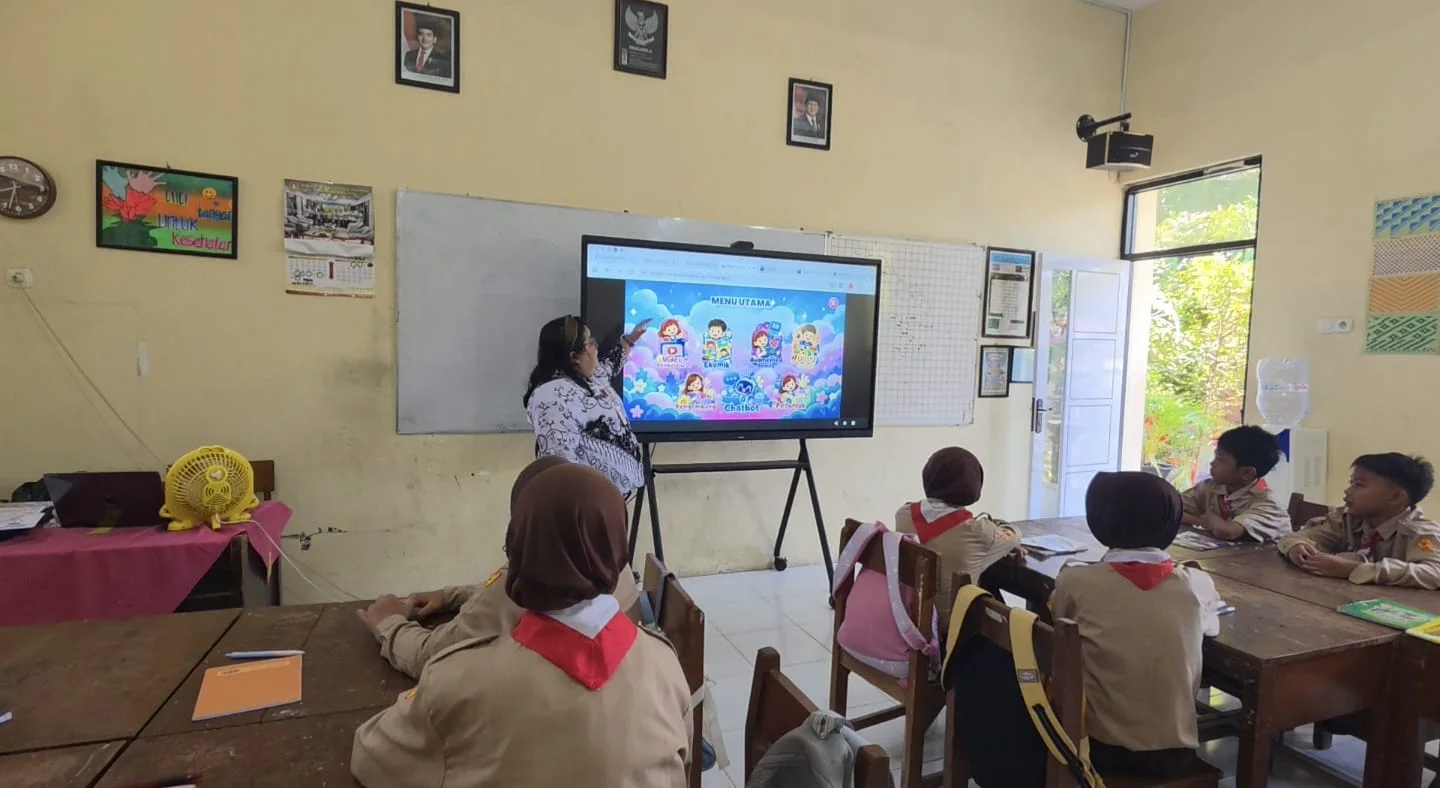
During the media development process, participants were introduced to ASSY, or the Animation Development Assistant, an AI-based tool designed to support the creation of story ideas, storyboards, and prompts for learning media.
ASSY was introduced as a tool to help teachers explore animation concepts without needing to master all technical aspects of production.
However, the use of AI in education still requires the active role of the educator. Teachers must ensure that the stories, characters, language, and messages generated are appropriate for the age and developmental stage of the students.
In this way, technology serves as a support for creativity rather than a replacement for pedagogical judgment and direct interaction between teacher and child.
RMED UNESA Students Directly Involved in Community Service
In addition to involving lecturers, this activity served as a learning opportunity for students of the RMED UNESA study program.
Students contributed to program development and training execution. This involvement provided an opportunity to apply knowledge gained during their studies in real-world situations.
They learned how user needs are identified, creative ideas are developed, and multimedia technology is applied to address challenges in the educational environment.
This experience aligns with the competencies developed by the RMED study program, including digital learning media development, interactive multimedia, educational games, and educational technology.
Through such activities, students are not only required to understand the technical aspects of digital product development but also need to possess communication and teamwork skills, as well as an understanding of community needs.
The collaboration between lecturers, students, and educational partners demonstrates how academic activities can be connected to real-world issues faced by educators.
Promoting AI Use Tailored to Early Childhood Needs
The application of AI in early childhood learning has its own unique characteristics. Digital media developed must not only be visually appealing but must also consider the suitability of the material, duration, language, and the child's learning experience.
Therefore, the training was not solely directed at the ability to produce animated videos, but also at the learning planning process.
Teachers retain the primary role in determining learning objectives, selecting the messages to be conveyed, and assessing whether the resulting material is truly appropriate for the students' needs.
AI can be used to accelerate concept development and assist in exploring ideas, while the final decision regarding the quality and feasibility of the media remains with the educator.
This approach is crucial to ensure that the use of technology adds value to the learning process, rather than simply following digital trends.
A First Step Toward Sustainable Cooperation
For the RMED Study Program at the UNESA Vocational Faculty, the activity in Ngawi Regency is a significant first step in introducing the application of digital educational multimedia engineering to the community.
As a new study program, RMED strives to contribute through activities that bridge technological development with the needs of the education sector.
The positive reception from YPMNU Ngawi opens opportunities for follow-up activities, ranging from mentoring in learning media development to improving the digital literacy of teachers.
This collaboration is expected to extend beyond a single training session, evolving into a partnership that provides sustainable benefits for educational institutions.
Through the involvement of universities, students, and educators, technological innovation is expected to be applied more broadly to help teachers provide creative, contextual learning experiences that align with early childhood development.


Comments 0
Write a Comment Share your response