

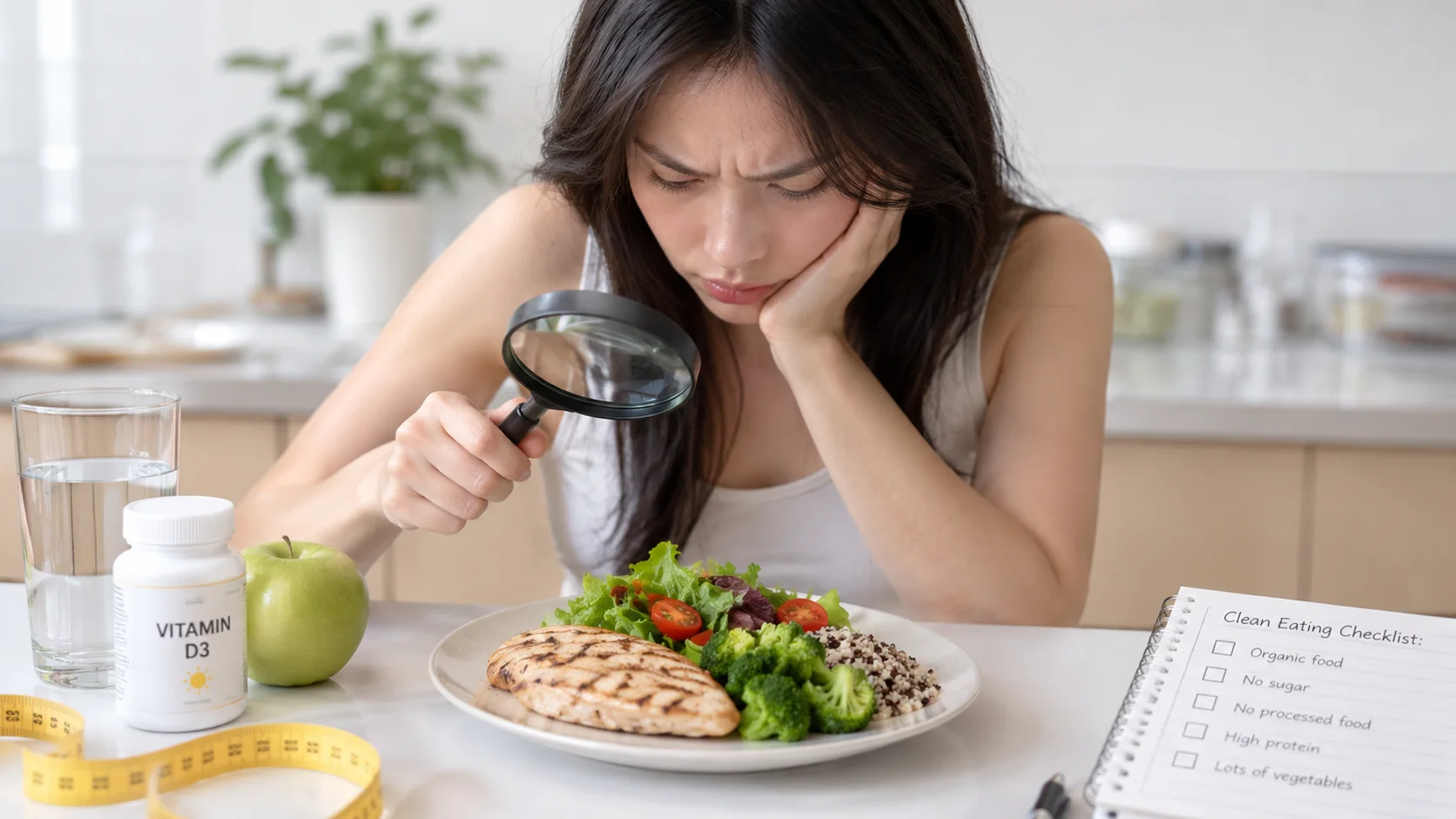
This phenomenon is related to orthorexia nervosa, an obsessive tendency toward foods perceived as healthy to the point that it disrupts daily life. This term is not yet an official diagnosis in the DSM-5 or international disease classifications. A study in the United States found a prevalence rate of under one percent, while student surveys in various countries report higher figures, depending on the measurement tools used. This uncertainty is no reason to ignore it; some people do not even have a term to describe their experiences.
The issue is not just how someone manages their diet, but also how standards for healthy food are formed. Healthy lifestyle information is easily found on social media, ranging from diets and exercise routines shared by influencers to products labeled “low sugar”, “clean”, or “natural”. Such information is helpful, but it becomes problematic when accepted as an absolute rule. In reality, medical conditions, activity levels, economic capacity, and food availability make everyone's bodily needs different.
When social media standards are applied without considering these differences, a person may feel guilty after eating. They may also view themselves as less concerned about their health for not following popular diets. Healthy living risks becoming an endless project because there is always a new diet considered better. The desire to care for the body can turn into pressure for constant self-improvement.
Public anxiety regarding the body becomes an opportunity for the industry to offer supplements and products labeled as healthy. The more anxious someone is about the food they consume, the more open they are to being persuaded to buy certain products. In Indonesia, in March 2025, the BPOM revoked the distribution permit for a supplement brand, WT, due to relabelling practices and excessive claims promoted massively. This case shows that “healthy” messages are not always neutral and can harbor commercial interests.
When health is continuously linked to specific products, the line between bodily needs and market pressure becomes blurred. The public may be driven to believe that healthy living can only be achieved through the consumption of certain goods. In fact, health should be a basic human need, not something that must be constantly purchased. Therefore, health information needs to be received critically, especially when accompanied by calls to buy products.
From the perspective of the sociology of health, an individual's condition cannot be separated from the social and economic environment in which they live. Health sociologist Vicente Navarro emphasizes that health is also determined by economic structures and power, not merely individual choices. This means that the ability to live healthily does not depend solely on personal discipline. Access to food, information, and healthcare services influences the opportunity to maintain health.
This condition is evident from the 2023 Indonesian Health Survey, which recorded that 96.7 percent of the population aged five and over have not met the recommended consumption of vegetables and fruits. The prevalence of diabetes in the population aged 15 and over reached 11.7 percent based on blood glucose tests. The Ministry of Health also noted that most diabetes cases remain undiagnosed or are not well-controlled. This data shows that health issues cannot be solved simply by asking the public to be more disciplined.
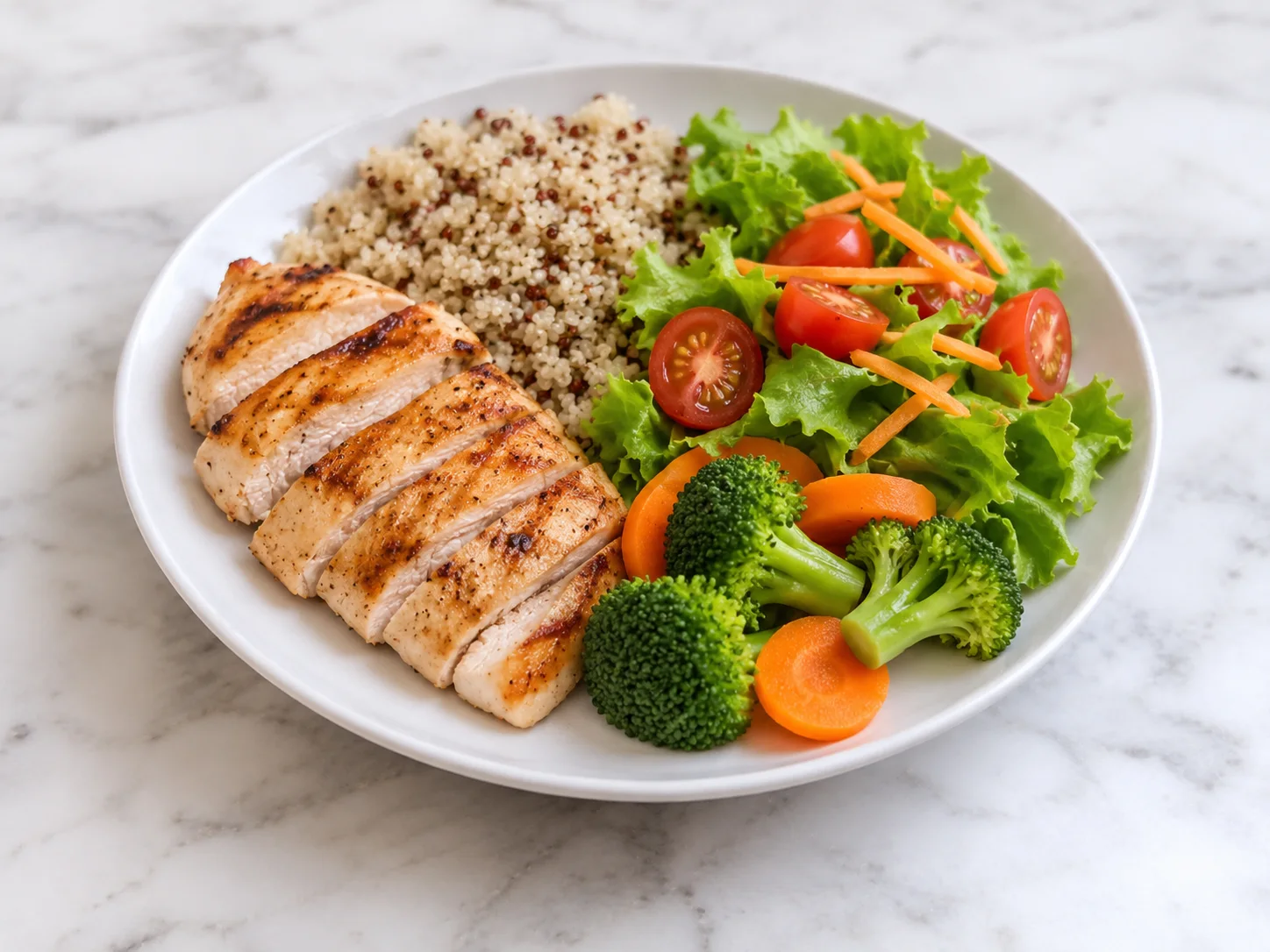
On one hand, there are people who overly restrict their food intake to chase certain health standards. On the other hand, many still lack access to nutritious food, clear information, or health screenings. Both conditions are different, yet both are related to the food environment and inequality of access. Therefore, diet should not be used as a measure of a person's morality.
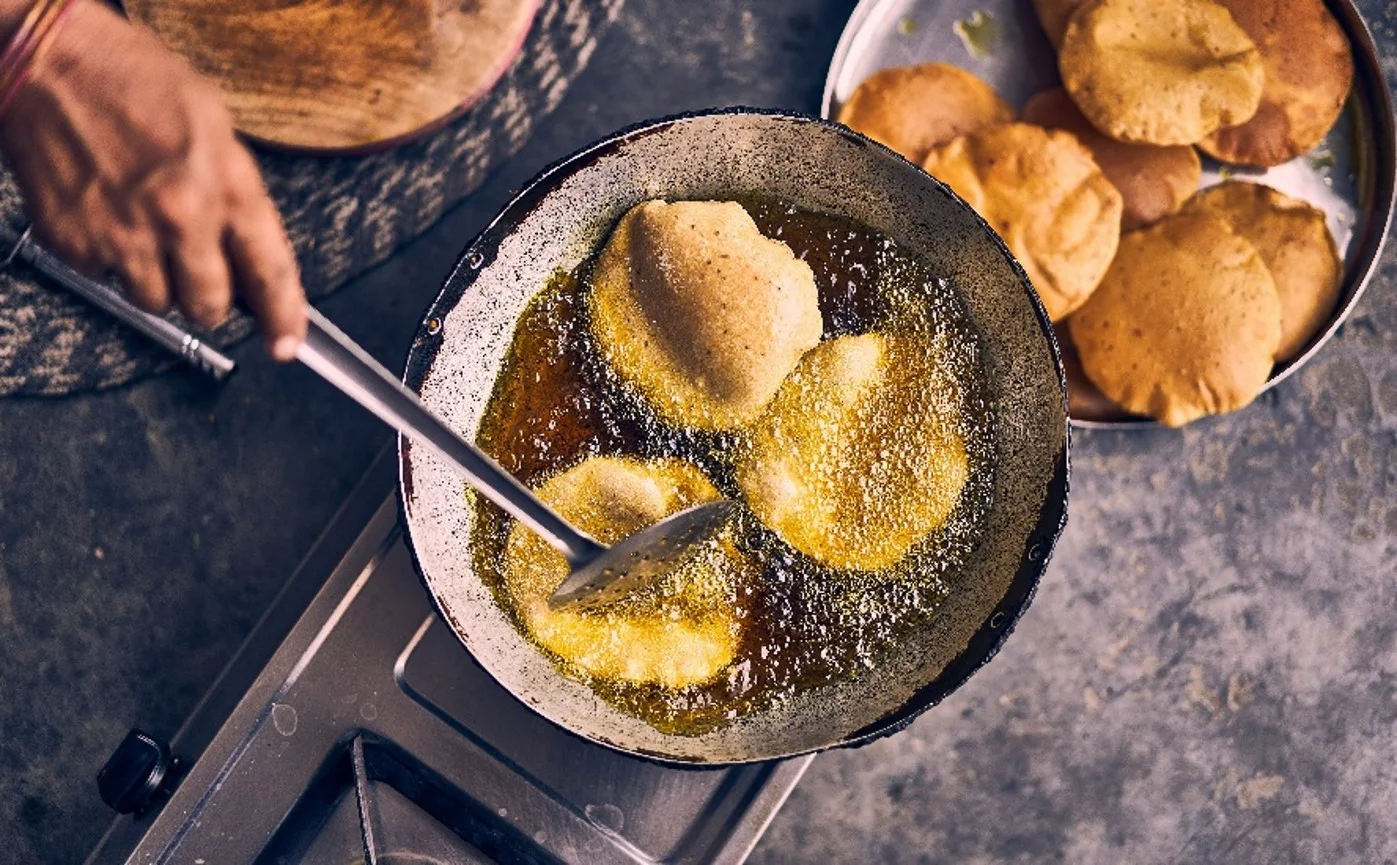
People who consume fried foods are not automatically negligent toward their bodies, just as those who cannot afford products labeled as healthy are not necessarily less concerned about their health. Discussing orthorexia nervosa does not mean that paying attention to healthy food is wrong. The problem arises when that attention turns into rigid rules, causes guilt, and disrupts daily life. Health should help a person live better, not become a source of pressure.
For this reason, steps are needed that do not focus solely on changing individual behavior. The BPOM, together with the Ministry of Communication and Digital, needs to monitor misleading health claims on social media, including paid influencer promotions, and mandate transparency when content is an advertisement. Digital platforms must also be held responsible for the health product advertisements displayed in their spaces. Meanwhile, the Ministry of Health needs to provide evidence-based nutritional education that explains bodily needs in a balanced way, rather than just a list of allowed and forbidden foods.
Ultimately, National Health Day should remind us that health is a right, not an achievement proven through perfect food choices. We need to be more critical in observing who shapes health standards and what interests lie behind them. Healthy living should not make someone feel inadequate or guilty about their food choices. Because health is not about being the most perfect human in choosing food, but about caring for oneself without losing the freedom to live life.





Comments 0
Write a Comment Share your response