

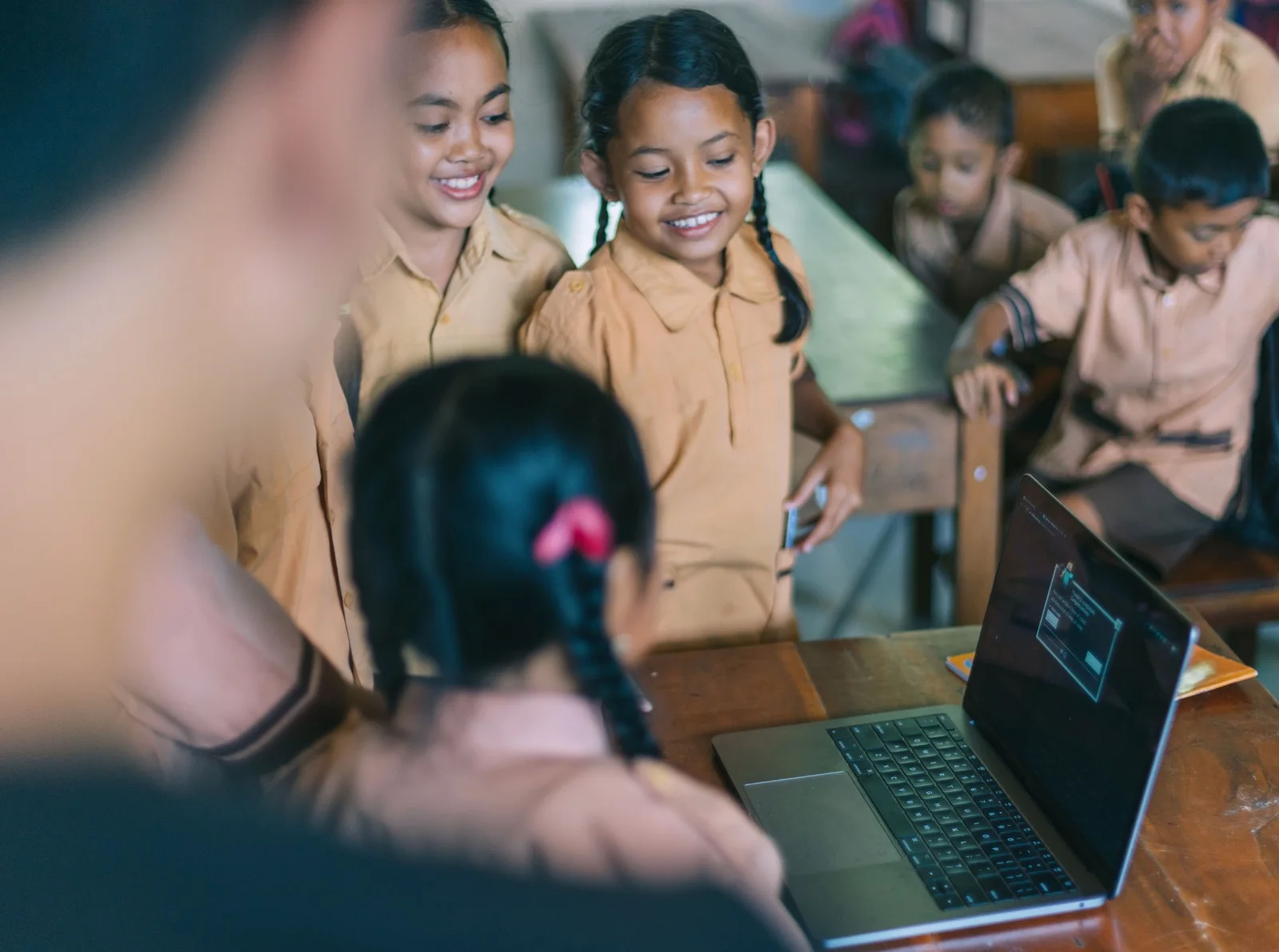
JurnalPost.com - The evolution of digital technology has transformed many aspects of human life, including how we teach and learn in schools. While learning once relied heavily on printed books, chalkboards, and direct instruction from teachers, a variety of digital devices and applications have now become integral to educational activities. Computers, the internet, educational videos, and interactive media offer students opportunities to acquire knowledge through more diverse methods.
This shift presents a significant opportunity for Indonesia's education sector. Technology can help teachers deliver material more engagingly while providing students with broader access to information. However, technological progress does not automatically guarantee improved learning quality. Its implementation must be aligned with educational needs to ensure it serves as more than just a symbol of school modernization.
School digitalization should be understood as a process of change that extends far beyond simply placing electronic devices in classrooms. Its success is determined not only by the sophistication of facilities but also by teachers' proficiency in using them, student readiness, and adequate infrastructure support. Without this balance, the use of technology risks widening the educational gap between schools.
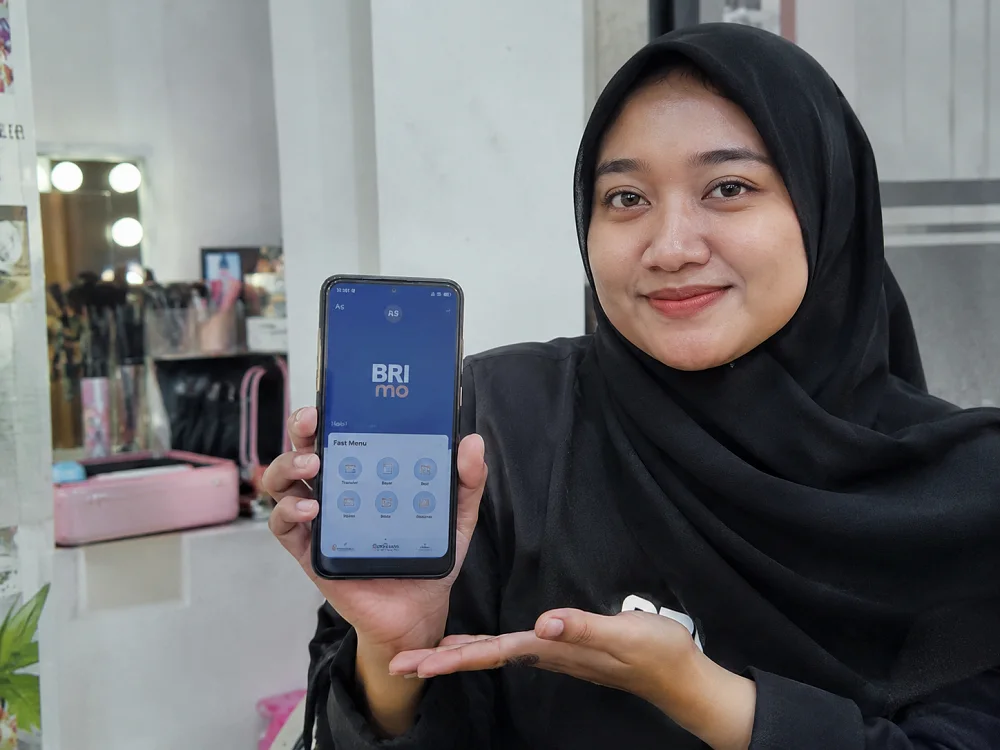
[PHOTO 1 – Digital learning, placed after the third paragraph]
Technology Opens Doors to More Diverse Learning Opportunities
The use of technology in education provides space for teachers to develop more creative learning methods. Lesson material no longer needs to be delivered solely through oral explanations or long readings; it can be supplemented with images, animations, videos, and interactive presentations.
Digital learning media can help students grasp concepts that are difficult to explain through text alone. For instance, scientific processes or subjects requiring visualization can be presented through animations, giving students a clearer understanding.
Furthermore, the internet allows students to access knowledge sources beyond textbooks. They can search for additional information, study material independently, and develop critical thinking skills through the various resources available.
Nugraha et al. (2022) explain that technology is widely utilized as a learning medium within hybrid learning environments in Indonesia. This highlights the role of technology in supporting educational processes that combine various learning approaches.
Nevertheless, the use of technology must have a clear purpose. Applications with attractive interfaces do not necessarily yield better learning outcomes if they are not accompanied by appropriate teaching strategies. Teachers must ensure that technology genuinely helps students understand the material, rather than simply making learning activities appear more modern.
Infrastructure Gaps Remain a Challenge
One of the primary issues in implementing school digitalization in Indonesia is the uneven access to technological facilities.
Schools in urban areas generally have greater access to internet networks and digital devices. Meanwhile, a number of schools in certain regions still face facility limitations that can hinder the implementation of technology-based learning.
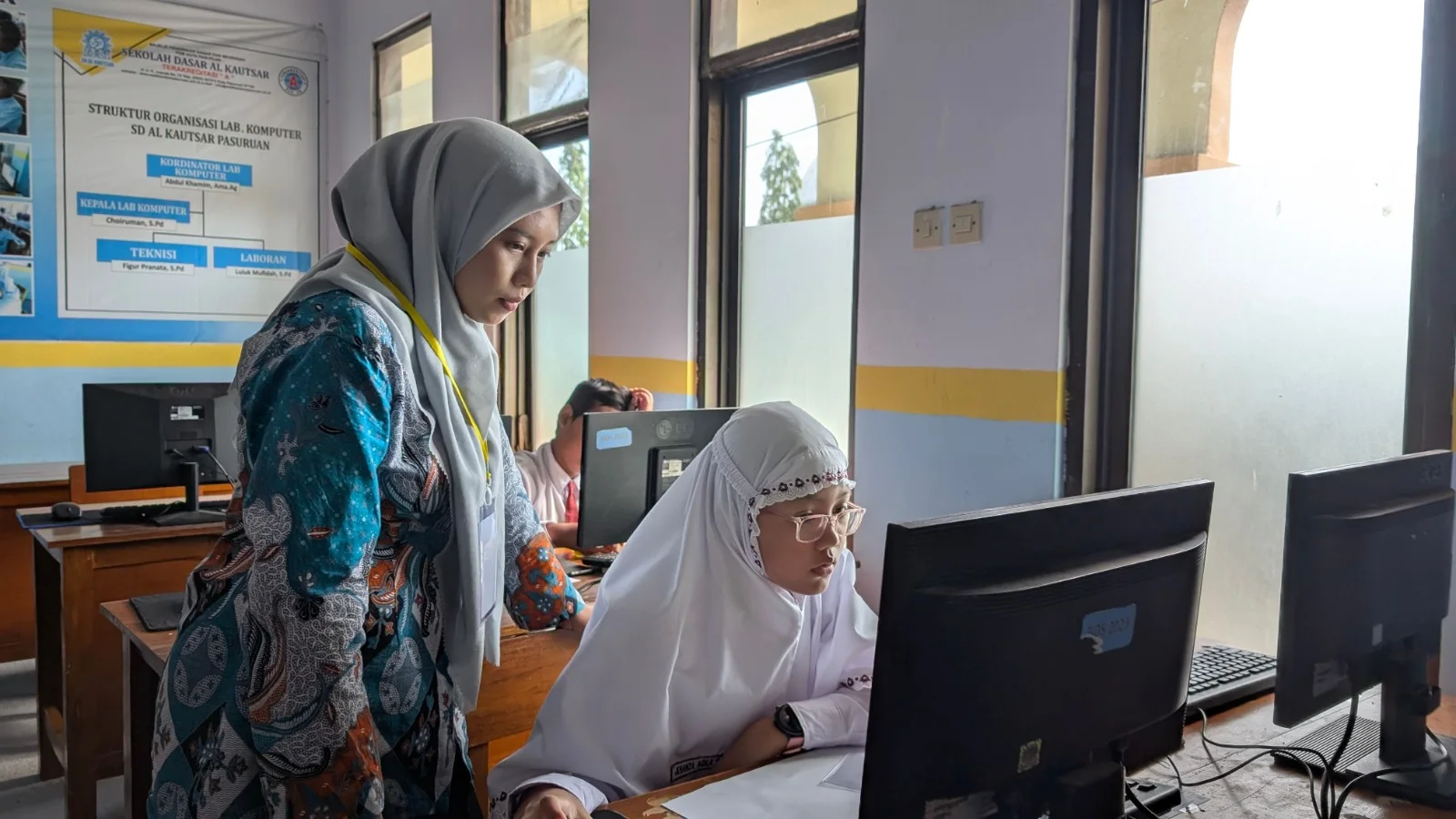
According to a publication by Statistics Indonesia (BPS) (2025), the percentage of the Indonesian population accessing the internet in 2024 reached 72.78%, while the percentage of households owning a computer was 18.52%.
These figures indicate that internet usage is not always accompanied by computer ownership. In an educational context, this condition requires attention because not all digital learning activities can be performed optimally using only smartphones.
Students who lack adequate devices may face difficulties when required to complete computer-based assignments or use specific applications.
On the other hand, the availability of devices in schools does not guarantee that their utilization will be maximized. Technological facilities require maintenance, stable networks, and technical support to be used sustainably.
Hutabarat and Hamise (2026) demonstrate that digital infrastructure has a positive and significant relationship with the intensity of digital learning utilization. These findings reinforce the importance of facility support in the application of educational technology.
Therefore, the equitable distribution of infrastructure must be a priority for the government and school authorities. Procurement of devices should not be oriented solely toward quantity but should also consider needs, regional conditions, and the sustainability of their use.
Teacher Readiness Determines Digitalization Success
Beyond infrastructure issues, teacher capability is a crucial factor inseparable from educational digitalization.
Teachers bear the responsibility of determining how technology is used in learning activities. The ability to operate a computer or application is insufficient if not accompanied by an understanding of appropriate teaching methods.
Rasimin et al. (2024) discuss various challenges in information technology-based social science learning in Indonesia, including issues regarding capability and experience in utilizing technology.
This indicates that digital transformation in schools must be supported by the continuous improvement of educator competencies.
In my view, technology training for teachers should not be limited to instances when schools receive new device grants. Training must be part of professional development so that teachers have the opportunity to continuously adapt their skills to technological advancements.
Training material should also not be limited to software usage. Teachers need to be equipped with skills to create digital learning media, select credible information sources, and design learning activities that align with student characteristics.
With these skills, technology can be used more purposefully rather than just serving as a supplement to learning activities.
However, one thing that must be understood is that technology cannot fully replace the role of the teacher. Education is not merely a process of information delivery; it also involves communication, mentorship, character building, and social interaction between educators and students.
Digital Literacy and Responsible Technology Use
The ease of obtaining information via the internet also brings new challenges to the world of education.
Not all information available in the digital space has a clear and accountable source. Students who lack strong digital literacy skills may struggle to distinguish factual information from false or misleading content.
Therefore, schools need to provide guidance so that students are not only able to use technology but also understand how to utilize it wisely.
The ability to evaluate information sources, protect personal data, and use digital devices responsibly has become an essential part of modern education.
The use of technology must also consider student concentration. Digital devices with numerous entertainment features can become a source of distraction if their use is not properly directed.
UNESCO (2023), through its report Global Education Monitoring Report 2023: Technology in Education—A Tool on Whose Terms?, emphasizes the importance of using technology based on educational needs and the necessity of maintaining the role of human interaction in learning.
This perspective serves as a reminder that technology should be a supporting tool, not the primary goal of education.
Schools need to implement technology use proportionally. Some material is more effectively delivered through digital media, but other activities require direct discussion, practice, and interaction between students.
Thus, quality learning does not always have to involve digital devices. The most important factor is the alignment of the method with the learning objectives to be achieved.
Modernizing Education Must Go Hand-in-Hand with Human Quality Improvement
School digitalization is an important step in facing the changing times. However, its success cannot be measured solely by the number of computers, the use of applications, or the availability of internet networks.
In my opinion, successful digitalization is that which is capable of providing real change to the student's learning experience and quality.
To achieve this, the government must pay attention to the equitable distribution of facilities, schools must ensure readiness for device usage and maintenance, and teachers must be given opportunities to develop digital competencies continuously.
Evaluation is also necessary to ensure that the use of technology truly provides benefits. Schools need to understand whether the devices used help students learn more effectively or instead introduce new obstacles.
Furthermore, the involvement of parents and the community is equally important, especially in supervising technology use outside the school environment.
Ultimately, the modernization of education is not merely about bringing the latest technology into the classroom. True progress occurs when technology is able to support human capacity to learn, teach, think critically, and grow.
Therefore, the improvement of digital facilities and the quality of human resources must go hand-in-hand. Schools need adequate technology, but more than that, education requires teachers and students who are capable of utilizing it appropriately.
If both aspects are addressed in a balanced manner, school digitalization can be a concrete step toward creating a more inclusive, adaptive, and high-quality Indonesian education system.
References
Statistics Indonesia (BPS). (2025). Statistik telekomunikasi Indonesia 2024. Statistics Indonesia (BPS).
Hutabarat, J. S., & Hamise, V. T. (2026). Infrastruktur digital dan kesiapan guru terhadap intensitas pemanfaatan pembelajaran digital. Jurnal Pendidikan dan Kebudayaan, 11(1), 136–163. https://doi.org/10.24832/jpnk.v11i1.7107
Nugraha, C. A., Iskandar, R., & Baeha, P. D. (2022). Technology integration trends in hybrid learning environments in Indonesia: A systematic literature review. Indonesian Journal of Curriculum and Educational Technology Studies, 10(2), 67–75. https://doi.org/10.15294/ijcets.v11i1.62125
Rasimin, Semma, A. B., Zakiyuddin, Ali, M., & Helmy, M. I. (2024). Multi-dimensional challenges in the Indonesian social science information technology-based learning: A systematic literature review. Heliyon, 10(7), e28706. https://doi.org/10.1016/j.heliyon.2024.e28706
UNESCO. (2023). Global education monitoring report 2023: Technology in education—A tool on whose terms? UNESCO. https://doi.org/10.54676/UZQV8501
[PHOTO 2 – Digital learning, placed at the end of the article]







Comments 0
Write a Comment Share your response