

JOMBANG, JurnalPost.com – Developing a business amidst shifting consumer behavior presents a unique challenge for Micro, Small, and Medium Enterprises (SMEs), particularly in rural areas. A reliance on seasonal sales and word-of-mouth marketing leaves many business owners struggling to reach customers and maintain stable income.
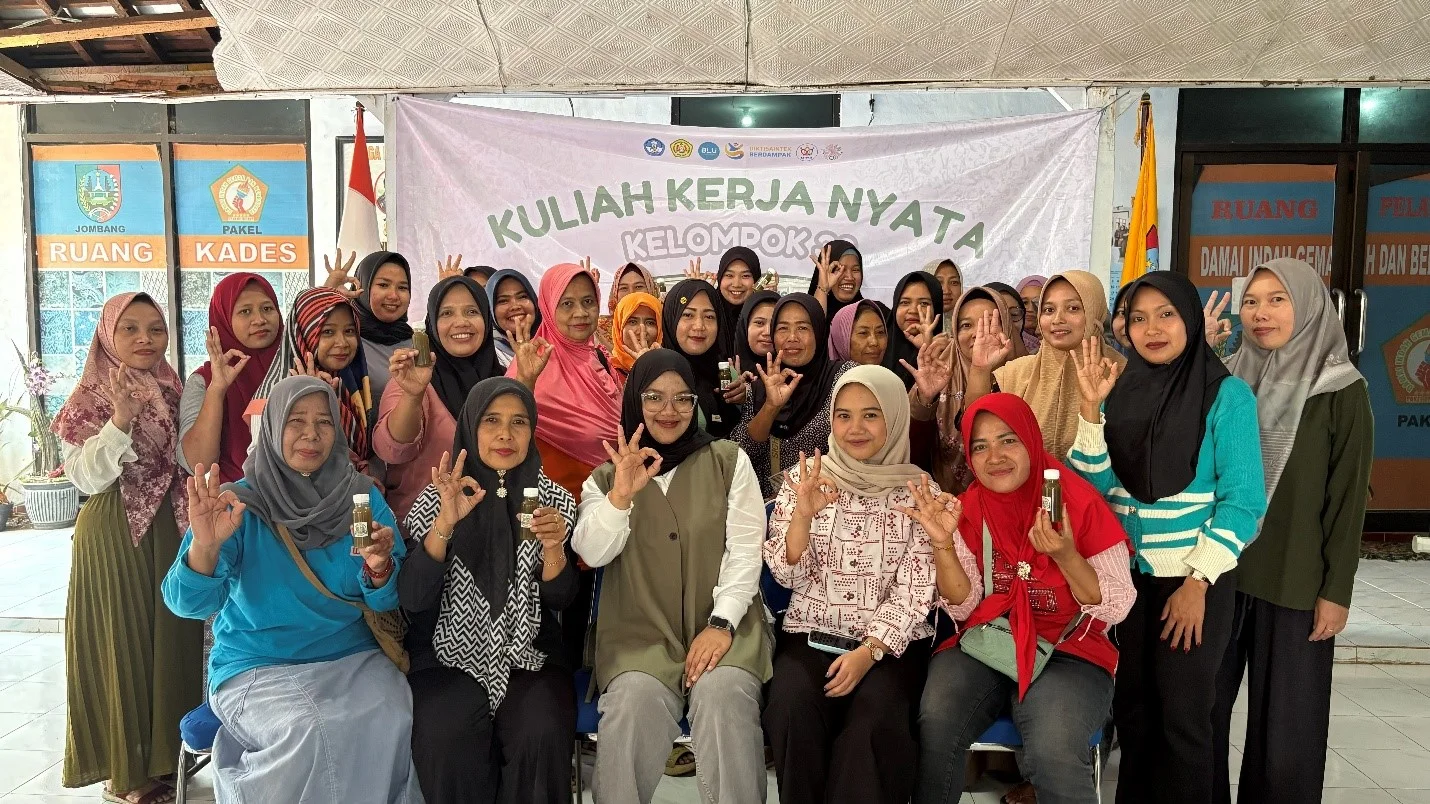
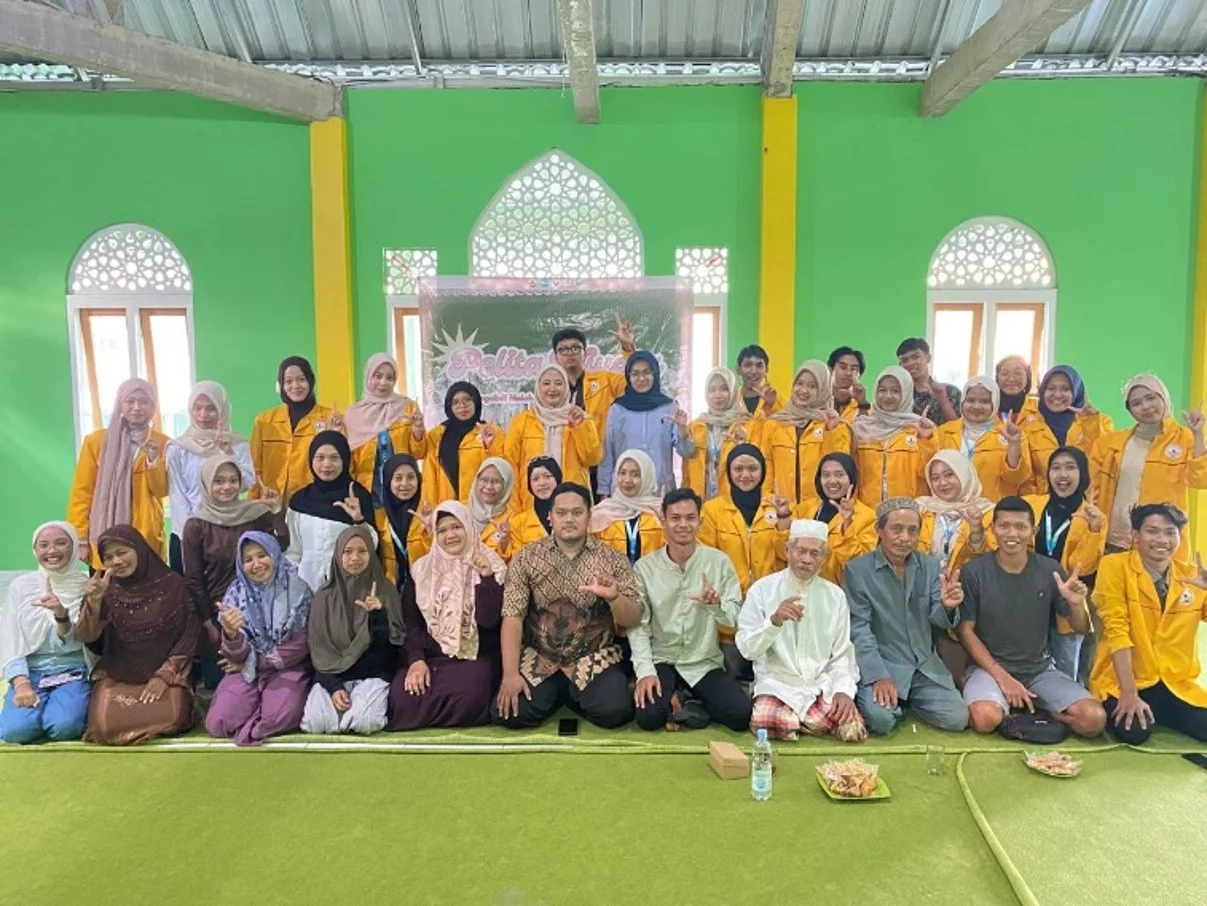
Recognizing this, students from the Community Service Program (KKN) Group 30 at the Universitas Pembangunan Nasional (UPN) “Veteran” East Java organized an SME empowerment workshop at the Pakel Village Hall, Bareng District, Jombang Regency.
The activity, which is part of the Impactful SDGs KKN Program of 2026 focuses on developing the creative economy and utilizing digital technology to support the long-term sustainability of village businesses.
Through this initiative, the students aim to introduce business management strategies that are not only oriented toward short-term profits but also consider the business's capacity to thrive in the long run.
Shifting from Seasonal Sales to Sustainable Business
During the educational session, Refiana Dwi Maghfiroh, S.M., M.M., introduced the concept of sustainable business to the SMEs of Pakel Village.
This concept emphasizes the importance of building a business with sound financial management, competitive products, and marketing networks that can reach customers consistently.
“Financial sustainability means creating a stable monthly cash flow, rather than relying solely on specific moments or festive seasons. Meanwhile, market sustainability requires active, continuous sales channels through social media, digital catalogs, and partnership networks,” explained Refiana during her presentation.
One of the primary concerns addressed is the sales pattern of some SMEs, which still rely on specific momentum such as harvest seasons, community events, or holidays.
When demand rises, product sales perform well. However, outside of these periods, business owners often face a decline in revenue due to limited customers and marketing channels.
This condition highlights the importance of more structured business planning so that operations are not just busy at certain times, but capable of maintaining sales activity throughout the year.
Beyond sales issues, limited promotion is also a challenge. Some SMEs still rely on local customers, while marketing opportunities through digital platforms have not been fully utilized.
Three Key Aspects of Building Sustainable SMEs
During the event, participants gained an understanding of three main aspects necessary for building a sustainable business.
The first aspect is financial sustainability, which is the ability to manage income and expenses to maintain business cash flow. Good financial management is essential to help SMEs meet operational needs while preparing for business expansion.
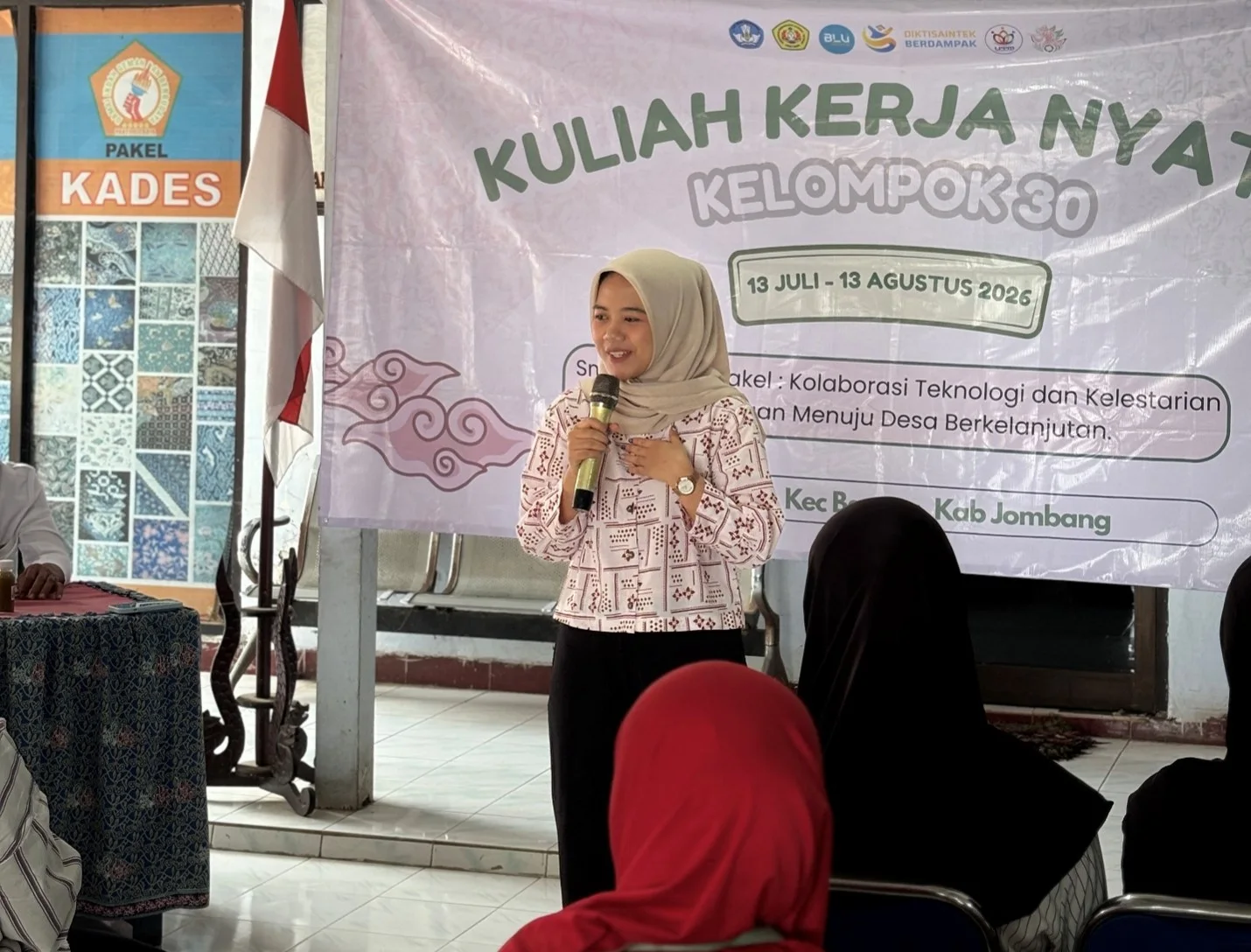
The second aspect relates to product sustainability. Business owners are encouraged to continuously improve product quality through processing innovation, implementing production hygiene, and using better packaging.
Products with maintained quality, attractive appearances, and adequate shelf life are considered to have a greater chance of being marketed consistently.
Meanwhile, the third aspect is market sustainability, which is the ability to retain customers while expanding marketing reach.
These three aspects are interconnected. Quality products require the right marketing strategy, while increased sales must be supported by financial management to ensure the business can continue to operate.
Digital Marketing Opens Wider Market Opportunities
In addition to discussing business management, the educational session introduced various digital platforms that SMEs can use to support their marketing activities.
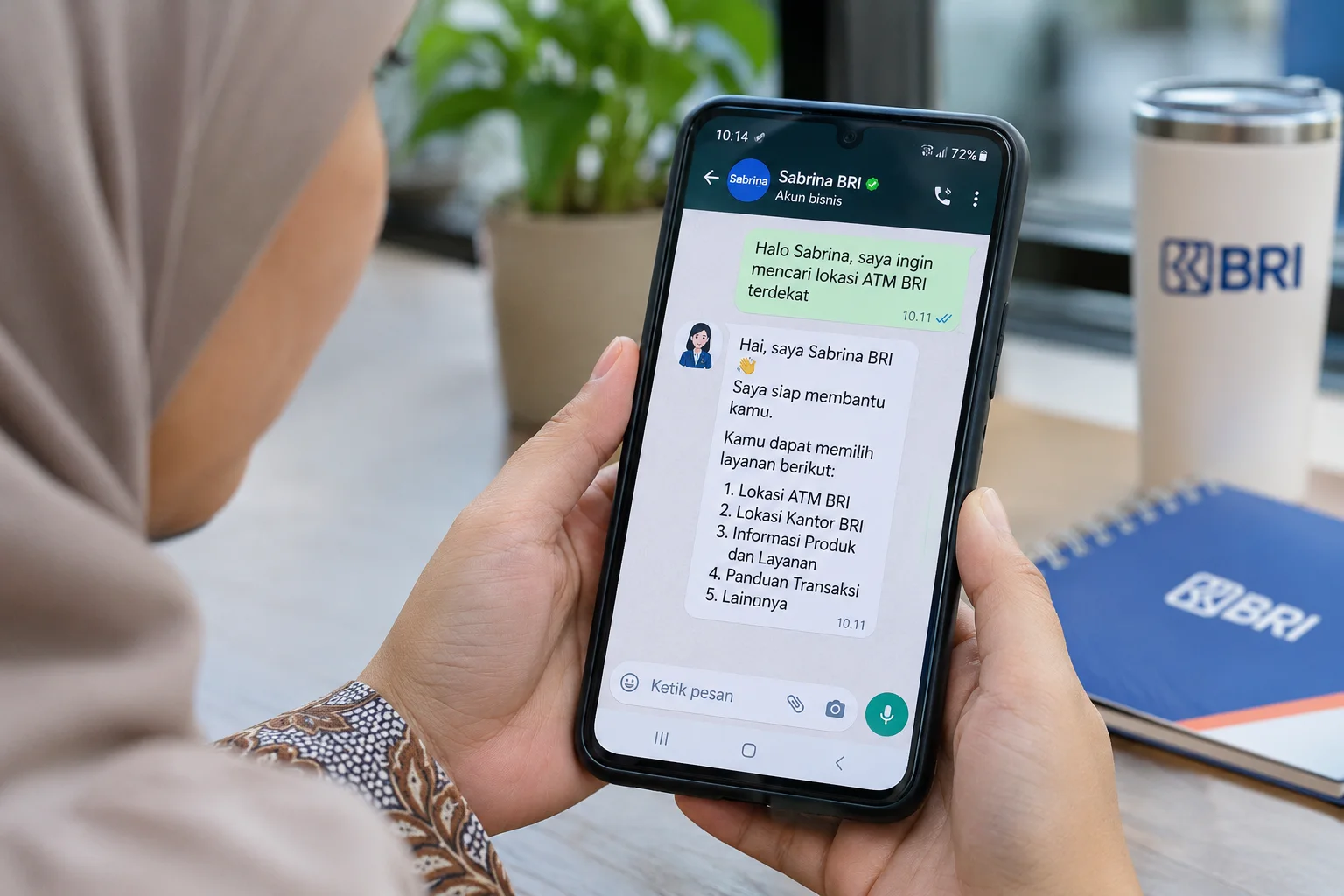
WhatsApp Business, for example, can be used as a tool for communicating with customers, receiving orders, and displaying product catalogs more practically.
Meanwhile, Instagram, TikTok, and Facebook can be utilized to introduce products through photos, videos, and promotional content tailored to consumer characteristics.
The use of digital catalogs and QR codes was also introduced as an alternative to make it easier for potential buyers to obtain information about the products offered.
Beyond social media, SMEs were also introduced to the benefits of registering their business locations on Google Maps. By clearly listing business information, consumers can find sales locations more easily.
The use of digital payments is also a step that can support transaction convenience, especially for consumers who are increasingly accustomed to using cashless payment methods.
These various technologies can be applied gradually according to the needs, capabilities, and conditions of each business owner.
Packaging and Brand Identity Are Equally Important
Technological developments have changed how people search for and purchase products.
Today, consumers can obtain information about a product without having to visit the business location in person. Product photos, descriptions, prices, and customer reviews can all be factors in the decision-making process before making a purchase.
Therefore, the use of digital platforms must be balanced with improvements in product quality and the strengthening of brand identity.
Attractive packaging and clear product information can help build a professional impression while making it easier for consumers to recognize the products offered.
Furthermore, service consistency, responsiveness to orders, and the ability to maintain quality are important factors in retaining customer trust.
Digital marketing is not just about having a social media account. More importantly, business owners need to understand how to use technology to build communication with customers, introduce product advantages, and create wider sales opportunities.
For village SMEs, digital marketing strategies can be a promotional alternative with relatively affordable costs compared to conventional marketing methods.
Encouraging Pakel Village SMEs to be More Independent and Competitive
Through this educational activity, students from KKN Group 30 of UPN “Veteran” East Java hope that Pakel Village SMEs will gain new insights into the importance of developing their businesses in a more planned and sustainable manner.
The transition from seasonal sales patterns to a more stable business certainly requires a process. Business owners need to adjust strategies to market conditions, improve financial management, enhance product quality, and begin utilizing digital media as a marketing channel.
This empowerment activity also serves as a form of student contribution in supporting the development of village economic potential through the application of knowledge acquired in higher education.
Ultimately, the success of an SME is not only measured by the volume of sales in a single period, but also by its ability to maintain business continuity, retain customers, and open opportunities for long-term growth.
Through strengthening the capacity of business owners and utilizing appropriate technology, Pakel Village SMEs are expected to become more adaptive, independent, and competitive in the midst of the digital economy's development.


Comments 0
Write a Comment Share your response