

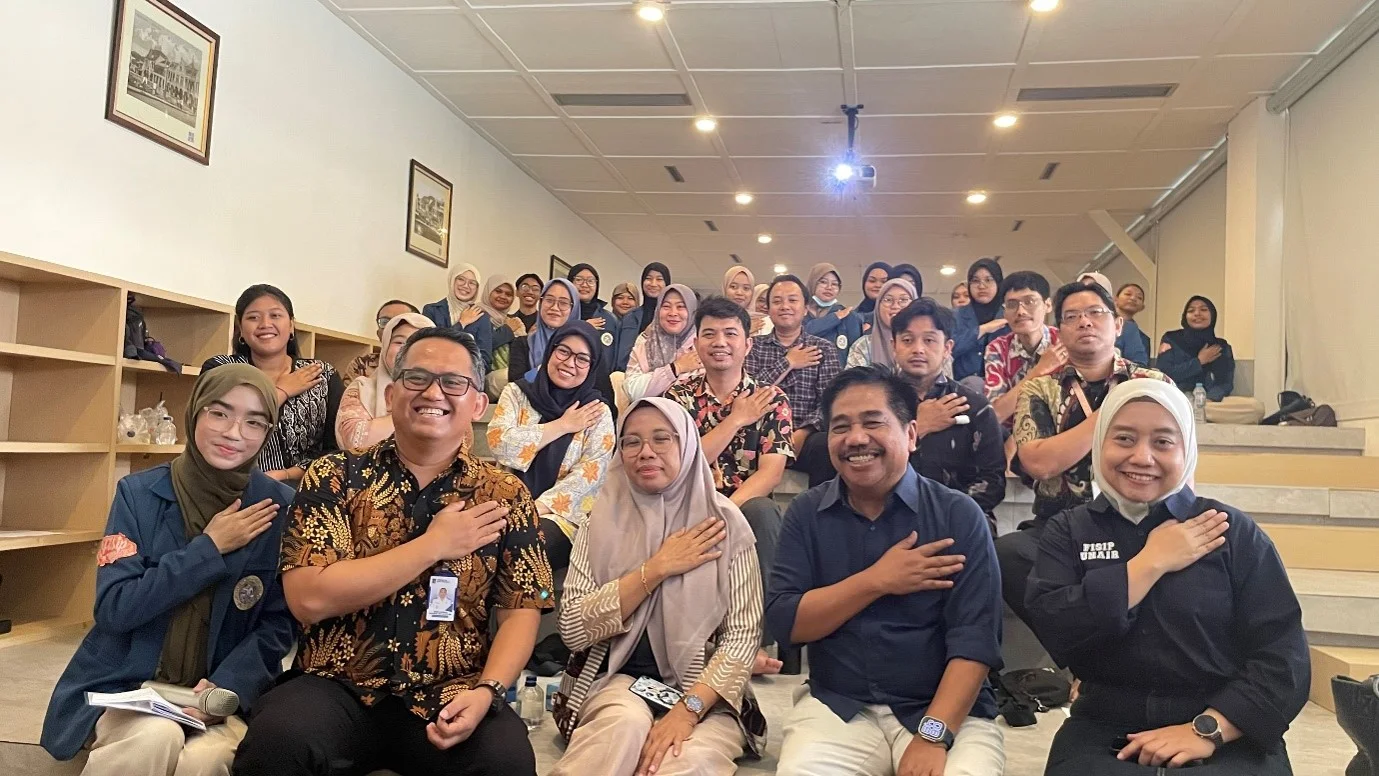
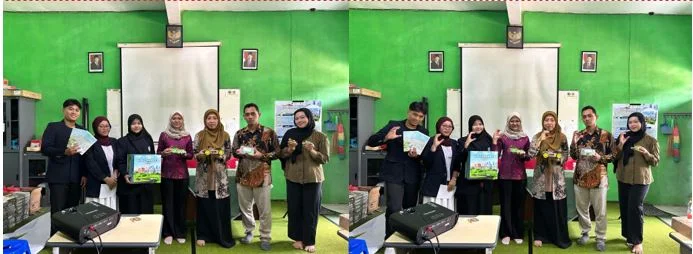
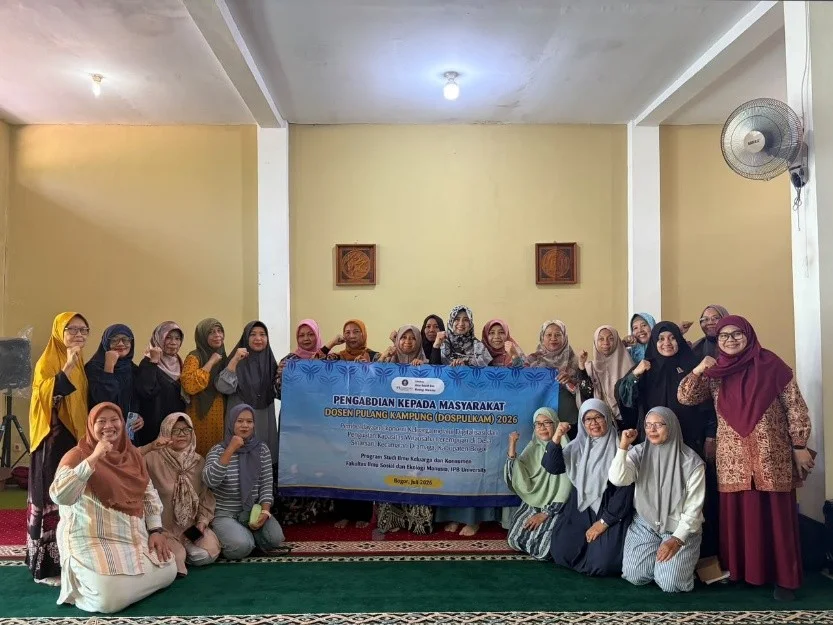
Surabaya, JurnalPost.com – The Department of Information and Library Science (IIP) at Universitas Airlangga (UNAIR), in collaboration with the Surabaya Department of Culture, Youth, Sports and Tourism and the Surabaya Museum and Cultural Arts Building Management Agency, held a competency-building workshop on public relations and marketing for museum managers on Thursday (5/11/2026).
The event, held at the Surabaya Education Museum on Jalan Genteng Kali Number 10, Genteng District, Surabaya, aimed to enhance the professionalism of museum managers, particularly in building public communication, developing marketing strategies, and providing superior visitor services.
This community service program is part of an effort to drive the transformation of museums, ensuring they are not merely repositories for historical artifacts but also evolve into engaging spaces for education, interaction, and cultural experiences.
Promoting the Strategic Role of Museum Public Relations
The event was prompted by various challenges in managing museum communications. Historically, the public relations (PR) function has often been viewed as a supplementary task rather than a strategic element in museum development.
This perception can lead to inconsistent information delivery, one-way digital communication, and uneven standards in visitor service and engagement.
Through this workshop, museum managers received training on PR concepts, public communication, marketing strategies, and the development of more professional visitor experiences.
One of the speakers, Dr. Suko Widodo, Drs., M.Si., emphasized the importance of communication, partnerships, and visitor experience in building a positive museum image.
“Museums do not just function as places to store historical objects; they are active, engaging public spaces that are close to the community. Surabaya has many museums to explore, and this material will provide better guidance,” said Suko Widodo.
According to him, museums need to provide experiences that build emotional connections with visitors. This can be achieved through compelling storytelling about collections, enjoyable interactions, and friendly staff service.
Visitor Experience as the Key to Museum Appeal
In his presentation, Suko Widodo introduced three essential stages in building a museum visitor experience, namely arrival, impression, and advocacy.
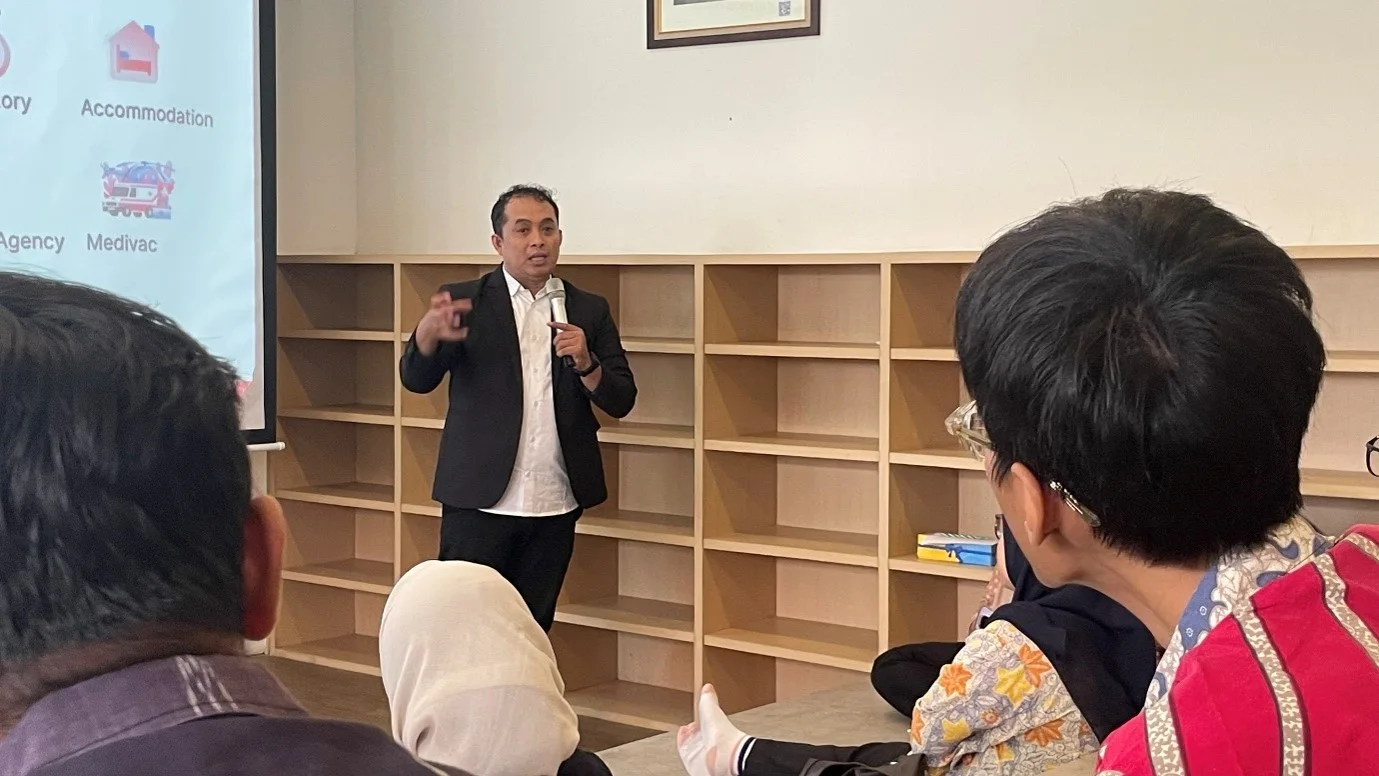
The first stage involves creating an appeal that encourages people to visit. Museums need to communicate the uniqueness of their collections, historical value, and the various activities available to visitors.
Once visitors arrive, managers must be able to provide a memorable experience. This experience stems not only from the exhibits but also from how information is conveyed, interactions with staff, and the comfort of the facilities.
The final stage is encouraging visitors to share their positive experiences with others. Recommendations from visitors can serve as an effective promotional tool while expanding the reach of information about the museum.
This approach demonstrates that the success of museum management is determined not only by the quality of collection preservation but also by the ability to provide communicative, friendly, and visitor-oriented public services.
Museum Marketing Strategy through Media, Communities, and Digital Content
In addition to PR training, participants received guidance on museum marketing strategies from Syamsul Qomar, Founder and CEO of Agendakota.
In his session, Syamsul explained that museum marketing cannot rely solely on disseminating information about collections and activities. Managers must also build relationships with various stakeholders to increase the museum's visibility and attract a broader audience.
Approaches that can be implemented include building relationships with journalists and media, involving communities in museum activities, establishing educational partnerships with teachers and schools, and consistently producing digital content.
Published content should also be tailored to the characteristics and needs of potential visitors. Museums can position themselves as places to learn history, spaces for community activities, or educational recreation destinations.
In the discussion regarding museum marketing funnels, Syamsul provided examples of the importance of tailoring promotional messages to the needs of different demographic groups.
“Museums and their managers must be able to advocate that the museum is relevant to their needs, for example, for friends who want to hang out or students who want to host an event at the Education Museum because they are interested in the information about the beautiful building, complete facilities, and free access,” explained Syamsul.
Through this approach, managers are expected to be able to develop communication strategies that do not just convey information, but also build interest and encourage people to visit.
Surabaya City Government Pushes for Improved Museum Quality
The event was attended by the Secretary of the Surabaya Department of Culture, Youth, Sports and Tourism, Irwan Andeska Machmudi, A.Md. LLAJ., S.T., M.M., and a representative from the Surabaya Museum and Cultural Arts Building Management Agency, Saidatul Maknunah, S.T.
On this occasion, Irwan expressed his views, which aligned with Saidatul’s, regarding the importance of changing public perception of museums.
Historically, museums have often been perceived as places that store old, uninteresting items. Therefore, improving the competence of managers is a crucial step toward strengthening service quality while introducing the historical and cultural wealth of Surabaya.
Through training and mentoring activities like this, managers are expected to gain new knowledge and skills that can be applied in their daily museum management activities.
Improving museum quality is also expected to increase public interest in visiting, both from Surabaya and other regions in Indonesia.
Toward a More Innovative Museum That Is Closer to the Community
The collaboration between Universitas Airlangga and the Surabaya City Government through this community service program is part of an effort to strengthen human resource capacity within the museum sector.
With a better understanding of public communication, visitor services, and marketing strategies, museum managers are expected to provide increasingly professional and innovative services.
The implementation of targeted PR strategies can also help museums build a strong identity, expand partnership networks, and increase community engagement through various educational activities.
Through this activity, museums in Surabaya are expected to grow as destinations for historical and cultural learning that not only present collections but also provide stories, experiences, and meaningful interactions for every visitor.
Author: Indah Nur Maulidya
Information regarding other activities of the Department of Information and Library Science at Universitas Airlangga can be accessed via Instagram @iipunairofficial.


Comments 0
Write a Comment Share your response