

SIDOARJO, JurnalPost.com – Economic limitations and a lack of understanding regarding legal procedures remain significant challenges for some members of the public in accessing justice. In reality, the courts provide various services that the public can utilize to obtain legal assistance or fee waivers for court cases.
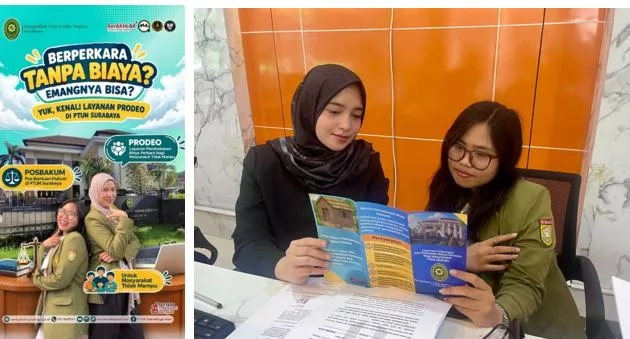
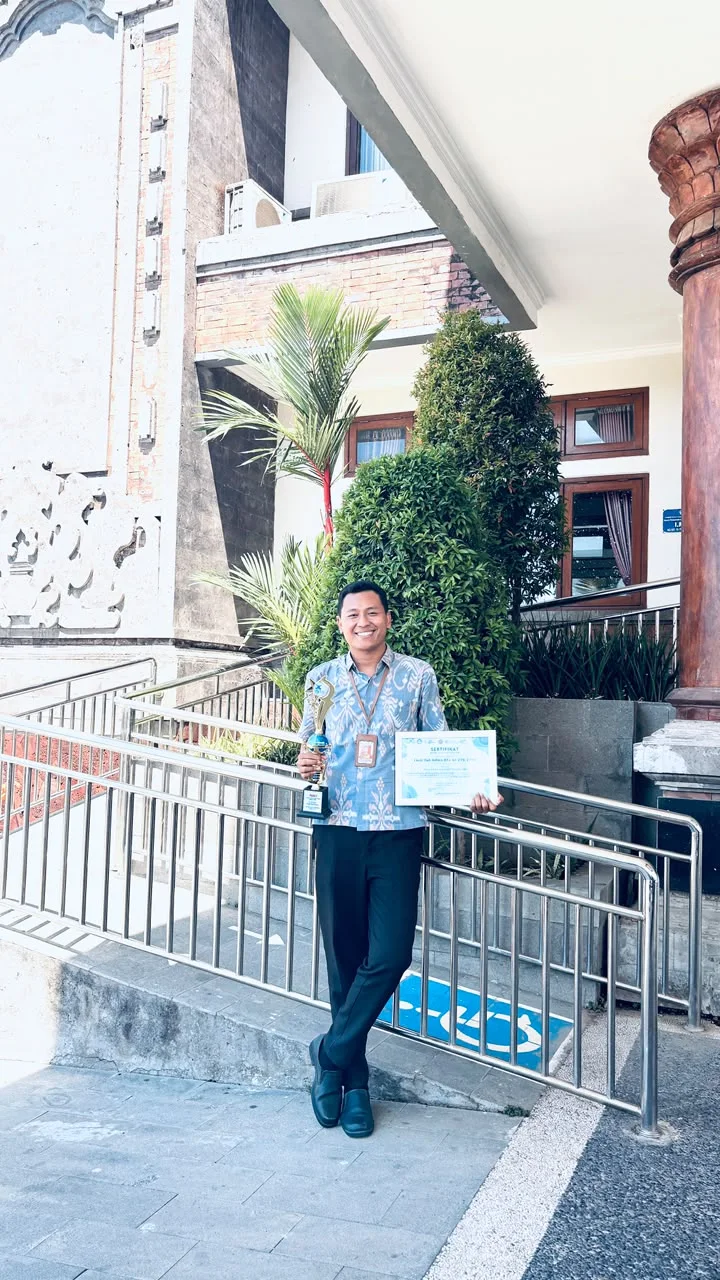
Addressing this issue, Nova Amalia Nohara, a student from the Public Administration Study Program at the Faculty of Social and Political Sciences (FISIP) of Universitas Pembangunan Nasional (UPN) “Veteran” East Java, initiated a digital legal outreach program by producing educational videos on Legal Aid Posts (Posbakum) and Fee Waiver services (Prodeo).
The activity was carried out at the Surabaya Administrative Court (PTUN) under the guidance of agency mentor Sudarti Kadir, S.H. The resulting educational videos have been published on the official social media channels of the Surabaya Administrative Court.
This initiative serves as an application of judicial administration competencies while simultaneously optimizing the public relations (PR) function in delivering information about court services to those seeking justice.
Improving Legal Literacy through Social Media
The creation of these educational videos stems from the importance of the principle that every citizen is equal before the law without discrimination.
Historically, limited understanding of litigation procedures and the misconception that accessing court services is prohibitively expensive have caused many to hesitate in pursuing their legal rights.
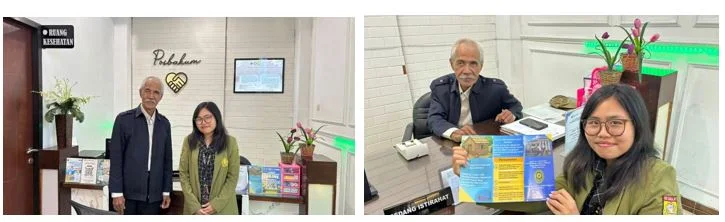
Through a digital communication approach, Nova aims to present legal information in a simpler, more engaging, and accessible format for a wider audience.
The video titled “Litigation Without Costs? Is It Possible!” published on the official Instagram account of the Surabaya Administrative Court covers the benefits, requirements, and mechanisms for accessing Posbakum and Prodeo services.
The use of social media is expected to broaden the reach of information while bringing court services closer to the public, who have previously faced barriers in accessing legal information.
Understanding Legal Aid Post Services
The provision of legal services for the underprivileged refers to Supreme Court Regulation (PERMA) Number 1 of 2014 concerning Guidelines for Providing Legal Services for the Underprivileged in Courts.
One of the available services is the Legal Aid Post, or Posbakum. This service is intended for individuals with limited economic means and/or limited access to legal information and consultation.
Through Posbakum, the public can obtain several services, including:
Information, consultation, and legal advice regarding the issues they are facing.
Assistance in drafting legal documents, including lawsuits and petitions.
Information regarding advocates or Legal Aid Organizations (OBH) that can provide pro bono legal representation.
The presence of Posbakum helps the public understand legal procedures before filing a case in court, including in the resolution of administrative disputes.
Prodeo Opens Access to Justice for the Underprivileged
In addition to Posbakum, the public can also utilize the Fee Waiver service, or Prodeo.
This service is a mechanism for waiving litigation costs for those who are economically disadvantaged. Through this mechanism, court costs are covered by the state in accordance with applicable regulations and budget availability.
With the Prodeo service, individuals facing financial constraints still have the opportunity to pursue their rights through the judicial system.
To apply for a fee waiver, applicants can provide supporting documents, such as a Certificate of Indigence (SKTM) from the village or sub-district government, proof of participation in government social assistance programs, or other documents issued by authorized agencies as evidence of economic hardship.
Meanwhile, for Posbakum service applications, applicants who do not possess such documents may submit a statement of inability to pay for advocate services, subject to the approval of Posbakum officers in accordance with applicable regulations.
The public can obtain further information regarding requirements and application mechanisms through official information channels or the service officers at the Surabaya Administrative Court.
Collaboration between Academics and Judicial Institutions
The production of this educational video is a form of applying public administration knowledge within a judicial institution.
Beyond administrative management, the activity provides students with experience in understanding the importance of public communication, information transparency, and the implementation of inclusive services.
The collaboration between students and the judicial institution through the use of digital media is expected to bring legal information closer to the daily lives of the public.
Delivering information through short videos, engaging visuals, and communicative language serves as an alternative for increasing public awareness of their rights as justice seekers.
Through this initiative, Nova Amalia Nohara is helping to foster a judicial service that is more accessible, transparent, and inclusive.
Economic limitations and a lack of knowledge regarding legal procedures should not be a barrier for the public to obtain justice. Ongoing legal education efforts are a vital part of realizing the principle of equality before the law.


Comments 0
Write a Comment Share your response