

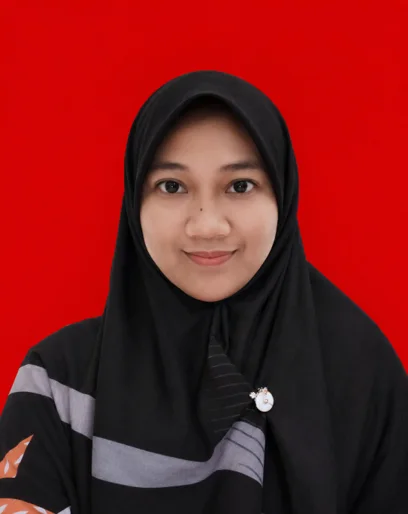
Mutia Ayu Dwika is a student in the Applied Bachelor's Program for Nutrition and Dietetics at the Health Polytechnic of the Ministry of Health in Palembang. Through her writing, she encourages the public to understand and apply the values of Pancasila in their daily lives, particularly in building tolerance, social awareness, unity, and justice.
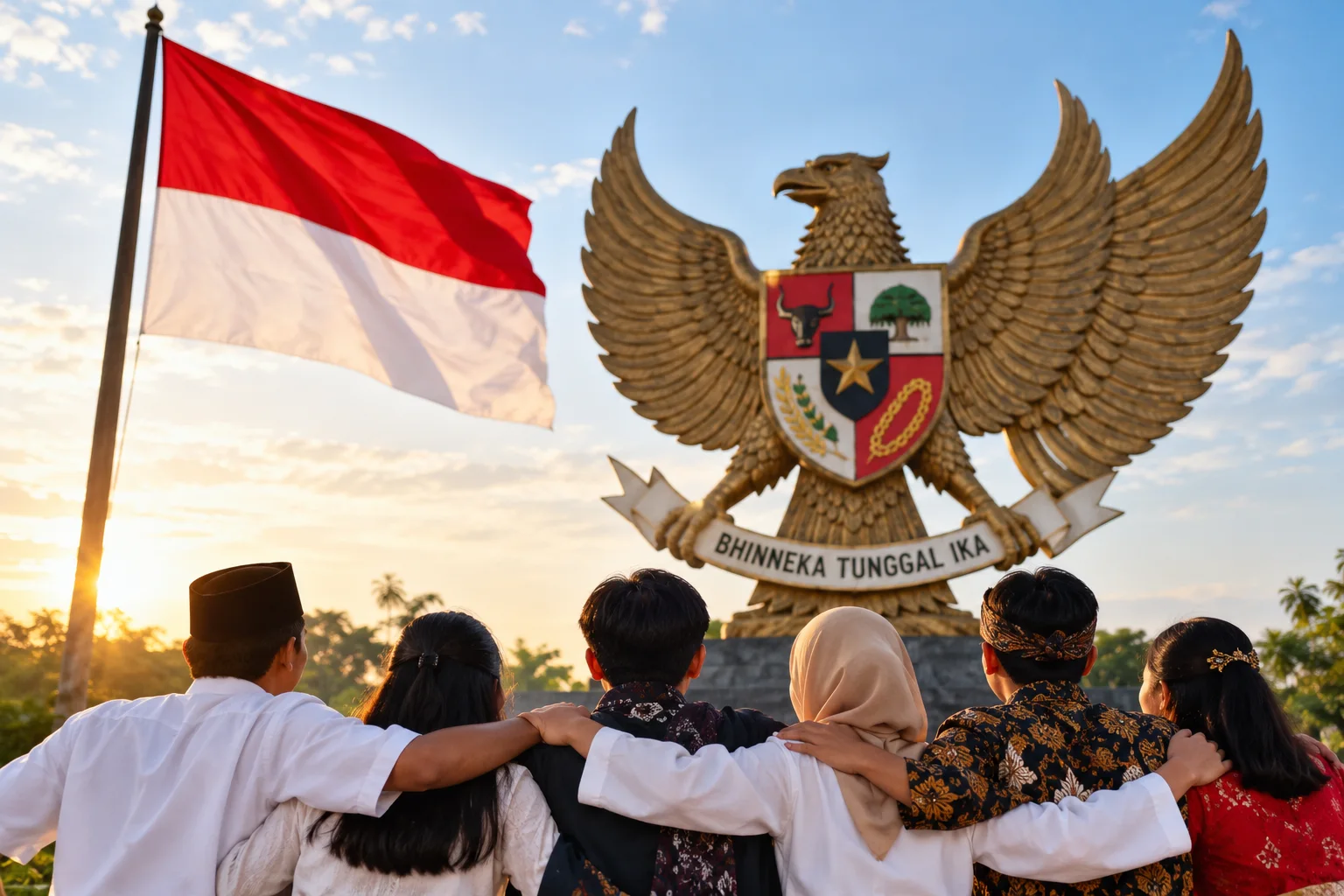
JurnalPost.com - Amidst an increasingly diverse society, the values of Pancasila play a crucial role in maintaining harmony, building social awareness, and strengthening unity. However, practicing Pancasila is not enough through the mere memorization of its five principles. These values must be manifested through concrete actions in daily life, including within our own neighborhoods.
As the foundation of the state and a guide for national life, Pancasila teaches society to respect one another, treat others fairly, and prioritize the common good. Its application can begin with simple things often encountered in community life.
Respecting Differences and Maintaining Tolerance
The first principle, Belief in the One and Only God, teaches the importance of respecting everyone's faith. In neighborhood life, this value can be applied by practicing one's own religion and beliefs, respecting the religious activities of others, and not imposing one's beliefs on anyone.
An attitude of tolerance is one of the keys to creating a peaceful environment. Differences in religion, customs, or backgrounds should not be reasons to create distance between community members.
On the contrary, diversity can become a strength if every individual has the awareness to respect one another and maintain good relationships with their neighbors.
Social Awareness Starts with Simple Things
The second principle, Just and Civilized Humanity, reminds us to treat everyone with kindness and full respect.
Social awareness does not have to be manifested through large-scale aid. Visiting a sick neighbor, helping residents in need, or being mindful of our words so as not to hurt others' feelings are also forms of practicing humanitarian values.
Such simple actions show that social awareness can start from within ourselves. When a community is accustomed to helping one another, relationships between residents will become closer and a sense of togetherness can flourish.
Awareness also serves as a reminder that every human being needs support and attention from their surrounding environment, especially when facing difficulties.
Mutual Cooperation as a Manifestation of Unity
The third principle, The Unity of Indonesia, can be realized through mutual cooperation (gotong royong) and active participation in community life.
Examples include cleaning the environment together, participating in community activities, and maintaining good relationships with neighbors regardless of their backgrounds.
Amidst our respective busy schedules, mutual cooperation serves as a reminder that community life requires collaboration.
Unity does not mean that everyone must have the same opinions and habits, but rather a willingness to live side-by-side and work together despite differences.
Through mutual cooperation, society not only completes tasks together but also builds a sense of belonging and responsibility toward their living environment.
Deliberation to Resolve Issues
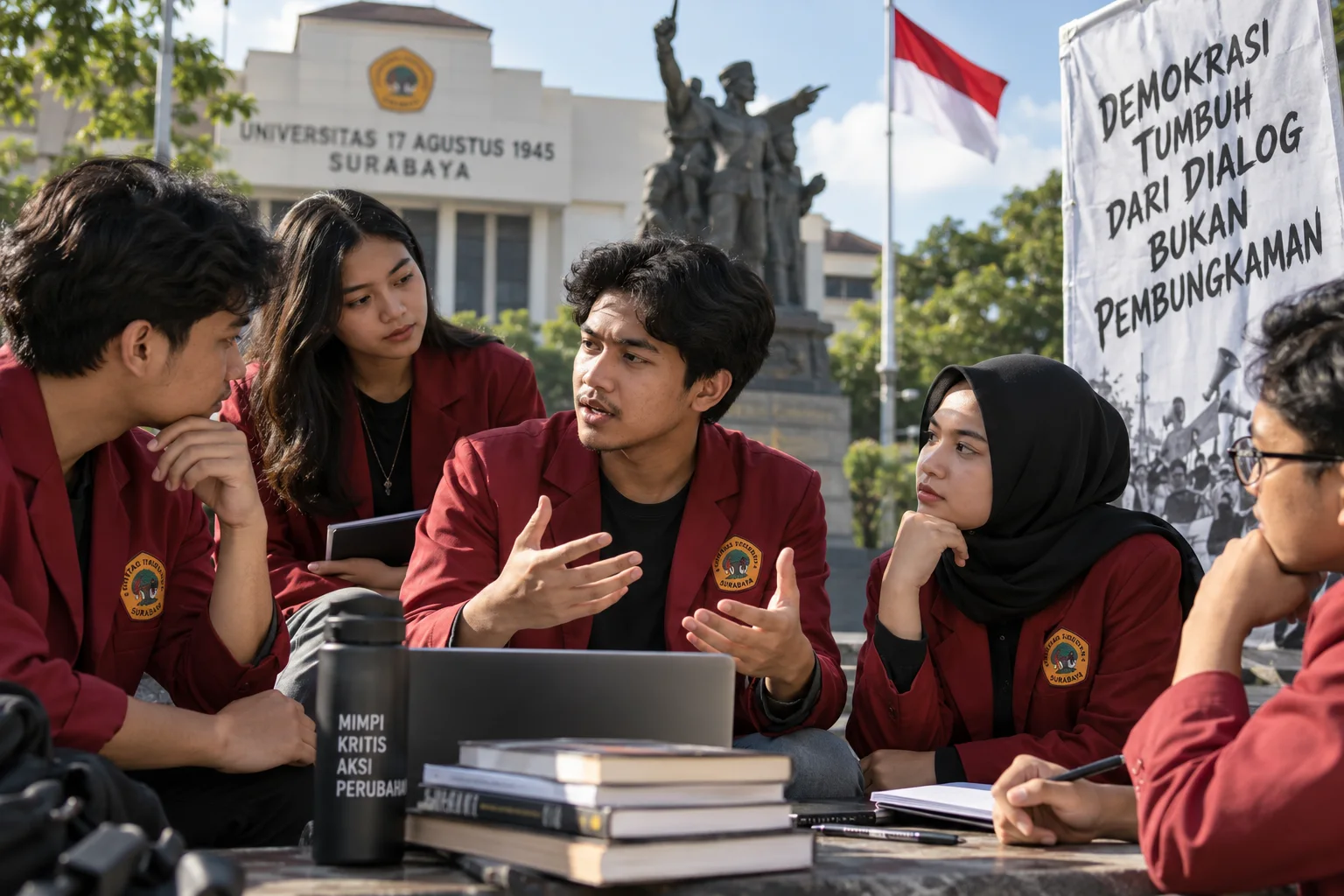
In community life, differences of opinion are natural. The fourth principle, Democracy Guided by the Wisdom of Deliberations among Representatives, teaches the importance of resolving issues through consensus.
When residents plan an activity or face environmental problems, everyone should be given the opportunity to express their opinions.
Decisions need to be made by considering the common interest, not just the desires of one party.
Through deliberation, society can learn to listen, respect the views of others, and accept collective agreements responsibly.
This attitude is important to prevent disputes while building the habit of resolving issues through good communication.
Justice Must Be Felt by All Citizens
The fifth principle, Social Justice for All the People of Indonesia, emphasizes the importance of fair treatment without discriminating against anyone based on economic status, occupation, age, or background.
In neighborhood life, justice can be realized by giving every resident an equal opportunity to participate in community activities.
Justice can also be applied through the fair distribution of tasks in environmental activities, according to the capabilities of each resident.
Thus, responsibility is not only burdened on certain people but becomes a part of shared concern.
An environment that upholds the value of justice will help create a sense of security, comfort, and mutual respect among community members.
Starting from Ourselves
Practicing Pancasila does not require waiting for someone to hold a specific position or rank. Everyone has the opportunity to apply it, whether in the family environment, at home, or in broader social life.
As students, the application of Pancasila values is also an important part of character building. Attitudes of tolerance, awareness, mutual cooperation, deliberation, and justice need to be cultivated so they do not remain mere knowledge learned in the classroom.
Students are not only expected to understand Pancasila in theory but are also expected to be examples in applying its values through daily behavior.
Ultimately, Pancasila will become more meaningful if its values are truly present in the life of society. Change does not always start with grand actions but can grow through simple habits performed consistently.
By making Pancasila a guide in our daily lives, we can help build an environment that is peaceful, harmonious, and respectful of everyone.
Because maintaining the values of Pancasila is not just the responsibility of the government, but the responsibility of all Indonesian citizens.




Comments 0
Write a Comment Share your response