

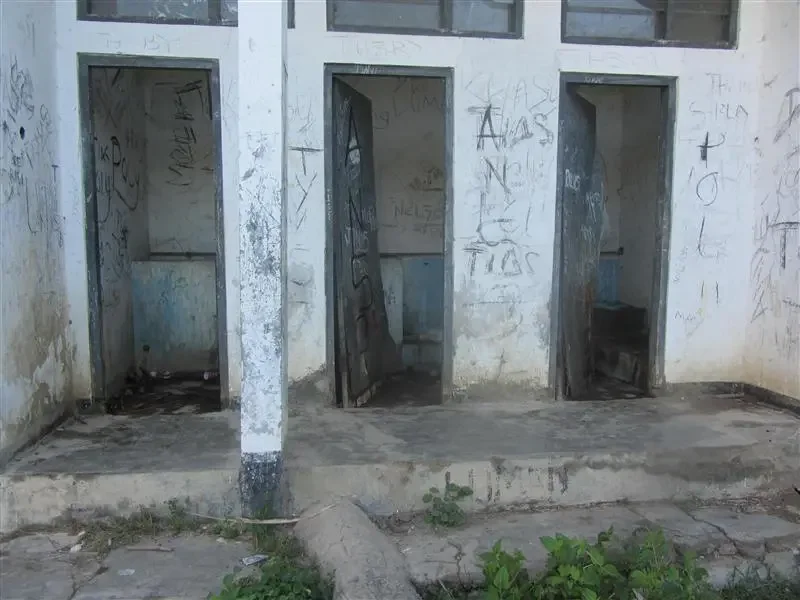
JurnalPost.com Public facilities should serve as resources that provide comfort, safety, and convenience for the community in their daily activities. However, the reality on the ground often tells a different story. Many facilities in public spaces and educational environments suffer from damage without receiving adequate attention.
Non-functional toilets, broken classroom doors, leaking roofs, and abandoned sports facilities are just a few examples of issues frequently encountered. These conditions are sometimes left unaddressed for months, eventually becoming normalized by their users.
In reality, proper facilities are not merely accessories to a building or environment; they are a vital part of the service that management is obligated to provide. When damage is consistently ignored, fundamental questions arise regarding the extent of management's responsibility in ensuring the rights and safety of the public.
The Imbalance Between Obligations and User Rights
The issue becomes increasingly serious when the available facilities are not commensurate with the financial obligations users must meet. In many educational settings or facilities that implement fee-based systems, users are still required to pay operational or maintenance costs even when the facilities are in poor condition.
This situation raises questions about how the collected funds are being utilized. The public naturally expects that every payment made is matched by adequate service, including the maintenance and repair of facilities.
If payment obligations continue to be enforced while damage remains unaddressed, frustration and distrust toward management are likely to grow.
In the author's view, the prolonged neglect of damaged facilities indicates a failure in management and the fulfillment of responsibilities. Management should not merely emphasize user obligations but must also ensure that their rights are met proportionally.
Balancing rights and obligations is a crucial principle in creating a fair relationship between service providers and the community they serve.
Facility Damage Is More Than Just a Comfort Issue
Damage to public facilities cannot be viewed as a minor issue related only to aesthetics or comfort. In certain conditions, such damage can pose safety risks to users.
For example, a rotting classroom roof could endanger students and teachers. Unstable desks and chairs can cause injury, while poorly maintained toilets can compromise hygiene and environmental health.
In an educational context, poor facility conditions can also affect the concentration and comfort of students during the learning process.
Therefore, facility maintenance should be treated as a primary necessity, not just an auxiliary task performed only when surplus budget is available.
From a legal perspective, the provision of facilities and services used by the public is linked to principles of protection, safety, and provider accountability. Law Number 25 of 2009 concerning Public Services, for instance, emphasizes the importance of providing services that meet standards and offer certainty to the public. However, the application of these rules depends on the type of service and the position of the management.
Consequently, the neglect of damage that potentially endangers users requires serious attention, especially if management is aware of the condition but fails to take adequate remedial steps.
Budget Constraints Should Not Be an Excuse for Neglect
One of the reasons frequently cited for facility repair issues is budget constraints and lengthy administrative processes.
In reality, not all damage can be repaired immediately. Procurement, budget planning, and the execution of repairs do indeed require specific procedures.
However, administrative hurdles should not be used as an excuse to leave facilities in a damaged state without any certainty of repair.
Management should be able to set priorities based on the severity of the damage and the risks involved. Facilities directly related to user safety must certainly receive attention before repairs that are merely cosmetic.
Furthermore, transparency regarding budget conditions is an essential aspect. If available funds are insufficient, management needs to provide a reasonable explanation regarding the obstacles faced, the follow-up plans, and the estimated timeline for repairs.
Such transparency is necessary so that the public understands the actual situation and does not constantly question the use of the funds they have paid.
Without clear communication, the issue of damaged facilities can evolve into a crisis of trust between users and management.
The Importance of Transparency and Oversight
To prevent the recurring neglect of facilities, a more open and accountable management system is required.
One step that can be taken is to provide periodic reports on the use of maintenance budgets. Through these reports, users can see how funds are managed, which facilities have been repaired, and what needs still require attention.
If indications of irregularities or discrepancies in fund usage are found, an investigation by the relevant authorities should be conducted in accordance with applicable regulations.
Additionally, management needs to have a schedule for routine inspections and maintenance. Such preventive measures are important so that minor damage does not escalate into larger problems that require significantly higher repair costs.
Facility users should also be provided with access to an easy, clear, and accountable complaint mechanism.
Complaints should not end with the receipt of a report. There must be measurable follow-up, ranging from inspecting the condition of the facility to communicating the results of the repairs to the complainant.
Meanwhile, the government or supervisory agencies with authority must ensure that management fulfills its responsibilities according to applicable rules and standards. If violations are found, administrative actions or sanctions must be based on the results of investigations and relevant legal provisions.
Responsibility Must Not End with Fee Collection
Ultimately, the quality of a facility is determined not only by the completeness of the infrastructure available from the start but also by the seriousness of the management in maintaining it.
The collection of fees or operational costs should go hand-in-hand with a commitment to providing decent service. Users should not be burdened with obligations without receiving adequate attention to the condition of the facilities they use.
Management must understand that safe, clean, and well-functioning facilities are part of a responsibility that must be carried out continuously.
The public also has an important role in maintaining facilities and reporting damage when they find it. However, user participation cannot be used as an excuse to shift the entire responsibility for maintenance onto them.
It is time that the neglect of damaged public facilities is no longer considered a normal state of affairs. Repairs, budget transparency, and oversight must become part of a culture of responsible management.
Because the measure of a manager's success does not lie in how routinely fees are collected, but in the extent to which the facilities entrusted to them truly provide benefits, comfort, and safety to the community.








Comments 0
Write a Comment Share your response