

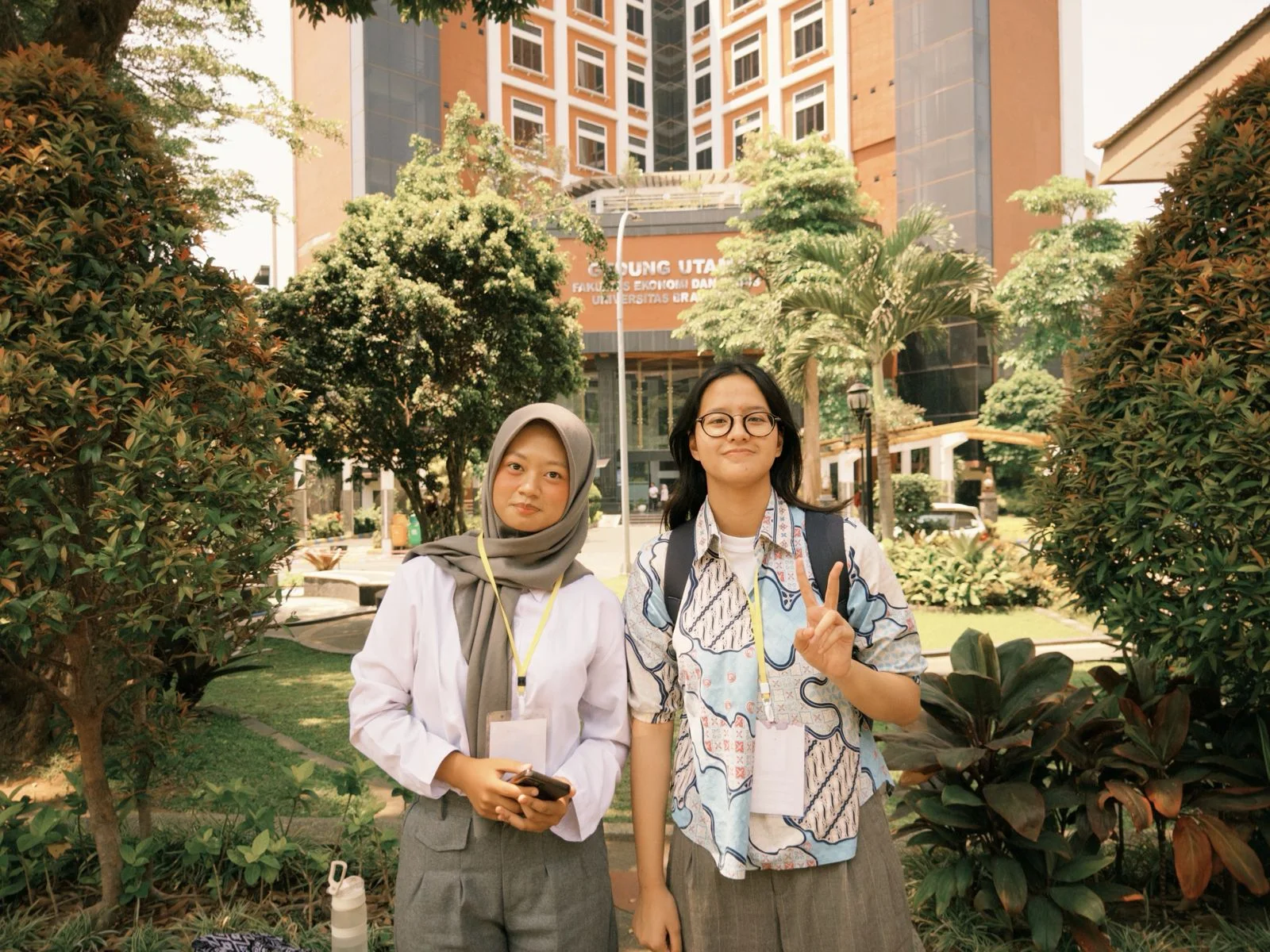
The use of a hybrid language combining Indonesian and English has become a staple of student communication. However, research involving six freshmen from the Development Economics program at Universitas Brawijaya indicates that this modern linguistic style does not necessarily create a sense of closeness for everyone.
By: Group G Class B6K
Development Economics Study Program, Faculty of Economics and Business, Universitas Brawijaya
MALANG, JurnalPost.com – The phenomenon of using a hybrid of Indonesian and English, popularly known as 'Jaksel' language, is becoming increasingly common in the daily conversations of the younger generation. Beyond its growth on social media, this communication style has also become a part of student interactions within university environments.
For some students, inserting English terms while speaking is considered normal. However, for others, this habit can actually create a communication gap, especially when the terms used are not understood by the listener.
This phenomenon has drawn the attention of Group G, Class B6K of the Development Economics Study Program, Faculty of Economics and Business (FEB), Universitas Brawijaya, through research on freshmen's perceptions of using 'Jaksel' language to build personal branding.
The study involved six freshmen as informants through interviews conducted from 14–15 October 2026. The results reveal differing perspectives on the relationship between linguistic style, self-image, and social closeness.
Jaksel Language and the Impression of Modernity on Campus
The use of 'Jaksel' language is often associated with a modern, flexible communication style that keeps pace with the times. Mixing Indonesian and English is a hallmark easily recognized in informal conversation.
Based on the interviews, some informants view this habit as projecting an image of someone who is broad-minded and open to cultural developments.
In the context of campus social life, linguistic style can also be a way for individuals to present themselves to others. Word choice, the way opinions are delivered, and the ability to adapt communication can influence the impression formed during an interaction.
Nevertheless, the use of 'Jaksel' language is not always a strong determinant of one's self-image. The ability to communicate clearly, depth of knowledge, and interpersonal attitude remain crucial.
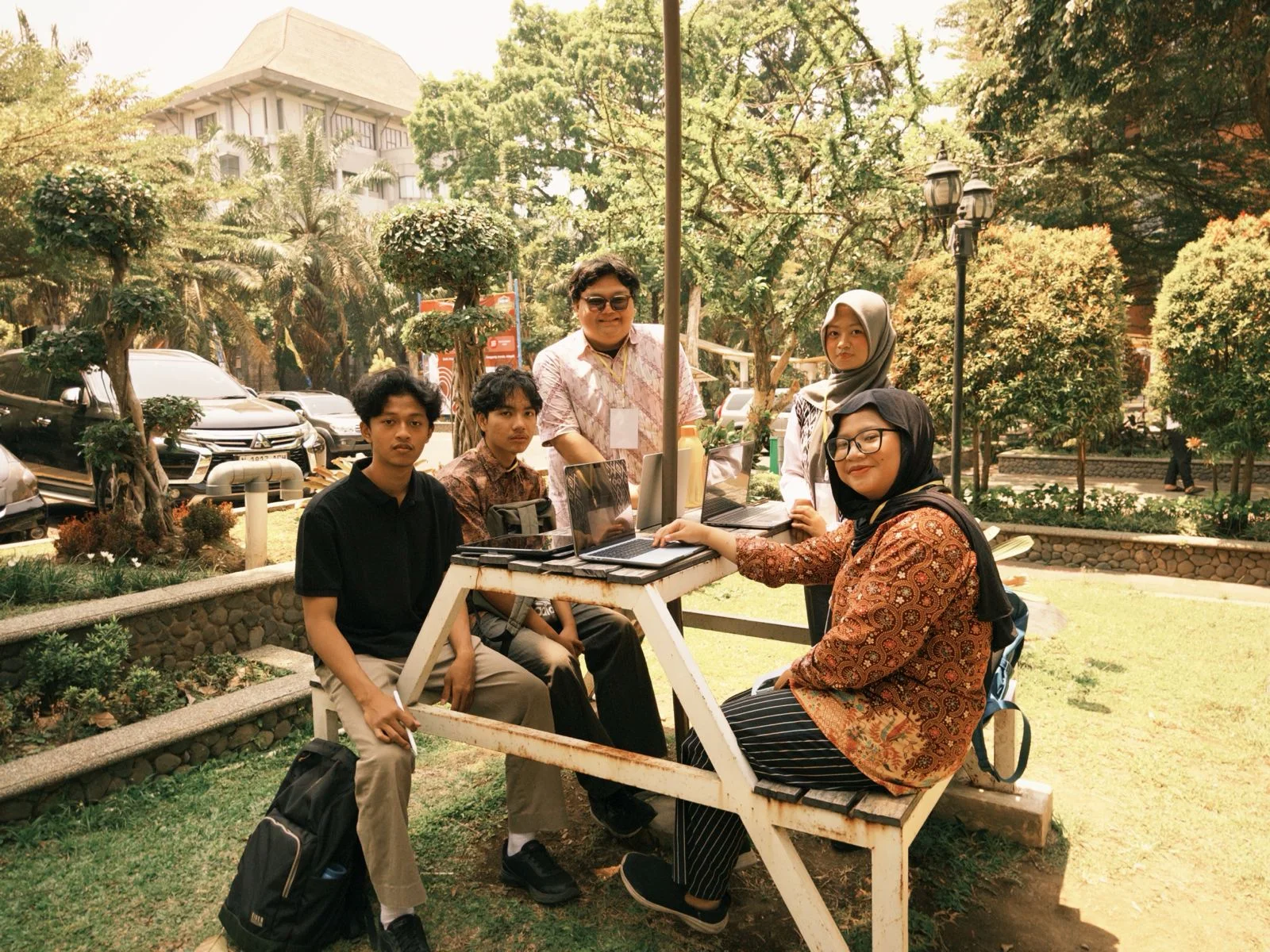
Especially in an academic environment, students face diverse communication situations, ranging from casual chats with friends to formal presentations and discussions that require more structured language.
The Influence of Social Media and Peer Environments
The habit of using 'Jaksel' language cannot be separated from the influence of the social environment. Social media serves as a space where various popular terms evolve and are subsequently adopted into daily life.
Expressions that frequently appear in digital content and peer conversations can become part of an individual's linguistic habits.
The research results show that the use of mixed terminology is not always driven by a desire to build a specific image. In some situations, students use it spontaneously because they are accustomed to hearing similar expressions within their peer groups.
This indicates that language does not only function to convey information but is also linked to social habits and communication experiences.
On one hand, using the same language can help create a relaxed atmosphere and build a sense of camaraderie. On the other hand, this habit has the potential to hinder communication when the listener does not understand the terms being used.
When Familiar Language Creates Distance
One interesting finding from the interviews is the difference in perception regarding the comfort of using 'Jaksel' language.
A communication style that feels familiar to some students does not necessarily provide the same experience for others.
Differences in linguistic habits, social experiences, and peer environments can influence how someone interprets a conversation.
In a campus life that brings together students from diverse backgrounds, the ability to adapt one's language is important for effective communication.
Using mixed language is not inherently something to be avoided. However, its use should consider the situation and the listener's ability to understand the message.
Good communication is not determined solely by how interesting the vocabulary is, but also by the ability to convey ideas clearly and ensure the message is received accurately.
Personal Branding Is Not Built Through Language Alone
In the formation of personal branding, communication style can indeed be an element that influences first impressions.
However, the interview results show that the use of 'Jaksel' language is not the only factor determining how students are perceived in social or academic settings.
The ability to express opinions, one's knowledge, attitude toward others, and daily behavior all contribute to the formation of self-image.
Students who are able to use language appropriately according to the situation have the opportunity to build more inclusive communication.
In official forums, for example, the use of clear and accessible Indonesian is still necessary for ideas to be conveyed effectively. Meanwhile, mixed language can be used in informal conversations if it aligns with the habits and comfort of the parties involved.
Thus, the ability to adapt in language use becomes an important part of a student's communication skills.
Respecting Differences in Communication Styles
The research by Group G, Class B6K of FEB Universitas Brawijaya provides an overview of the diverse perceptions freshmen have regarding the use of 'Jaksel' language.
However, the limited number of informants means these results cannot be used to represent the views of all Universitas Brawijaya students or to draw conclusions based on regional origins.
These findings are better understood as a snapshot of the communication experiences of six freshmen in navigating the 'Jaksel' language phenomenon within their social circles.
Ultimately, 'Jaksel' language is a form of evolving communication style that grows alongside the changing habits of the younger generation.
Its use can help build a relaxed conversational atmosphere while serving as a way for individuals to express themselves.
However, closeness in campus social life is not built solely through shared terminology or speaking styles. Mutual respect, openness to differences, and a willingness to understand the listener are the foundations of more meaningful communication.
Language may continue to evolve with the times, but its primary purpose remains the same: to connect people through messages that can be mutually understood.
Research source: Group G Class B6K (2026), Perceptions of Development Economics Freshmen at the Faculty of Economics and Business, Universitas Brawijaya, Regarding the Use of 'Jaksel' Language Style in Building Personal Branding. Based on Chapter III, Chapter IV, and interview notes from 14–15 October 2026.
Research team: Era Diana Vinda, Kenneth Nathan Deirich Abell, Ruvelyn Fathia Putri, Rahmadi Harsono, and Sunu Imtiyaz Wicaksono.







Comments 0
Write a Comment Share your response