

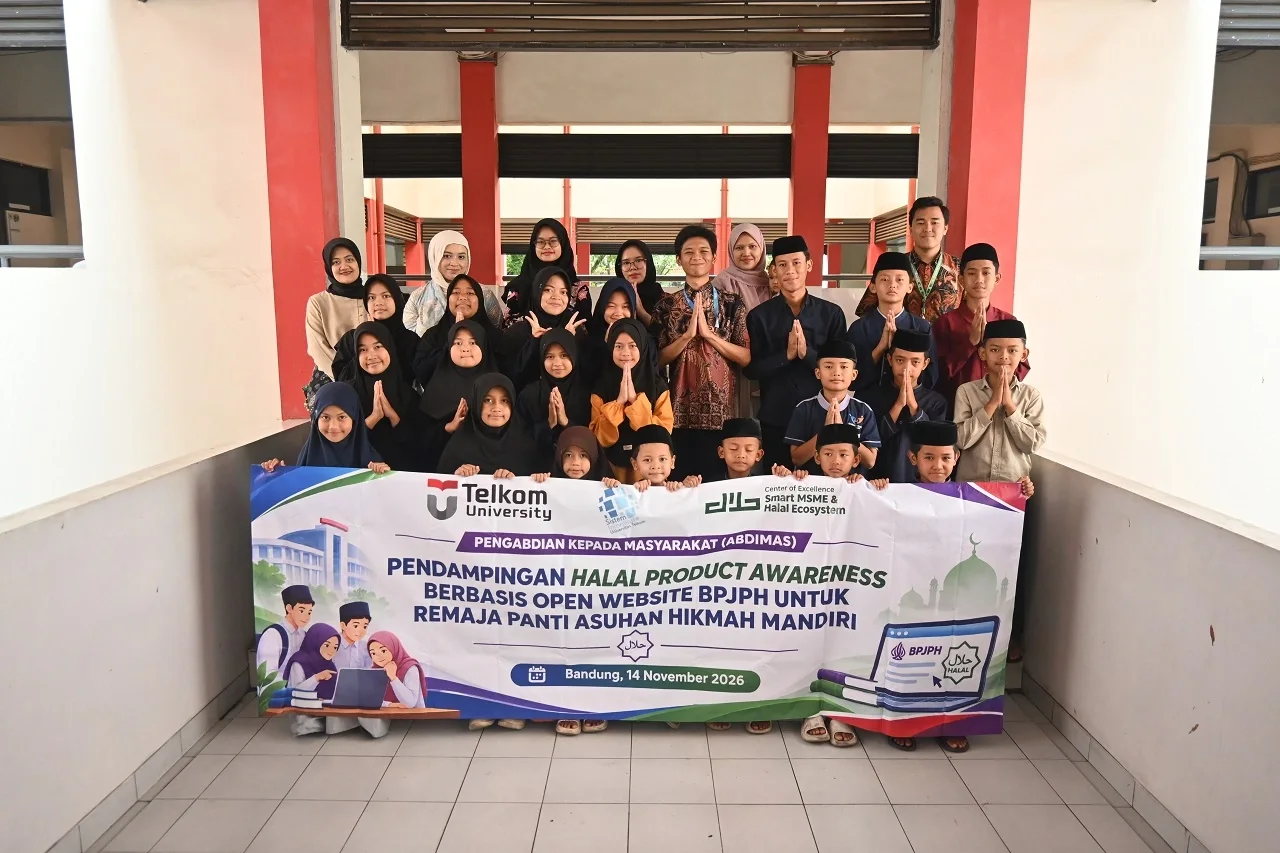
BANDUNG, JurnalPost.com – Faculty and students from the Bachelor of 1 Information Systems program at the Faculty of Industrial Engineering, Telkom University, held a community service event titled Halal Product Awareness Mentoring Based on the BPJPH Open Website for Teenagers at Hikmah Mandiri Orphanage.
The event, which took place on Saturday (14/11/2026), from 07.00–12.00 WIB at the Telkom University Bandung Laboratory, was attended by 21 teenagers from the Hikmah Mandiri Orphanage.
Through this activity, participants received guidance on identifying halal products and learned how to independently verify product halal status via the official website of the Halal Product Assurance Organizing Agency (BPJPH).
This program is part of Telkom University's efforts to improve digital literacy and awareness of halal products, particularly among teenagers who interact daily with various food, beverage, and consumer goods.
Learning to Verify Product Halal Status via the BPJPH Website
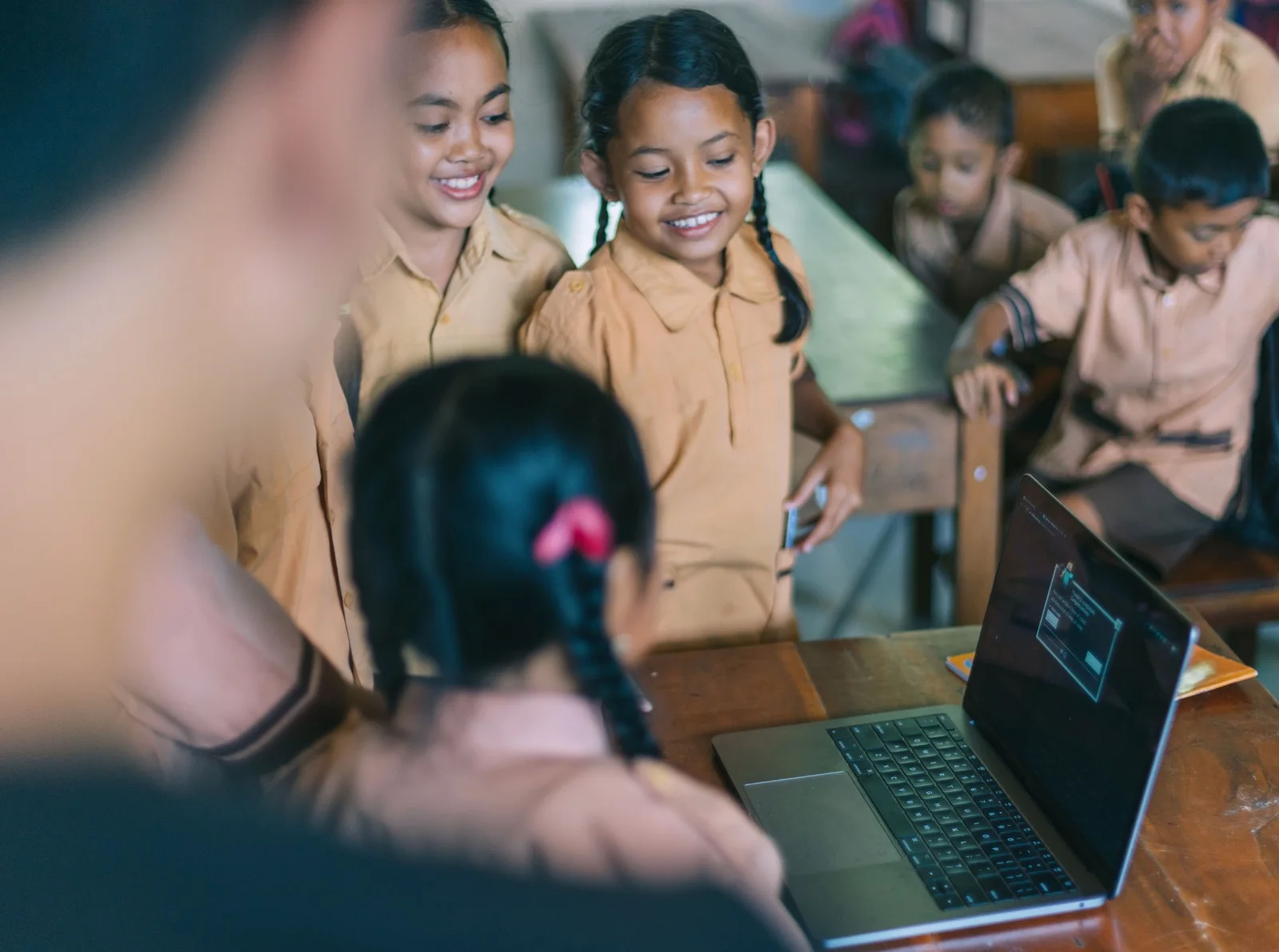
During the session, participants not only received an explanation on the importance of choosing halal products but were also invited to practice using the information services available on the BPJPH website.
The mentoring was conducted to ensure teenagers understand that information regarding a product's halal certification can be traced through official sources, so they do not rely solely on packaging appearance or personal assumptions when making choices.
This skill is considered essential to build from a young age, given the increasing variety of products circulating in the community.
Through hands-on practice, participants were introduced to the use of digital technology as a means to obtain more accurate and accountable information.
This activity also serves as a synergy between the Bachelor of 1 Information Systems program and the Telkom University Halal Center of Excellence (CoE) in developing information technology-based halal education.
Educational Card Games Make Learning More Interactive
To create a more engaging learning atmosphere, the service team introduced educational card games designed to train participants' ability to recognize and categorize products.
In the game, participants were asked to sort product cards into three categories: halal, non-halal, and needs verification.
Through this approach, participants were encouraged to understand that the halal status of all products cannot be determined solely by their name, type, or packaging appearance.
Some products require further information verification through official sources before their halal certification status can be confirmed.
The card game also served as a tool to develop critical thinking, discussion, and decision-making skills based on available information.
The atmosphere was interactive. Participants appeared enthusiastic throughout the learning series, ranging from material introduction and BPJPH website practice to the educational card games.
Collaboration Between Telkom University Faculty and Students
This community service activity was carried out by a team consisting of three faculty members from the Bachelor of 1 Information Systems program at Telkom University: Haryasena Panduwiyasa, S.Kom., M.T., Agnes Ariefiany, S.T., M.B.A., and Zalina Fatima Azzahra, S.Kom., M.T.
In addition to the faculty, the activity was supported by five students: Aisyah Nur Raihandany Putri, Muhammad Fairuz Dzaki, Arkananta Fausta Citra Setia Budhi, Andi Meuthia Rionawita, and Marpaung Rinda Puspa Rani.
The involvement of faculty and students in this activity reflects the application of science and technology to directly address community educational needs.
Beyond providing an understanding of halal products, the program opened opportunities for students to develop communication, teamwork, and community engagement skills.
Through this program, the service team hopes that the teenagers at Hikmah Mandiri Orphanage will become accustomed to checking product information before purchasing or consuming them.
The use of official digital platforms like the BPJPH website is expected to become a positive habit for the younger generation in seeking reliable information.
This activity also demonstrates how information technology can be combined with simple and fun learning methods to improve community literacy.
With this mentoring, it is hoped that knowledge about halal products will not stop at the educational event but will be applied in the daily lives of the participants.





Comments 0
Write a Comment Share your response