

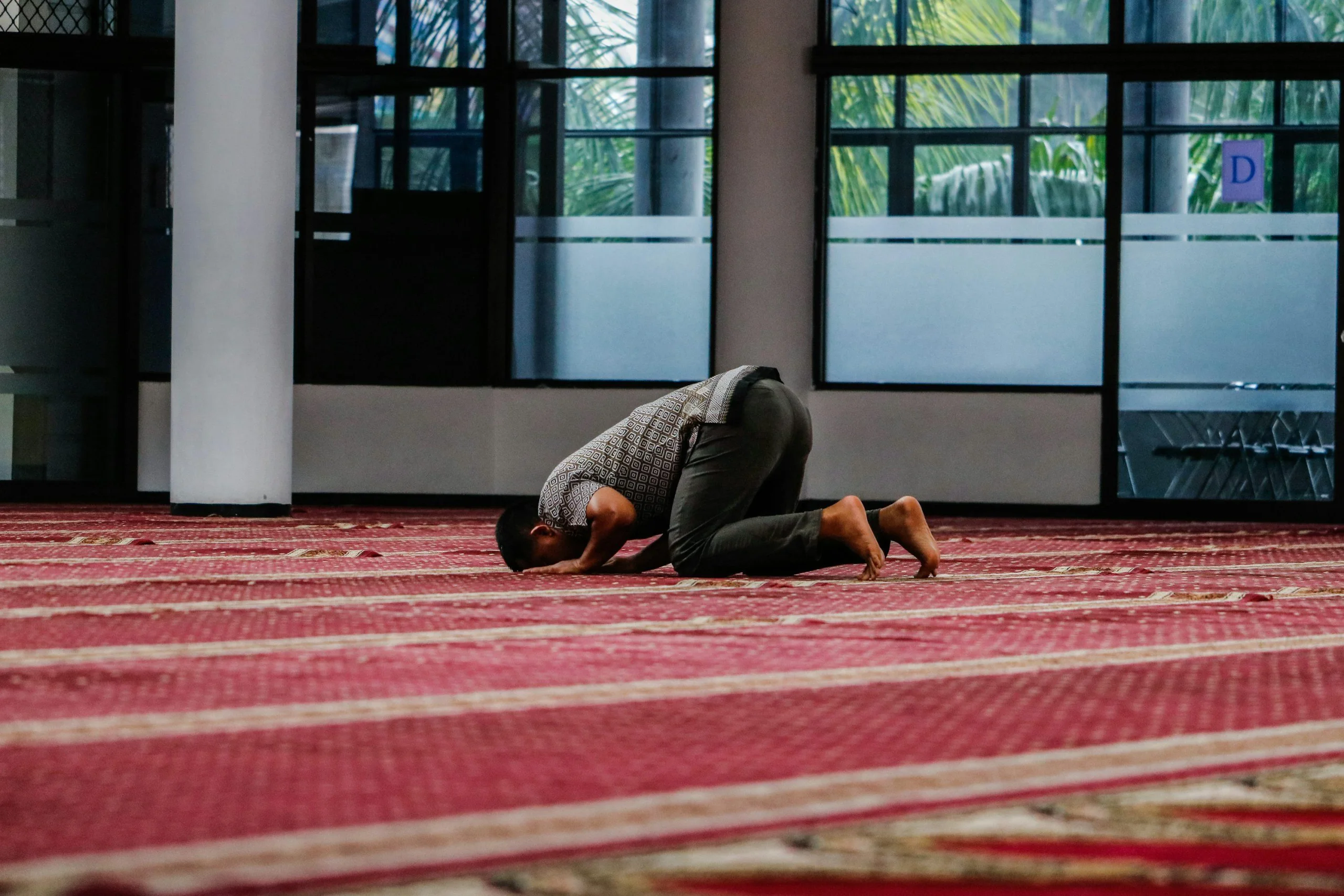
JurnalPost.com — Prayer is one of the primary forms of worship in Islam, serving as a means of communication between a servant and Allah SWT. Prayer is not merely an obligation to be fulfilled, but an opportunity to draw closer to the Creator, purify the heart, refine one's character, and attain inner peace.
However, in our daily lives, have we truly understood the meaning of the prayers we perform?
Every day, the adhan echoes, reminding Muslims that the time for prayer has arrived. Mosques stand in various places, and the call to worship is heard five times a day. Yet, sometimes that call passes by unnoticed amidst the busyness of life.
Some intentionally delay their prayers, others only perform them when they have spare time, and some only remember this obligation when facing life's difficulties.
When it is time to work, we prepare immediately. When we have an appointment with someone, we strive to arrive on time. Yet, when the adhan sounds, why do we sometimes choose to delay?
This simple question should serve as a point of introspection for every Muslim in understanding the position of prayer in their life.
Prayer Is More Than Just Fulfilling an Obligation
Prayer holds a very important position in Islam. As the second pillar of Islam, prayer is a form of a servant's obedience to Allah SWT as well as an expression of gratitude for all the blessings He has bestowed.
More than just a series of movements and recitations, prayer is an opportunity to improve the quality of oneself and build a spiritual relationship with Allah.
Through prayer, one is reminded to avoid despicable acts, maintain good behavior, and build awareness in navigating daily life.
However, it is not uncommon for someone to perform prayer merely as a routine. The movements are performed, the recitations are spoken, but the mind remains filled with various worldly concerns.
Sometimes, one does not even truly realize the meaning of the words they recite during prayer.
This condition serves as a reminder that the quality of worship is not only related to outward execution but also to the sincerity of the heart when facing Allah SWT.
Do not wait for your heart to be perfect to start maintaining your prayers. It is precisely through prayer that we ask Allah to make our hearts, character, and lives better.
Why Do Many Still Abandon the Five Daily Prayers?
Worldly busyness is one of the reasons often used to delay or abandon prayer. Work, education, business, and various other activities are sometimes placed as top priorities.
A person can spend hours working, chasing profits, or enjoying entertainment. Yet, when the call of the adhan is heard, it is not uncommon for the obligation of prayer to be delayed.
In fact, the sustenance, health, opportunities, and life we enjoy are blessings from Allah SWT.
It is very regrettable if someone is so busy chasing these various blessings that they forget their obligation to the Giver of Blessings.
In Islamic jurisprudence, intentionally abandoning prayer is a serious matter. Scholars discuss it by distinguishing between the attitude of denying the obligation of prayer and the negligence of someone who still believes in that obligation.
These differing perspectives show how important the position of prayer is in the life of a Muslim.
Therefore, discussions regarding negligence in prayer should be a means of introspection and self-improvement, not an excuse to easily judge the faith of others.
Why Do We Often Get Trapped in Negligence?
Negligence in performing worship sometimes begins with small habits that are repeated continuously.
Delaying prayer due to work, spending too much time on gadgets, or feeling that one still has plenty of time can become a habit if not corrected immediately.
When making mistakes, humans also often look for excuses to reduce their guilt. Busyness, circumstances deemed impossible, and even the habits of others are sometimes used as justifications.
Without realizing it, the habit of seeking justification can cause someone to lose the opportunity for introspection.
In fact, admitting negligence does not mean lowering one's self-esteem. The courage to admit mistakes is actually the first step toward change.
Maintaining the quality of prayer also means striving to perform it according to the guidance of the Prophet Muhammad SAW.
“Pray as you have seen me praying.” (Narrated by Bukhari).
This hadith serves as a reminder that the performance of prayer needs to be accompanied by understanding and sincerity in following the guidance that has been taught.
Before pointing out the mistakes of others, it is better for us to first examine ourselves. Do not let us be so quick to recognize the negligence of others while failing to realize that we are committing similar mistakes.
The Impact of Neglecting Prayer on Life
Neglecting prayer is not a matter that can be considered light. For a Muslim, prayer is an obligation as well as a means to build discipline, responsibility, and spiritual awareness.
The habit of ignoring prayer times can be an evaluation of one's ability to manage time and maintain commitment to their obligations.
Prayer also teaches the importance of order in life. Through five times of worship every day, Muslims are trained to set aside specific time for spiritual connection amidst various activities.
Furthermore, prayer is an opportunity to reflect on actions, improve behavior, and ask for forgiveness for mistakes that have been made.
The values contained in prayer should also be reflected in social life, such as maintaining honesty, fulfilling trusts, respecting others, and carrying out responsibilities well.
Thus, prayer is not only related to the relationship between humans and Allah SWT but also provides moral lessons in building relationships with fellow human beings.
How to Overcome the Habit of Neglecting Prayer
Overcoming the habit of neglecting prayer requires awareness, willingness, and concrete action. Change is not enough through advice or promises alone, but needs to be realized consistently in daily life.
The first step can be taken by getting used to performing prayers on time, organizing activity schedules, and reducing habits that cause worship obligations to be delayed.
Understanding the meaning of prayer recitations can also help someone increase their awareness when worshiping.
In addition, the family environment and social circles play an important role in building positive habits. A culture of reminding each other, providing support, and inviting to goodness can help someone maintain the consistency of their worship.
However, reminding others should be done in a good way, without embarrassing, belittling, or judging.
The goal is not to find who is most at fault, but to help one another to improve themselves and carry out obligations better.
Humans are indeed not always able to do everything perfectly. There are times when someone makes a mistake, experiences negligence, or faces various limitations.
However, such conditions should not be an excuse to stop trying to improve oneself.
Making Prayer a Path to Self-Improvement
Ultimately, the question of the quality of our prayers is part of an introspection journey that needs to be carried out continuously.
Prayer should not only be a routine performed to fulfill an obligation, but also a means of character formation, spiritual strengthening, and self-improvement.
Amidst the busyness of pursuing education, work, wealth, and various life goals, it is only fitting that we continue to set aside time to face Allah SWT.
Do not let us be so quick to make time for various worldly interests, yet feel it is difficult to set aside time to worship Him.
Maintaining prayer is not about being a human who never makes mistakes, but about the sincerity to continue improving oneself, fulfilling obligations, and drawing closer to Allah SWT.
Because, positive change can start from a simple awareness: improving our prayers today.









Comments 0
Write a Comment Share your response