

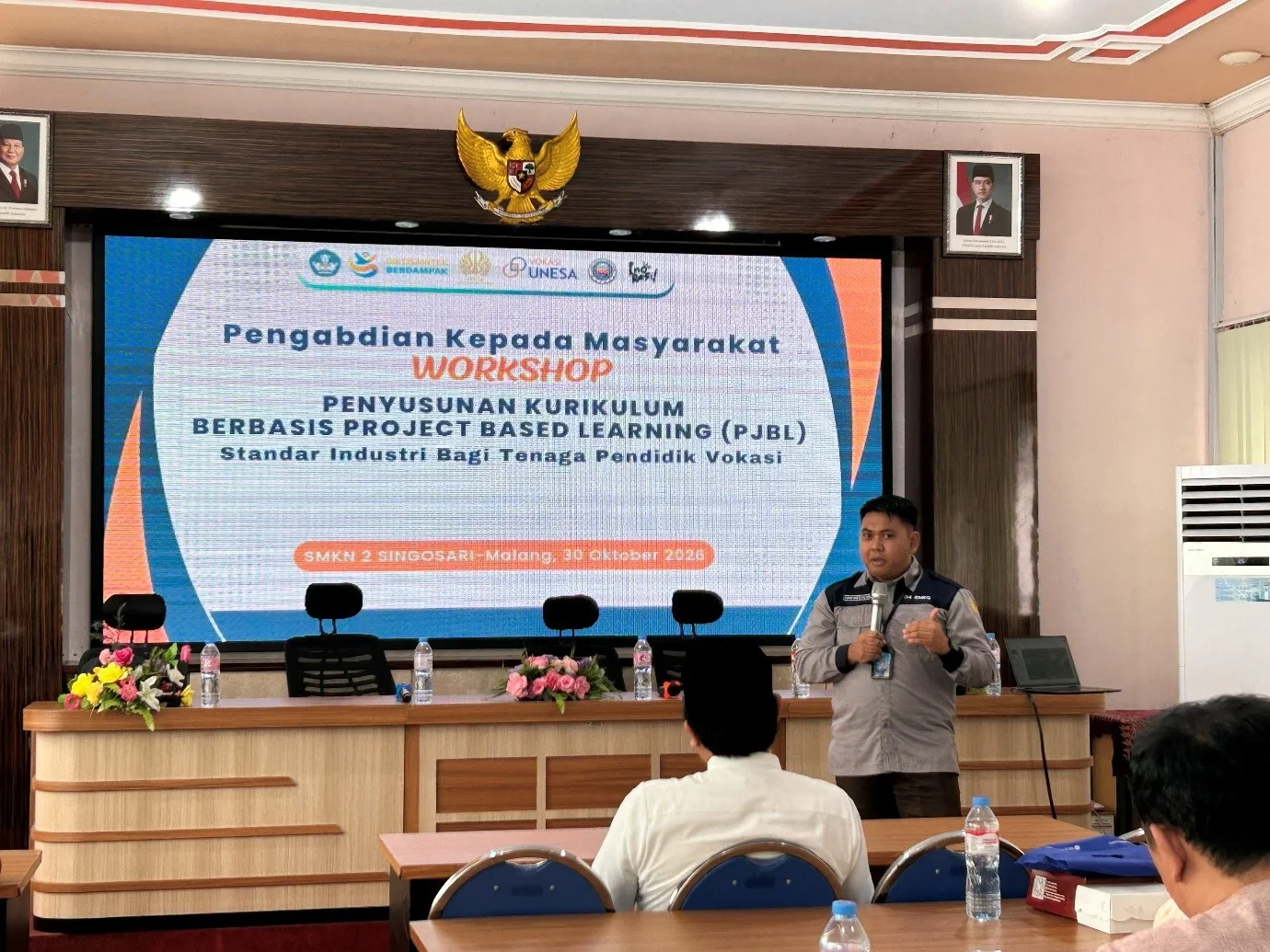
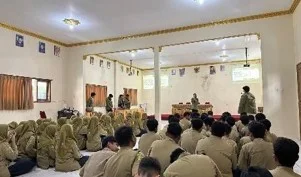
MALANG, JurnalPost.com – Efforts to align vocational education with the needs of the industrial world continue to be carried out by the Vocational Faculty of the State University of Surabaya (UNESA). Through a Community Service (PKM) program, a team of UNESA lecturers and students held a workshop on developing a curriculum based on Project-Based Learning (PjBL) with industry standards at SMKN 2 Singosari, Malang Regency, on Friday (30/10/2026).
This activity not only focused on strengthening project-based learning methods but also served as an opportunity to introduce MagangBridge.com, a digital platform developed to help schools monitor the implementation of student internships (PKL).
Through this activity, the UNESA Vocational Community Service team sought to present a learning approach closer to real-world work conditions. Students are expected not only to master theory in the classroom but also to be able to apply their knowledge and skills through projects relevant to industry needs.
Promoting Learning Closer to the Industrial World
During the workshop, Mafrur Udhif Nofaizzi, S.Pd., M.Pd., presented the concept of PjBL-based learning that refers to industry standards.
This approach positions students as active participants in the learning process. They are encouraged to identify problems, design solutions, complete projects, and evaluate work results, mirroring practices found in industrial environments.
In addition to discussing the implementation of PjBL, Mafrur also introduced the idea of developing MagangBridge.com as a means to strengthen the relationship between students, supervising teachers, and industry partners during internships.
The development of the platform also involved Beatriks Lasamahu, M.Pd., who played a role in workshop preparation and mentoring students during the development and implementation process.
Two students, Raditya Nala Argya Wijaya and Stevano Valentino Verant, were involved in the technical development of the website. Meanwhile, Azwa Aisyawatul Ustaza and Gaizka Allieftya Putri supported the preparation and execution of the workshop.
A number of other lecturers also contributed to the preparation of modules, the development of workshop materials, and the provision of digital learning content.
They are Tri Wardati Khusniyah, S.Kom., M.Pd., Muhammad Natsir Maulana, M.Pd., Fajar Indra Kusuma, S.Pd., M.Pd., Nurul Ainu Sofi, S.Si., M.Eng., and Endah Laelatul Fitri, M.Pd.
The involvement of these lecturers and students is part of an effort to present learning innovations that can be utilized directly by vocational schools.
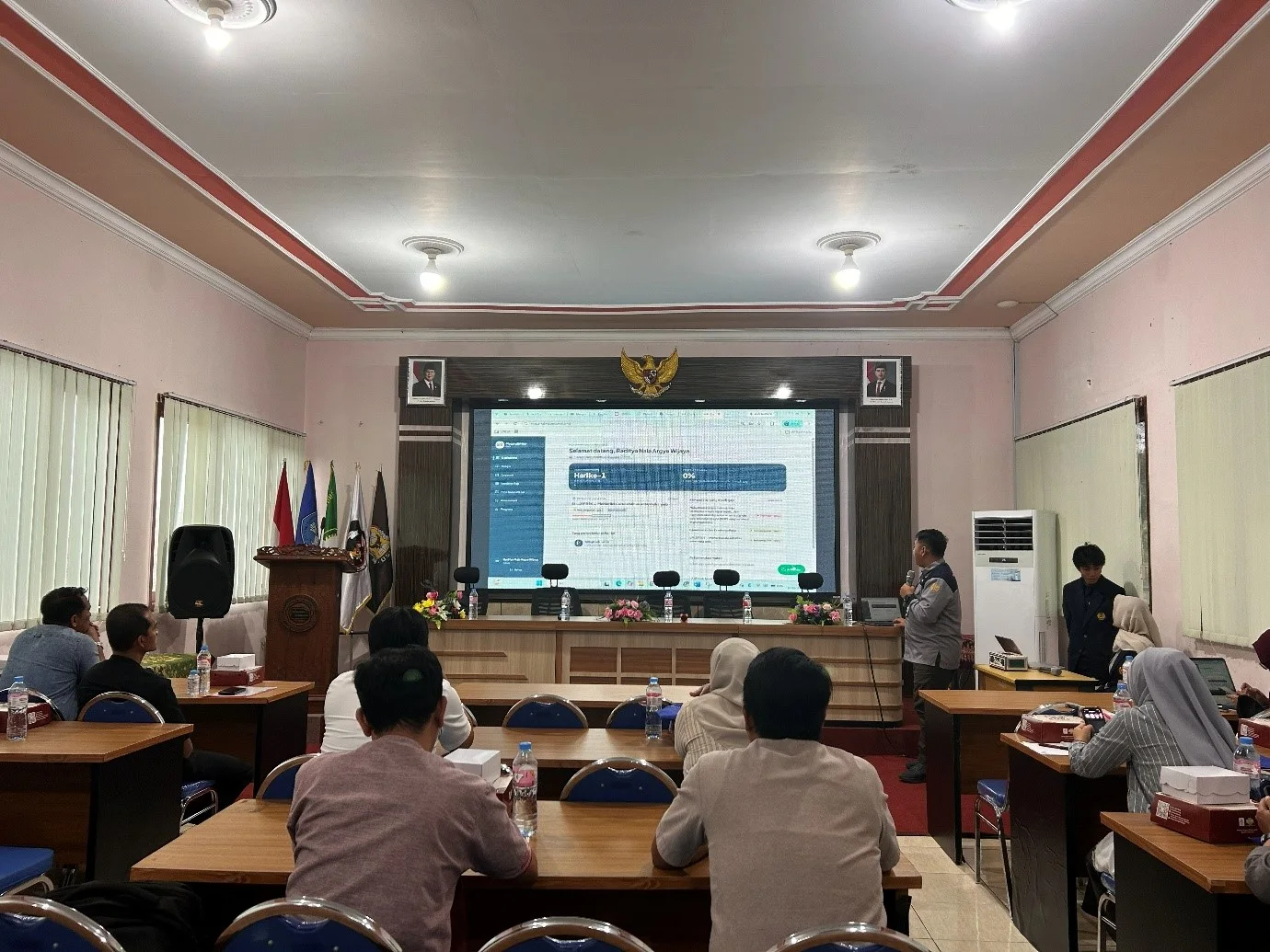
MagangBridge.com Simplifies Internship Mentoring and Evaluation
One of the innovations introduced during the activity was MagangBridge.com, a digital platform designed to bridge the needs of schools and industry in the implementation of internships.
This platform was developed with a number of features, including microlearning or short-form learning, a digital logbook, and a system for monitoring student competency development.
Through the logbook feature, students can document their daily activities while undergoing internships in the industry. These notes can serve as monitoring material for both supervising teachers and industry mentors.
On the other hand, supervising teachers can manage learning materials, set competency targets, and follow student progress during their internships.
Industry mentors can also monitor intern activities, verify reported activities, and provide feedback based on the work performed by the students.
With this system, the mentoring process is expected to no longer rely entirely on manual reports or separate communication channels.
Activity documentation, competency monitoring, and student evaluation can be carried out in a more structured manner through a single platform.
However, the development of MagangBridge.com still requires adjustments based on user needs, especially from schools and industry partners who will eventually utilize the system.
UNESA and SMKN 2 Singosari Strengthen Cooperation
In addition to the workshop, this activity served as a momentum to strengthen the partnership between the UNESA Vocational Faculty and SMKN 2 Singosari.
The series of events began with an opening and remarks by the Principal of SMKN 2 Singosari, Budiono, S.Pd., M.M.
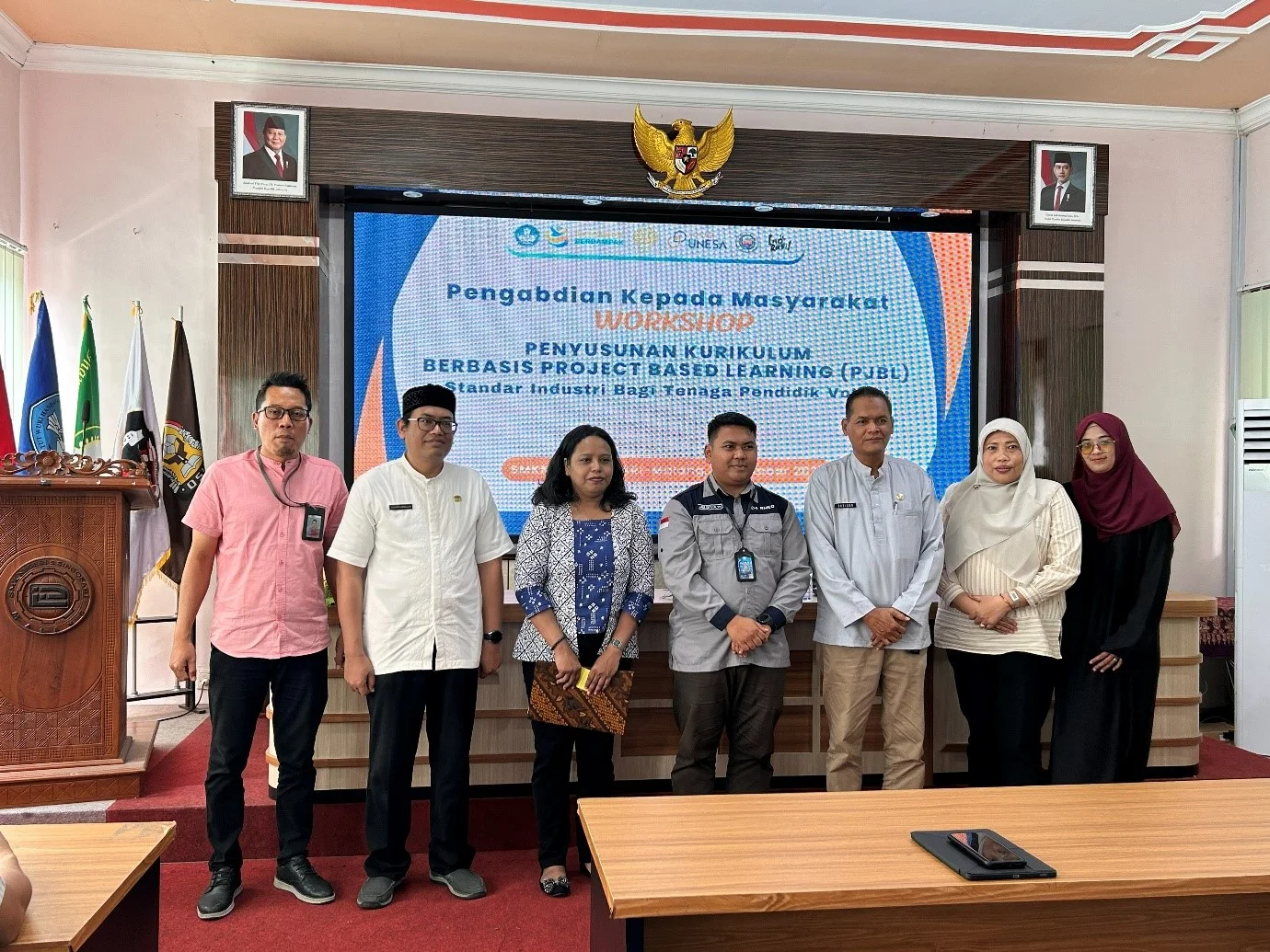
On this occasion, both institutions signed and exchanged a Cooperation Agreement (PKS) document.
This cooperation serves as a foundation to strengthen collaboration in the development of vocational education, competency improvement, and the utilization of learning innovations that align with the needs of the world of work.
Through this partnership, universities and vocational schools are expected to support each other in developing more applicable educational approaches.
School Provides Input for Platform Development
The workshop included a discussion session that provided an opportunity for the school to convey its needs and provide input on the development of MagangBridge.com.
The Vice Principal for Curriculum at SMKN 2 Singosari, Zulfa Rumailah, explained that the school is currently undergoing a curriculum synchronization process.
In this process, the presence of a digital platform is considered to have the potential to assist in the implementation of internships, particularly in student mentoring and measuring competency achievement.
The school also plans to test MagangBridge.com and provide feedback based on their experience in the field.
Other input was provided by the Head of the Industrial Electronics Expertise Concentration, M. Amrul Sadat.
He proposed that the student competency assessment system should display results in numerical form. This feature is considered important to make it easier for teachers to process assessment results into report card grades.
This proposal has become one of the considerations for the development team in refining the assessment features on the platform.
The various responses that emerged during the discussion indicate that the development of educational technology needs to consider the real needs of users, not just the completeness of features.
Towards More Adaptive Vocational Education
The implementation of the PjBL workshop and the introduction of MagangBridge.com are part of the UNESA Vocational Faculty Community Service team's efforts to support the transformation of learning in vocational schools.
The application of project-based learning opens opportunities for students to hone their technical skills, problem-solving, teamwork, and responsibility in completing work.
Meanwhile, the use of a digital platform is expected to help schools and industry build a more directed and documented internship mentoring system.
Through collaboration between universities, schools, and the industrial world, the UNESA Vocational Community Service team hopes that the developed innovations can be continuously refined and provide benefits for improving the quality of vocational education.
This activity also emphasizes the importance of the connection between school learning and industrial work experience so that vocational education graduates have competencies that are increasingly relevant to the needs of the world of work.




Comments 0
Write a Comment Share your response