


JurnalPost.com - Have you ever experienced persistent pain, cramps, or fatigue that leaves you constantly wondering what is happening to your body? Every sensation can trigger worry, leading you to believe it is a sign of something serious. These recurring physical complaints are often misunderstood by others, with some dismissing them as exaggerated, imagining the sufferer is making it up, or even attributing them to mystical causes. In reality, this condition can be explained in clinical psychology through Somatic Symptom Disorder (SSD), where physical symptoms are accompanied by excessive thoughts, feelings, and behaviors regarding the complaints experienced.
In the Diagnostic and Statistical Manual of Mental Disorders, Fifth Edition (DSM-5), Somatic Symptom Disorder is defined as a condition characterized by one or more physical symptoms that cause distress or disrupt daily life, accompanied by excessive psychological and behavioral responses to those symptoms. The complaints can vary, ranging from localized pain and chronic fatigue to impaired bodily functions. These symptoms may persist for a long time or appear and disappear intermittently.
When Medical Complaints and Psychological Responses Intertwine
One important takeaway from the DSM-5 explanation is that Somatic Symptom Disorder is not always characterized by physical complaints that lack a medical explanation. The pain or discomfort a person experiences is real and not fabricated. Even someone with a diagnosed medical condition can experience this disorder if their thoughts, anxiety, and behaviors in responding to the symptoms become excessive to the point of disrupting daily activities.
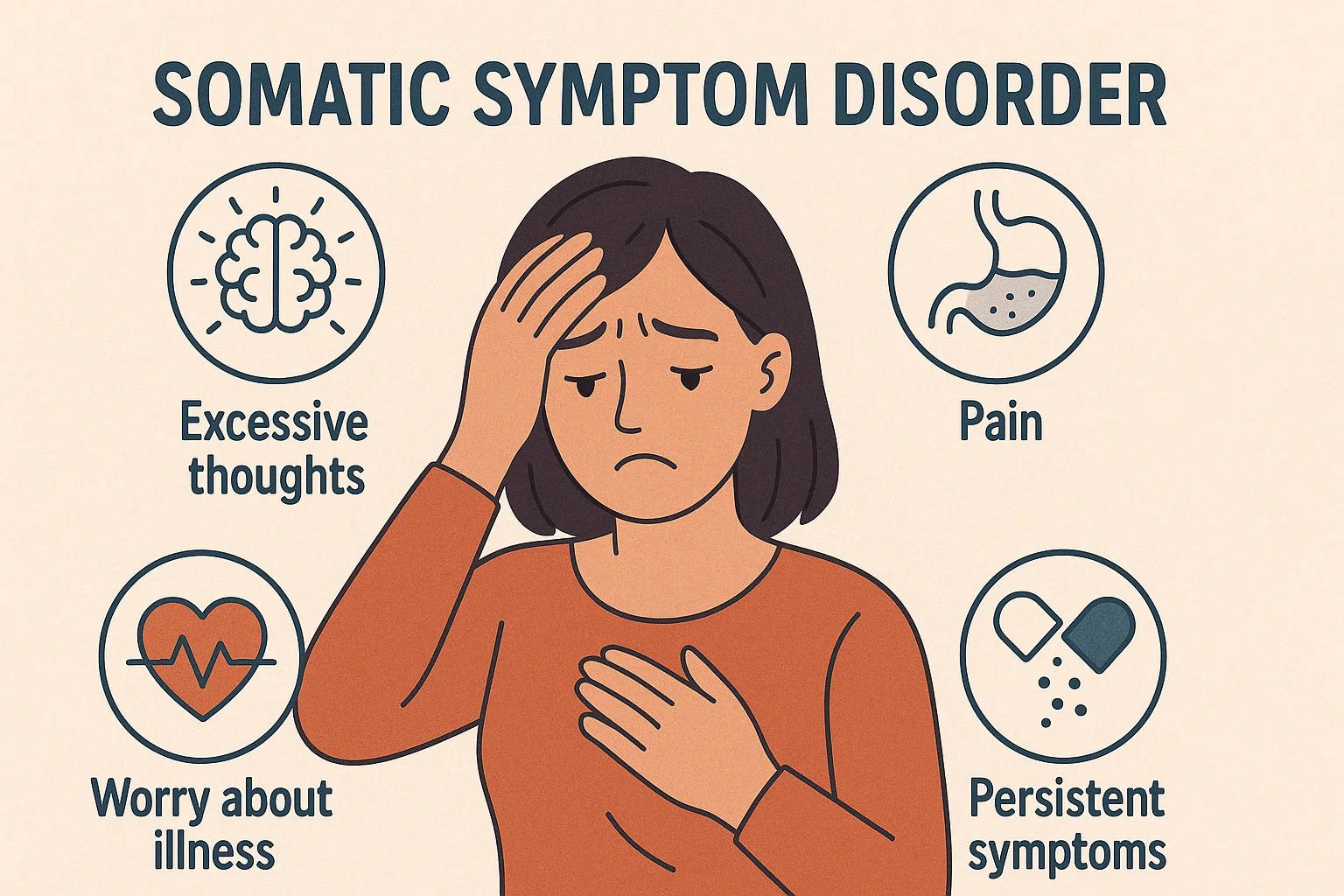
Generally, this condition persists for a significant period, typically longer than six months. An individual with Somatic Symptom Disorder may constantly worry about the possibility of having a serious illness, feel extreme anxiety regarding their health, and spend significant time and energy checking their body or seeking reassurance about their symptoms. Furthermore, psychological pressure, stress, and various life situations can influence how a person perceives and reacts to their physical complaints.
A Daily Portrait: Lessons from the Case of Carlos
In the book Abnormal Psychology, Susan Nolen-Hoeksema (2020) reviews the case of Carlos, a 39-year-old man who, for approximately 12 years, experienced various digestive complaints such as gastrointestinal spasms, constipation, bloating, and abdominal pain. Despite undergoing examinations and receiving medical explanations, these complaints remained his primary focus. Carlos became increasingly preoccupied with his bodily condition and continued to feel anxious about the symptoms that emerged.
This illustration shows that persistent physical complaints often go hand-in-hand with broader life stressors. In Carlos's case, the symptoms also appeared amidst psychological pressure and difficulties in his marriage. When anxiety about the body is continuously nurtured, attention to physical sensations can become more intense and burdensome to daily activities.
A Comprehensive and Empathetic Approach
Dealing with someone experiencing prolonged physical complaints requires an attitude of understanding and patience rather than rushing to judgment. Dismissing these complaints as fabricated or attributing them to mystical causes without clear evidence can make the sufferer feel misunderstood and emotionally burdened. Therefore, it is important to show care, listen to their concerns, and support them in obtaining proper medical examination and treatment.
In practice, interventions for Somatic Symptom Disorder are aimed at helping individuals manage physical complaints while organizing their thoughts, emotions, and behavioral responses. Some approaches used include:
- Cognitive Behavioral Therapy (CBT): Helps individuals avoid the constant belief that every bodily complaint is a sign of a serious illness. Through this therapy, individuals learn to view their bodily condition more realistically. (Nevid et al., 2018; Dewi, 2026; Wahyuni, 2025).
- Rational Emotive Behavior Therapy (REBT): Helps individuals change excessive or irrational beliefs about their health condition so they no longer trigger constant anxiety (Zulfiana, 2017).
- Mindfulness, Relaxation, and Behavioral Approaches: Trains acceptance of current bodily sensations without excessive negative judgment (Dewi, 2026), while reducing reinforcement of the 'sick role' to maintain independence in daily activities (Nevid et al., 2018).
- Psychodynamic Therapy: Helps identify and understand underlying emotional conflicts or feelings so they can be addressed in a healthier way (Dewi, 2026; Nevid et al., 2018).
- Supportive Pharmacotherapy: Antidepressants such as SSRIs are not the primary treatment for this disorder but may be considered under medical supervision if there are comorbid conditions such as severe anxiety or depression (Nevid et al., 2018).
When Should You Seek Professional Help?
Everyone experiences physical complaints under certain conditions. However, if these complaints persist for a long time and are accompanied by constant anxiety that disrupts daily activities, it is important to consult a healthcare provider or mental health professional. A proper understanding of this condition helps us realize that maintaining mental health and addressing physical complaints appropriately are equally important in supporting one's quality of life.
References
- [American Psychiatric Association. (2013). Diagnostic and statistical manual of mental disorders (5th ed.). American Psychiatric Publishing.
- Dewi, R. (2026). Psychological intervention for somatization and health anxiety. Journal of Indonesian Clinical Psychology, 14(1), 45–58.
- Nevid, J. S., Rathus, S. A., & Greene, B. (2018). Abnormal psychology in a changing world (10th ed.). Pearson.
- Nolen-Hoeksema, S. (2020). Abnormal psychology (8th ed.). McGraw-Hill Education.
- Wahyuni, S. (2025). Effectiveness of Cognitive Behavioral Therapy in alleviating somatic symptom complaints. Journal of Behavioral Therapy, 8(2), 110–123.
- Zulfiana, U. (2017). Application of Rational Emotive Behavior Therapy (REBT) to reduce somatization. Journal of Psychological Intervention, 9(1), 33–46.



Comments 0
Write a Comment Share your response