

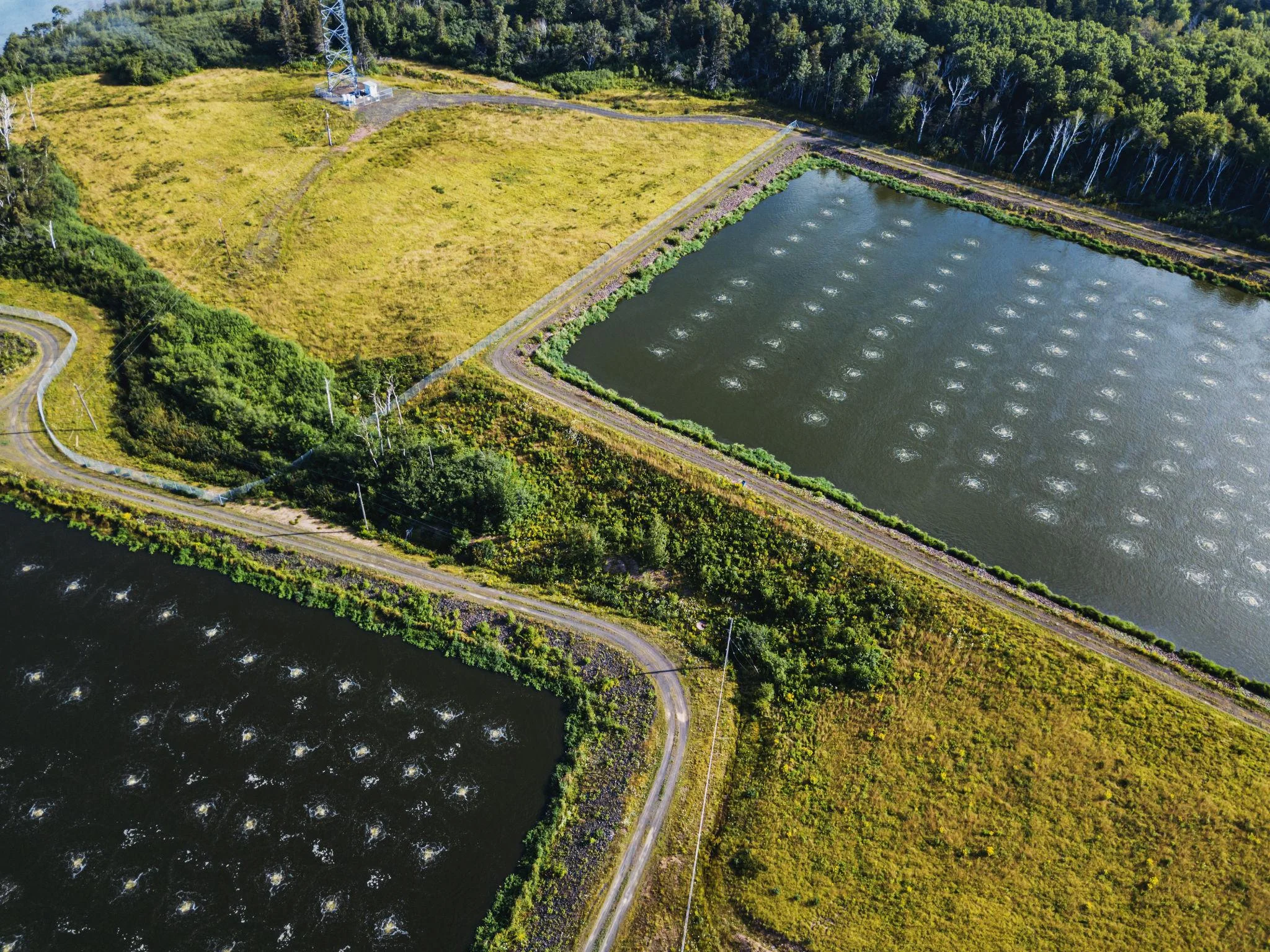
JurnalPost.com – Many people assume that downstream treatment is the only way to keep rivers clean. In reality, companies can reduce wastewater while the water is still inside the factory, long before it flows into the river.
Industrial Engineering helps companies achieve this goal through a comprehensive systems perspective. Therefore, students must understand the relationship between production processes and wastewater. This article reviews this perspective based on various studies in scientific journals.
Water Conservation and Wastewater Reduction
The relationship between water intake and wastewater output is actually simple. Facilities that use more clean water generate more wastewater (Al Kholif & Asmoro, 2016).
Consequently, water conservation directly reduces the burden of wastewater both at the factory and in the receiving river. Furthermore, companies need to measure water usage at every stage that triggers wastewater generation.
Factories that understand their water flow can identify leaks and excessive usage much faster.
The Role of Lean Manufacturing in Reducing Waste
Industrial Engineering is accustomed to identifying waste—activities that consume resources without adding value. The lean manufacturing approach targets this waste at every stage of the process, including those that trigger wastewater.
Research shows that reducing waste lowers water and energy consumption as well as the potential for wastewater (Hendrawan et al., 2025).
Furthermore, the same study confirms that lean and green initiatives reinforce each other (Hendrawan et al., 2025). This perspective shifts efficiency from a mere cost concern to an environmental and social responsibility.
Implementing Cleaner Production in the Sugar Industry
For example, the sugarcane industry generates wastewater with a high organic pollutant load (Paramitadevi et al., 2017).
The factory recycled condensate water and used scrubberwater, then implemented good housekeeping (Paramitadevi et al., 2017).
As a result, the volume of water entering the wastewater treatment plant decreased by 51.72 percent (Paramitadevi et al., 2017).
Furthermore, this figure is equivalent to saving 4,500 cubic meters of raw water per day (Paramitadevi et al., 2017).
Such improvements work at the source, before wastewater is formed and flows into the river.
Integrating Lean and Green Manufacturing
Meanwhile, combining lean and green manufacturing approaches also provides dual benefits for the manufacturing industry in Indonesia.
For instance, lead time for recruitment at a factory dropped from 17.9 to 16.4 days (Kurnia et al., 2022).
In addition, the factory eliminated paper waste by 191.6 kilograms per month (Kurnia et al., 2022).
While this case is not about water, the logic remains the same for wastewater. This example demonstrates that process improvements yield tangible and measurable environmental impacts.
Supporting Sustainable Development
Ultimately, efficiency and environmental sustainability can go hand in hand within a single production system.
These efforts align with SDG 6 regarding clean water and sanitation. Moreover, they also support SDG 9 regarding industry, innovation, and infrastructure.
Industrial Engineering graduates are equipped to help companies reduce wastewater from the source. A clean river begins with small decisions on the production floor.
Bibliography
Al Kholif, M., & Asmoro, P. (2016). Implementation of cleaner production as a strategy for saving clean water usage at Puskesmas Pucang Sewu Surabaya. WAKTU: Jurnal Teknik UNIPA, 14(2), 56–62. DOI: 10.36456/waktu.v14i2,136.
Hendrawan, M. A., Munang, A., & Aliyah, K. (2025). Analysis of green lean manufacturing for waste reduction and environmental impact in the bag manufacturing process. Factory: Jurnal Industri, Manajemen dan Rekayasa Sistem Industri, 4(2). DOI: 10.56211/factory.v4i2.1412.
Kurnia, H., Setiawan, I., & Hernadewita, H. (2022). Integration of lean and green manufacturing to reduce waste in the employee recruitment process in the manufacturing industry in Indonesia. Jurnal Rekayasa Sistem Industri, 11(2), 145–156. DOI: 10.26593/jrsi.v11i2.5608.145-156.
Paramitadevi, Y. V., Nofriana, R., & Yulisa, A. (2017). Implementation of cleaner production in efforts to reduce wastewater generation in a sugarcane factory. Jurnal Presipitasi: Media Komunikasi dan Pengembangan Teknik Lingkungan, 14(2).






Comments 0
Write a Comment Share your response