

Makassar, JurnalPost.com – Maternal health during pregnancy is determined not only by physical condition but also by psychological well-being. Hormonal changes, anxiety leading up to childbirth, and concerns regarding fetal development can become sources of emotional pressure that require attention.
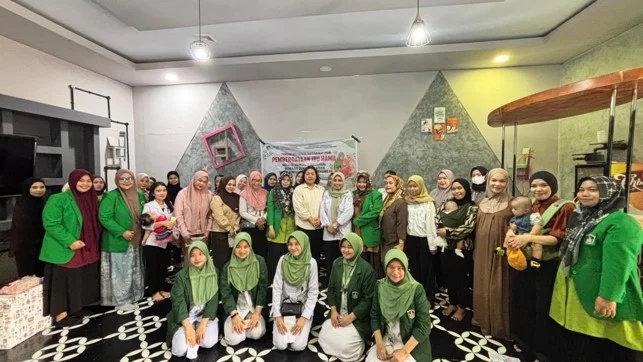
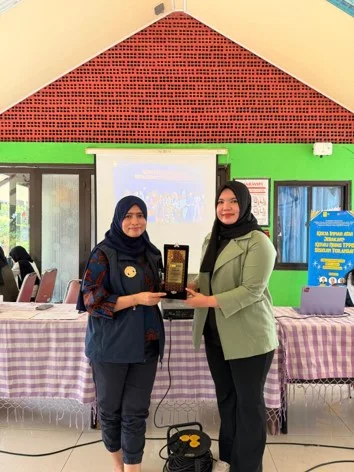
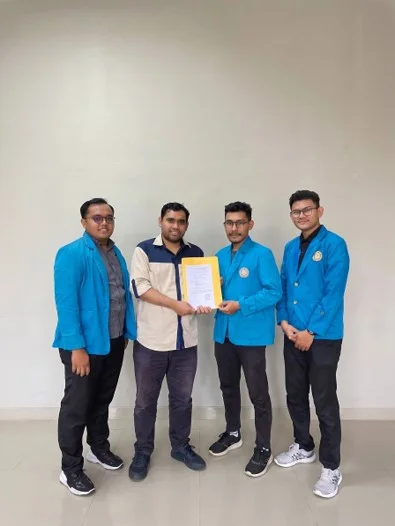
Recognizing the importance of maternal mental health, a team of lecturers from the Faculty of Public Health at Universitas Muslim Indonesia (FKM UMI) held a community service program under the novice scheme in the working area of the Tamalanrea Jaya Community Health Center, Makassar, from 20–21 October 2026.
The activity was themed “Empowering Pregnant Women through Midwife-Supported Psychosocial Education for the Prevention of Pregnancy Stress at the Tamalanrea Jaya Community Health Center, Makassar.”
This program was designed to help pregnant women understand the psychological changes experienced during pregnancy while improving their ability to recognize and manage stress through educational approaches and guidance from health professionals.
The activity was led by Bd. Melliyana Nurdin, S.ST., M.Keb., alongside team members Wan Sulastri Emin, S.Kep., Ns., M.Kes., M.Kep., and involved midwifery students. The implementation also collaborated with midwives, health cadres, and pregnant women in the Tamalanrea Jaya Community Health Center area.
Maternal Mental Health Requires Attention
Historically, prenatal care has been primarily associated with physical examinations, fetal growth monitoring, nutritional fulfillment, and the prevention of childbirth complications.
However, psychological changes are also a vital part of the pregnancy journey. Some pregnant women may experience sleep disturbances, anxiety about childbirth, fear regarding the baby's condition, and difficulty controlling emotional pressure.
If not identified and handled appropriately, these conditions have the potential to disrupt comfort, daily activities, and the mother's overall well-being during pregnancy.
Through this community service program, the UMI lecturer team sought to broaden participants' understanding that maintaining mental health is an inseparable part of safeguarding the health of both mother and fetus.
Education was provided to ensure pregnant women better understand stress triggers, recognize signs of anxiety, and know when to seek assistance from health professionals.
Teaching Relaxation Techniques and Emotional Management
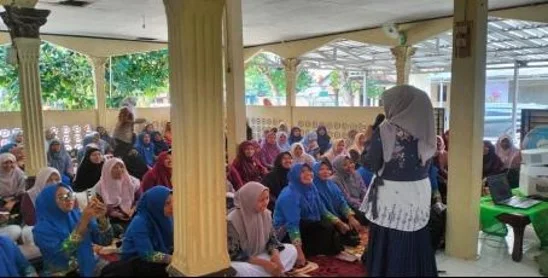
Beyond delivering material through counseling, the service team applied an interactive approach by involving participants in group discussions and demonstrations of simple relaxation techniques.
Pregnant women were introduced to breathing exercises that can help create a sense of calm when facing anxiety-inducing situations.
Additionally, participants gained an understanding of the importance of building a positive mindset, recognizing emotional shifts, and maintaining communication with those closest to them.
Support from husbands, families, midwives, and the social environment was a key topic in the activity. The presence of individuals who provide attention and emotional support is expected to help pregnant women navigate the various challenges of pregnancy.
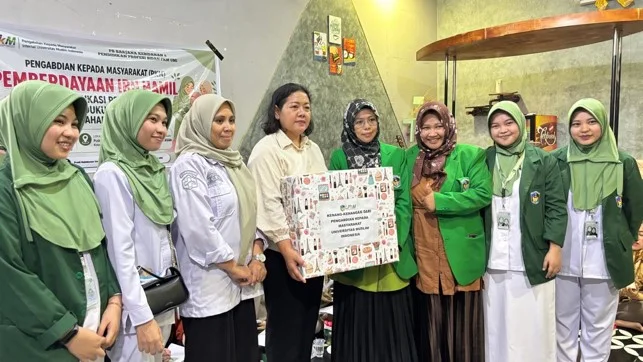
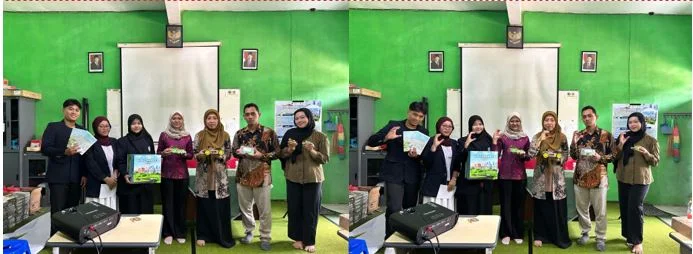
As a supplement to the activity, the lecturer team distributed educational leaflets containing information on identifying pregnancy stress and simple steps to manage it.
These materials are intended to be used by pregnant women at home and utilized by midwives and health cadres when providing education to the community.
Strengthening the Role of Midwives and Health Cadres
A primary focus of this program was strengthening the role of midwives as health professionals who have direct contact with pregnant women.
In addition to conducting prenatal check-ups and monitoring maternal and fetal health, midwives play a crucial role in providing information, emotional support, and initial counseling regarding a patient's psychological condition.
This approach is expected to help pregnant women feel more comfortable expressing complaints, including worries or anxieties that may not always be revealed during routine health check-ups.
On the other hand, the involvement of health cadres is an essential part of expanding the reach of support within the community.
Through posyandu (integrated health post) activities and daily interactions, cadres are expected to help identify the psychosocial support needs of pregnant women and encourage them to consult with health professionals when necessary.
Collaboration between midwives and health cadres is also expected to strengthen the continuity of education, ensuring that information regarding mental health during pregnancy is not only received by participants during the service activity.
Encouraging Sustainable Psychosocial Support
This program also encourages the strengthening of maternal health services at the Tamalanrea Jaya Community Health Center through more comprehensive attention to both physical and psychological aspects.
Education and early detection of the emotional state of pregnant women are important steps to ensure that signs of anxiety or psychological pressure can be identified early.
If pregnant women are found to require further handling, health professionals can provide guidance or direct patients to obtain services according to their needs.
The sustainability of the activity is a priority for the service team. The knowledge and skills provided are expected to be applied by midwives and health cadres in their routine service and support activities for pregnant women.
Thus, psychosocial education does not stop as a one-time counseling session but has the potential to develop into part of the effort to improve the quality of maternal health services at the community level.
The program also serves as a manifestation of the Tri Dharma Perguruan Tinggi (Three Pillars of Higher Education) through the Institute for Community Service (LPkM) of Universitas Muslim Indonesia.
Through collaboration between the university, the community health center, midwives, and health cadres, this activity is expected to increase maternal mental health literacy, strengthen women's empowerment, and support the creation of a healthier and more supportive pregnancy environment.
These efforts underscore the importance of prenatal care that is not only oriented toward physical safety but also provides space for mothers to receive emotional support while preparing for the birth of their child.


Comments 0
Write a Comment Share your response