

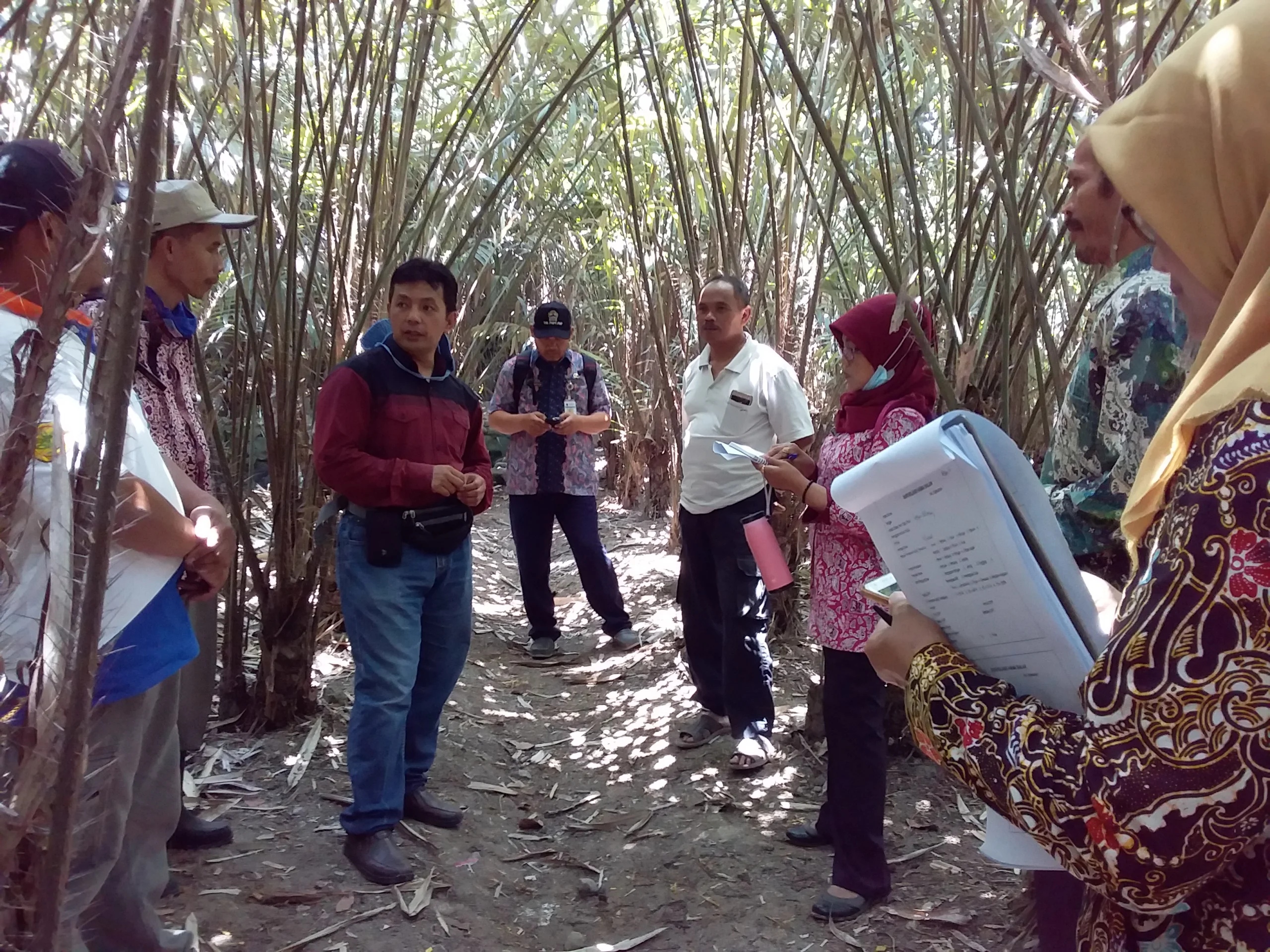
JurnalPost.com - A Community Service Team from the Faculty of Agriculture at Universitas Gadjah Mada (UGM) has introduced innovative fruit fly control methods based on the Sterile Insect Technique (SIT) and bioinsecticides to salak farmers in Imorejo, Wonokerto, Turi, Sleman. The program involved 30 participants and was conducted over 10 months, from 10 March to 10 December 2026, in collaboration with the Turindo Farmer Partner Association to support environmentally friendly salak farming.
Salak pondoh is a leading horticultural commodity in Sleman Regency, particularly in the Turi region. However, the threat of fruit fly infestations can cause significant fruit damage and reduce economic value. Managing this pest requires an approach that is effective against the target while considering environmental conservation and the sustainability of farming businesses. The UGM team introduced two alternative technologies as components of Integrated Pest Management (IPM).
First, the Sterile Insect Technique (SIT) is a population control method that utilizes the release of sterile male insects capable of competing with wild males to mate with females in the wild. These matings do not produce offspring, so if applied consistently, it has the potential to suppress pest populations from generation to generation without relying on chemical insecticide spraying. This activity is currently in the technology introduction phase for farmers.
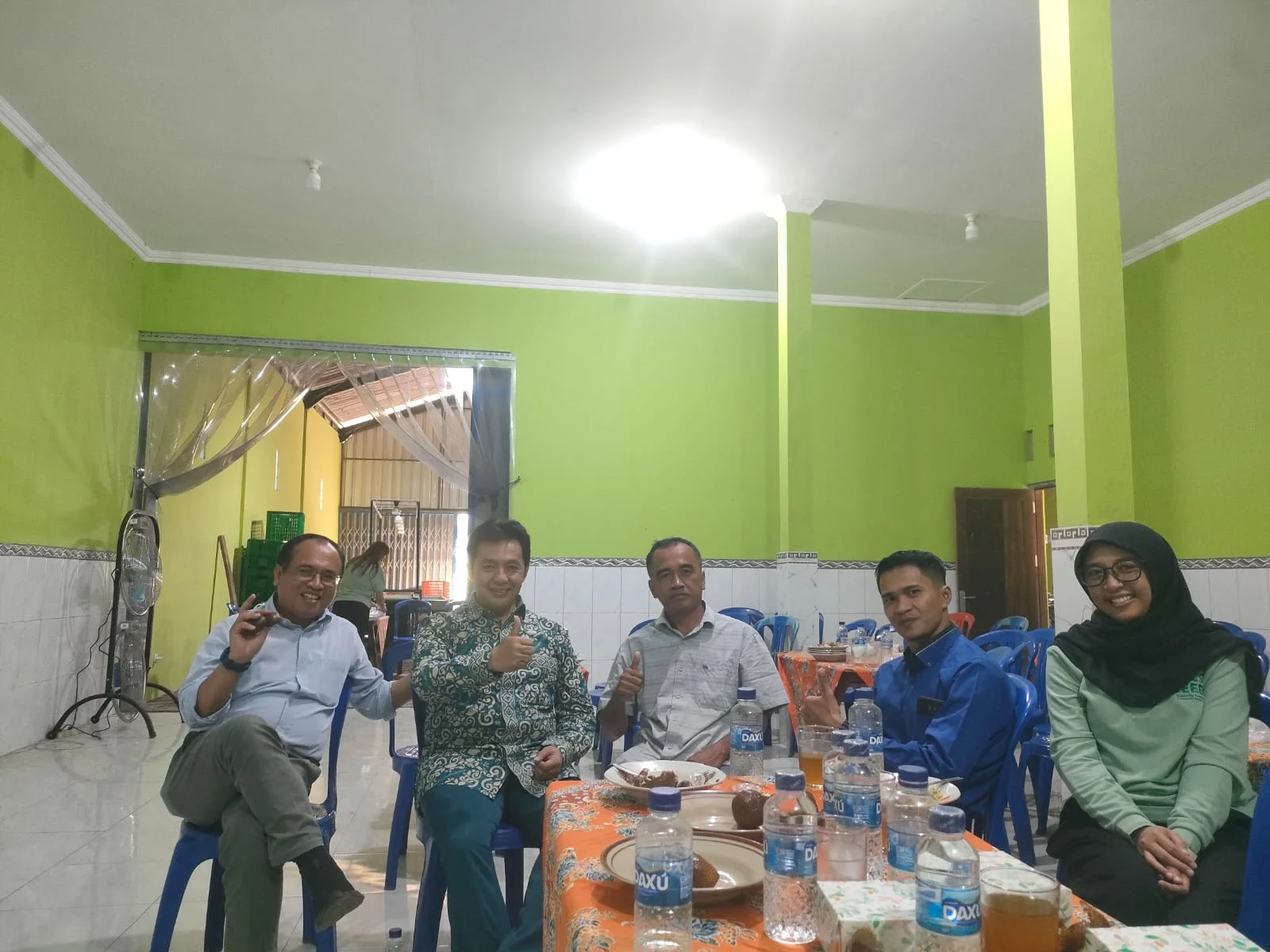
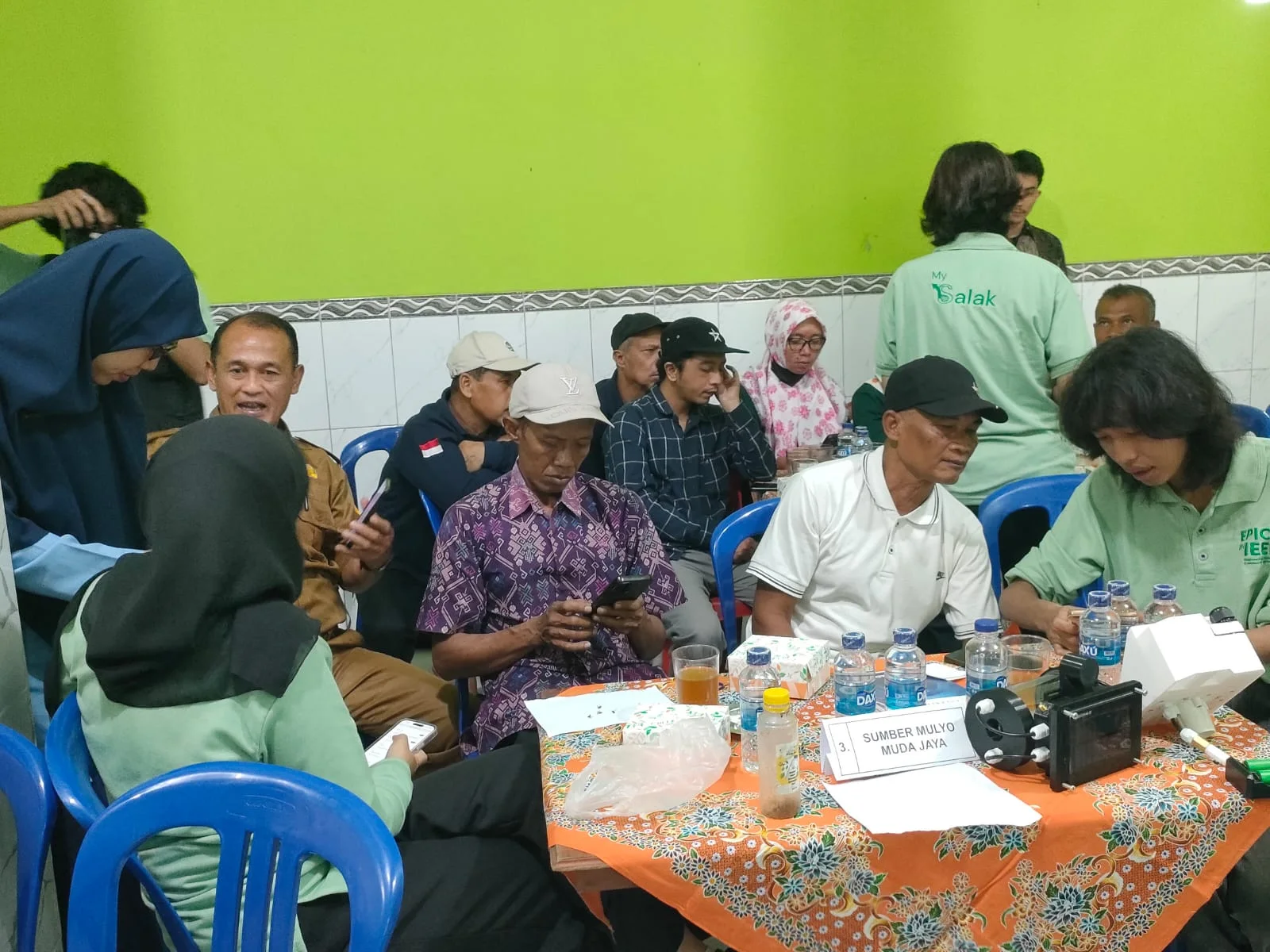
Second, bioinsecticides utilize active ingredients from biological sources, including specific microorganisms, to control target organisms while reducing reliance on synthetic chemical insecticides. Additionally, fruit fly monitoring technology using traps and a digital information system was introduced to help farmers obtain information on pest population dynamics systematically.
Fruit flies can migrate between orchards, so their management requires coordination among farmers and a landscape-scale approach. Through socialization and discussion, the UGM team built understanding regarding population monitoring, orchard sanitation, management of infested fruit, and appropriate control technology options.
This community service program is led by Dr. Suputa, S.P., M.P. (Department of Plant Pests and Diseases), along with an interdisciplinary team consisting of Prof. Ir. Subejo, S.P., M.Sc., Ph.D. (Department of Agricultural Socio-Economics), Ahmad Suparmin, S.P., M.AgrSc., Ph.D. (Department of Agricultural Microbiology), and students Eva Monica Wibisono, Hanifa Riezky Ramadhani, and Dirham.
The collaboration integrates plant protection, microbiology, community empowerment, and the development of farmer institutions. The introduction of this technique is an initial step in knowledge transfer to expand fruit fly control options in the Sleman salak production area, moving toward a competitive organic salak farming system.





Comments 0
Write a Comment Share your response