When the Rupiah Requires Stronger Defenses
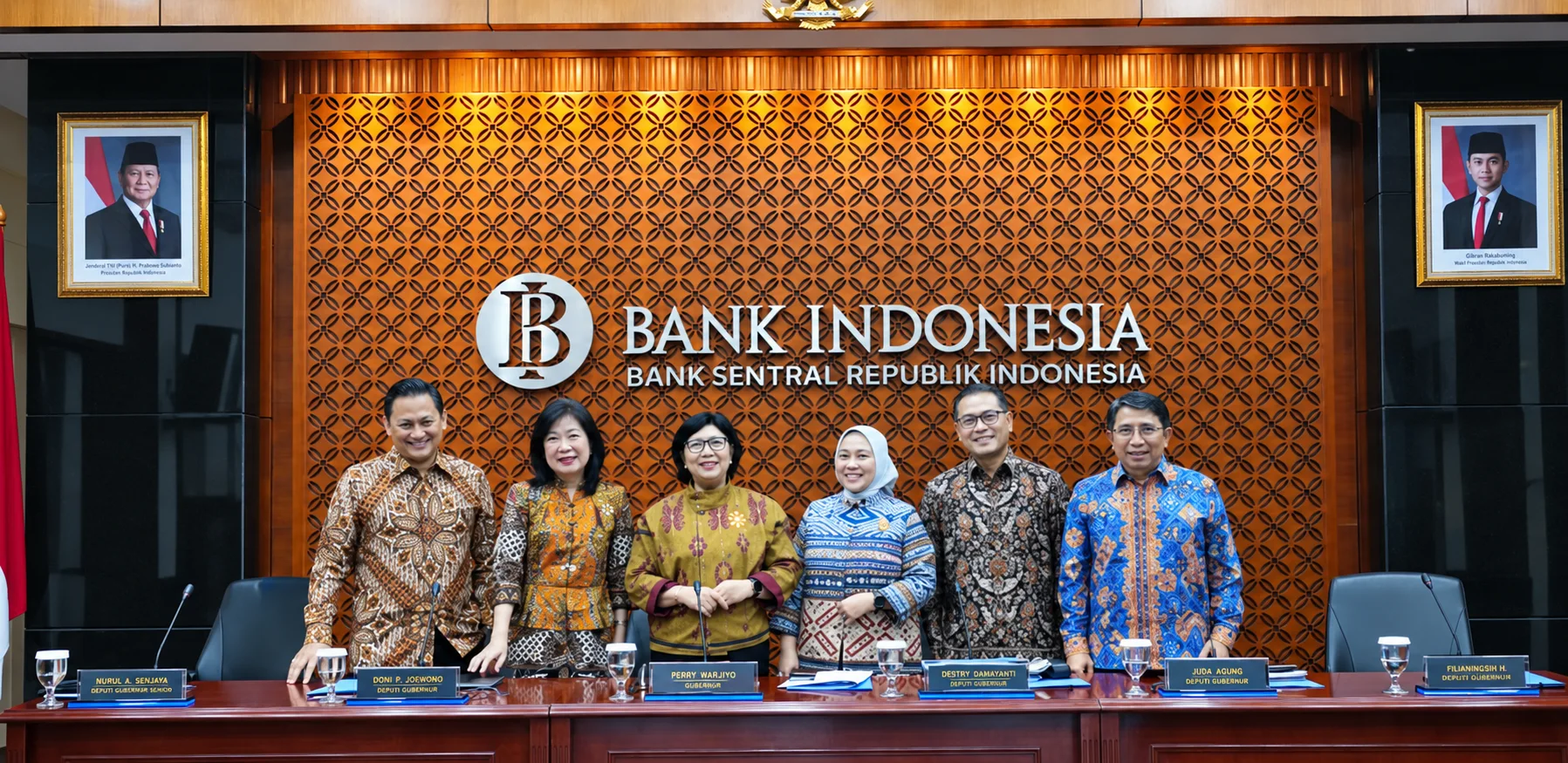
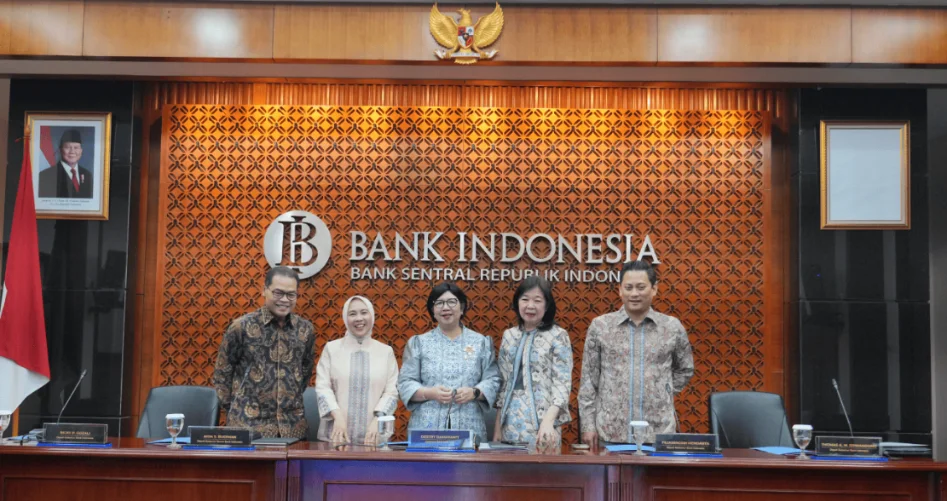
Bank Indonesia has raised its benchmark interest rate to bolster the rupiah against global economic uncertainty while balancing the need to sustain domestic growth. This move aims to ma...
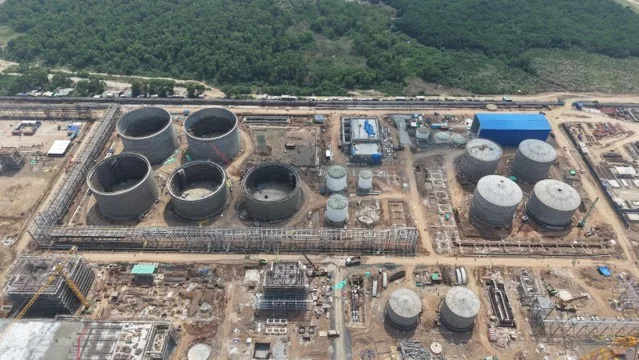

The Indonesian petrochemical industry faces significant growth potential driven by high domestic demand, though it must overcome hurdles related to raw material supply, energy costs, an...
While Indonesia's economy recorded a growth of 5.47 percent, many citizens continue to face financial hardship. This article explores the disconnect between macroeconomic indicators and...
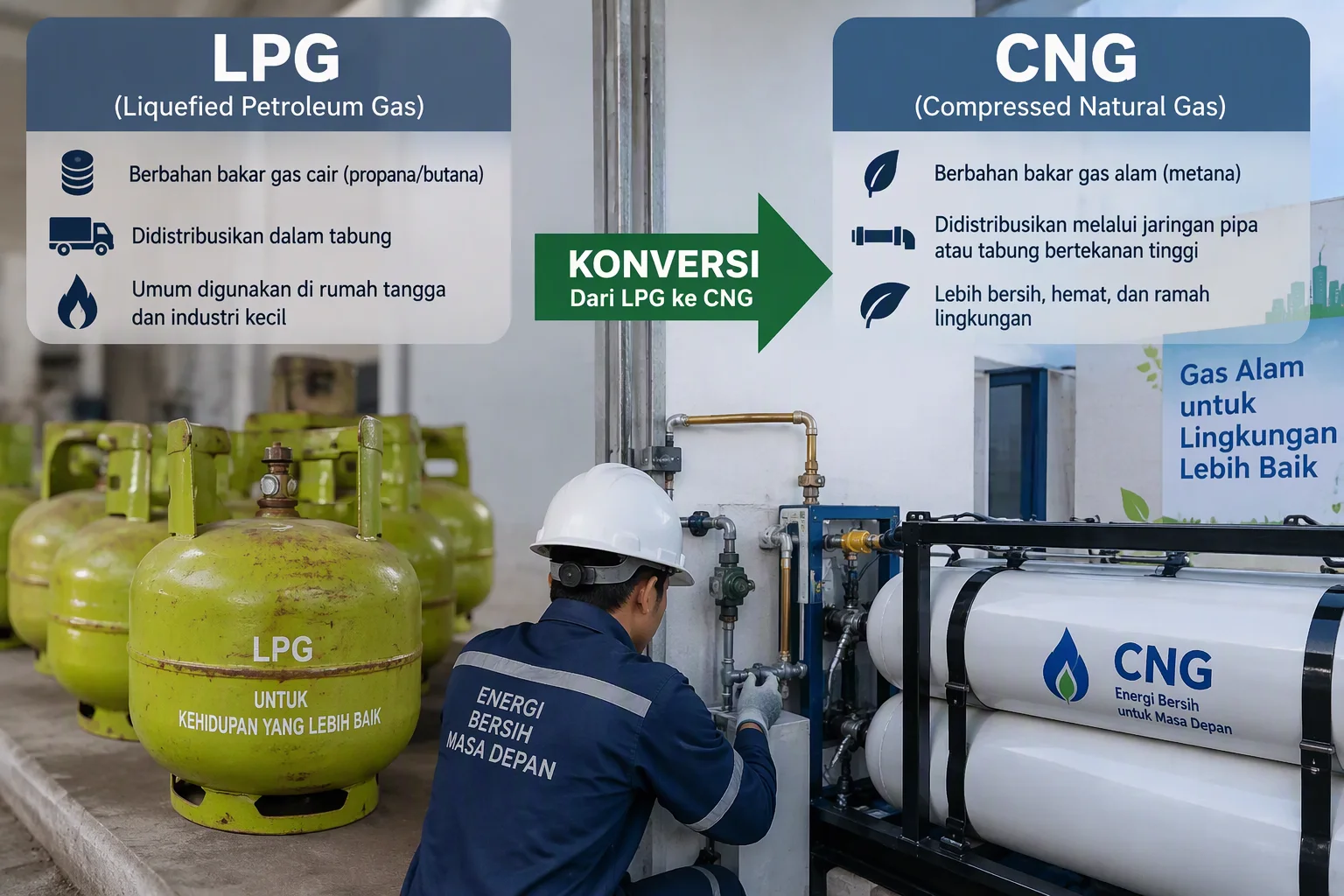
The discourse on shifting from LPG to Compressed Natural Gas (CNG) should be viewed as a strategic opportunity to overhaul Indonesia's household energy infrastructure. Rather than a sim...
The recent sharp decline of the Indonesia Composite Index (IHSG) highlights deep-seated concerns regarding market transparency and governance. This analysis explores whether the market...
Bank Indonesia has opted to maintain the BI-Rate at 5.75% while simultaneously easing liquidity through lower reserve requirements. This analysis explores how this dual-track strategy a...
This article analyzes the critical role of banking management, corporate governance, and risk oversight in maintaining the stability and resilience of Indonesia's financial system as of...
This analysis examines the 2027 State Budget (APBN), evaluating the government's expansive fiscal policy and 6 percent growth target against the backdrop of global economic volatility a...
Rising beef prices in Jabodetabek traditional markets have forced some traders to reduce their inventory to mitigate financial risks, as weakened consumer purchasing power leads to lowe...
While Indonesia's inflation remains within the target range, rising core inflation and shifting market expectations present new challenges. This analysis examines the interplay between...
Global geopolitical tensions are disrupting energy and food supplies, creating significant challenges for Indonesia's economic stability, consumer purchasing power, and corporate invest...
A prolonged period of tight global labor markets and low unemployment is keeping inflation above central bank targets. While Indonesia remains relatively stable, it must remain vigilant...
As the rupiah weakens and import costs rise, businesses are being forced to re-evaluate their production inputs. Companies must now optimize the balance between labor, capital, and raw...
Despite annual minimum wage increases, Indonesia's middle class continues to shrink as rising living costs and debt burdens outpace income growth. From factory workers to gig-economy dr...
Bank Indonesia's expansion of monetary operation instruments aims to strengthen policy transmission to the real sector while fostering liquidity in the financial markets. This strategic...
The September 2026 APBN KiTa report highlights a resilient fiscal performance, demonstrating how the state budget continues to drive economic growth while providing essential protection...