


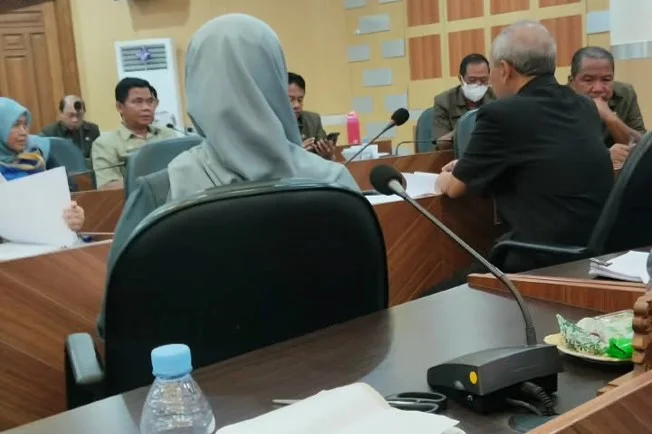
Surabaya, JurnalPost.com — Students from the Faculty of Law at the University of 17 August 1945 (Untag) Surabaya conducted a court observation session at the Surabaya Religious Court on Thursday, 15 October 2026.
The activity is part of the Legal Skills Training (PLKH) course on Religious Court Litigation, aimed at broadening students' understanding of procedural law, legal application, and the distinct characteristics of hearings within the Indonesian judicial system.
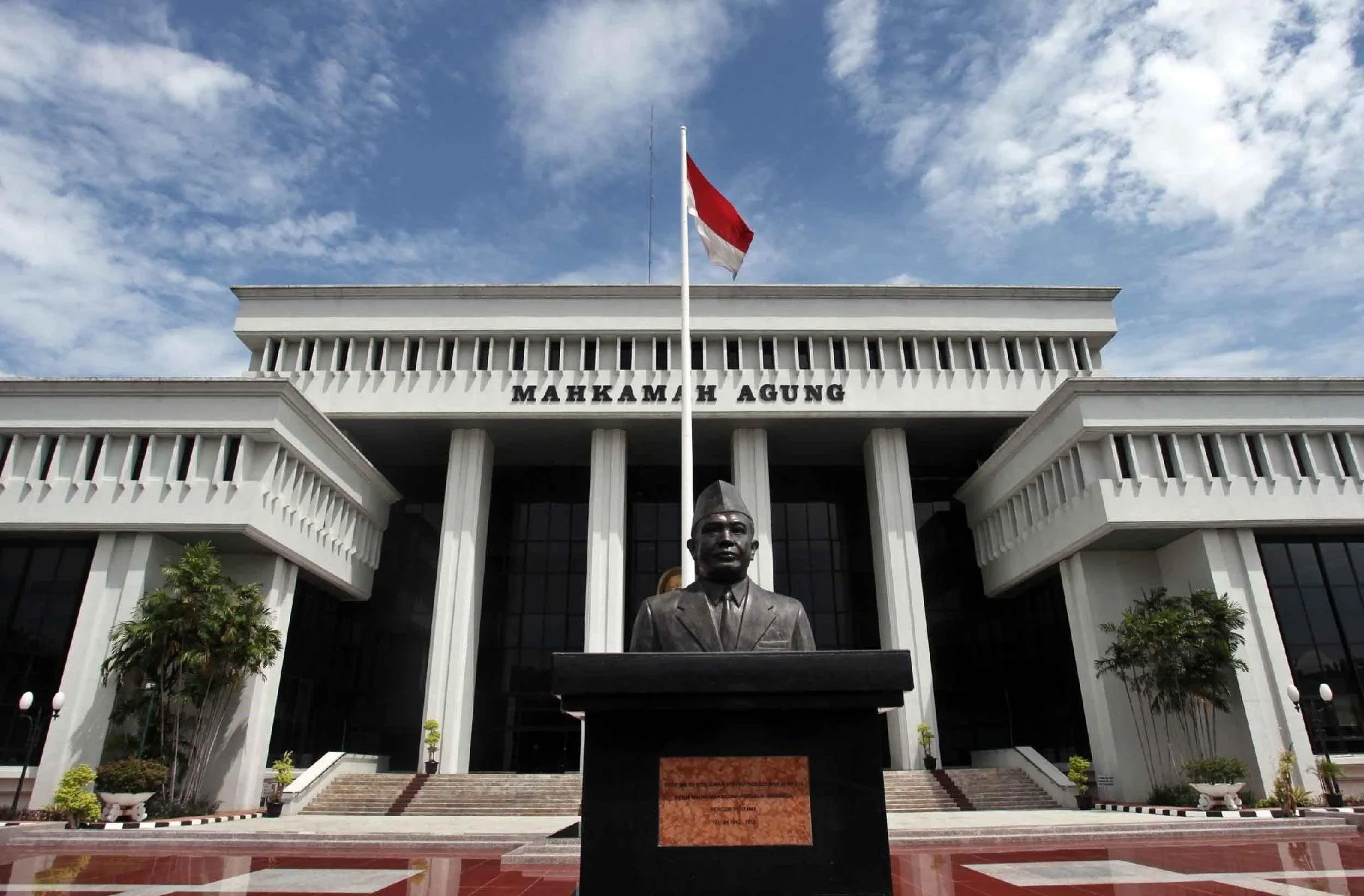
The observation took place at the Surabaya Religious Court, located at Jalan Ketintang Madya VI Number 3, Jambangan, Surabaya, from 09.00 to 10.15 WIB, with activities centered in Courtroom 4.
Through this activity, students studied various cases under the jurisdiction of religious courts, specifically divorce petitions, divorce requests, and marriage annulments.
The activity was carried out with university authorization while strictly adhering to the regulations, code of conduct, and access limitations applicable within the court environment.
Understanding the Differences Between Divorce Petitions, Divorce Requests, and Marriage Annulments
A key focus of the learning activity was understanding the differences between case types in Islamic family law.
Although divorce petitions, divorce requests, and marriage annulments all relate to marital relationships, they differ in terms of the filing party, legal basis, examination procedures, and legal consequences.
A divorce petition (cerai gugat) is a divorce case filed by the wife through the Religious Court. In this process, the wife acts as the plaintiff, while the husband is the defendant.
Meanwhile, a divorce request (cerai talak) is an application filed by the husband to the Religious Court to obtain permission to pronounce the divorce vow (talak) against his wife. In such cases, the husband acts as the petitioner and the wife as the respondent.
Marriage annulment is a legal process to invalidate a marriage based on grounds stipulated in statutory regulations.

Unlike divorce, which aims to end a marital bond, marriage annulment concerns the validity of the marriage based on applicable legal requirements.
Understanding the differences between these three types of cases provides essential preparation for students in studying religious court procedural law, particularly in identifying the standing of the parties and the mechanisms for case resolution.
Understanding Privacy and Ethics in Court
Beyond studying case types, students gained insight into the importance of privacy protection in judicial processes, especially in cases involving domestic life.
Divorce cases have unique characteristics because they involve personal relationships, family conditions, and sensitive information regarding the parties involved.
Based on applicable procedural law, divorce case hearings are held closed to the public. This provision aims to protect the interests and privacy of the parties involved.
Through this study, students learned that academic activities in a court setting require not only mastery of legal theory but also awareness of ethics and information confidentiality.
Information obtained during the observation cannot be disseminated indiscriminately, especially if it relates to the identities, personal issues, or interests of parties undergoing legal proceedings.
This awareness is a crucial part of shaping the professional attitude of future legal practitioners.
Recognizing the Differences Between Civil and Criminal Hearings
The observation also provided an opportunity for students to understand the different characteristics of civil and criminal hearings, particularly regarding the principle of open court proceedings.
In certain family cases, such as divorce, hearings are conducted behind closed doors to protect the privacy of the parties.
Meanwhile, criminal hearings are generally held open to the public as part of the principles of judicial transparency and accountability.
However, there are exceptions to this openness, particularly in cases that are required by law to be examined in closed sessions.
This distinction demonstrates that every type of case has its own procedural rules and characteristics that law students must understand.
By understanding these principles, students can recognize that both the openness and the restriction of court access have distinct legal foundations and objectives.
Studying the Stages of Summoning Parties
Another aspect that drew student attention during the Religious Court Litigation PLKH activity was the procedure for summoning the parties involved in a case.
Summoning is a critical stage in the litigation process as it relates to the official notification to the relevant parties to attend the hearing.
This procedure must be carried out in accordance with procedural law so that the parties have a proper opportunity to participate in the case examination process.
Through understanding the summoning stages, students learned that dispute resolution depends not only on the examination of the case's merits but also on administrative order and compliance with legal procedures.
Each stage serves an important function in safeguarding the rights of the parties and ensuring the judicial process proceeds according to applicable regulations.
Bridging Classroom Theory with Legal Practice
For students of the Untag Surabaya Faculty of Law, the observation at the Surabaya Religious Court served as a means to connect the material learned in class with its application in practice.
Direct learning in the court environment provided an overview of the standing of the parties, types of cases, procedural steps, and the application of ethics in the administration of justice.
This experience also helped students understand that legal practice requires precision, the ability to analyze issues, and awareness of the rights and obligations of the parties involved.
Through the Religious Court Litigation PLKH activity, students are expected to improve their understanding of family case resolution through the court system while strengthening their readiness for the legal profession.
This activity is a form of contextual learning that demonstrates that legal mastery cannot be achieved through theory and legislation alone.
The experience of recognizing the judicial process firsthand, understanding the different characteristics of cases, and respecting the privacy of the parties is a vital part of shaping professional, meticulous, and responsible legal practitioners.







Comments 0
Write a Comment Share your response