


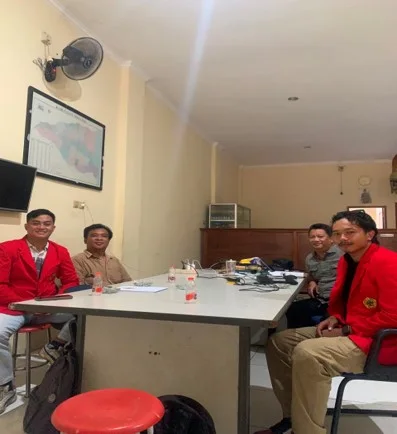
SURABAYA, JurnalPost.com – Two students from the Accounting Education Study Program, Faculty of Economics and Business (FEB), State University of Surabaya (UNESA), carried out an internship at the Electronic Engineering Polytechnic Institute of Surabaya (PENS) as part of an academic mobility partnership between the two universities.
The internship, which began on 10 August and is scheduled to conclude on 18 December 2026, was undertaken by Kyki Rafinda Wijaya and Melga Karin Azzahra. Both were placed in the PENS Finance Unit located on Jalan Raya ITS, Keputih, Sukolilo, Surabaya, East Java.
This academic mobility program provides students with the opportunity to gain direct work experience, develop academic and professional competencies, and apply the knowledge acquired during their studies to a professional work environment.
Understanding Accounts Receivable Management in Higher Education
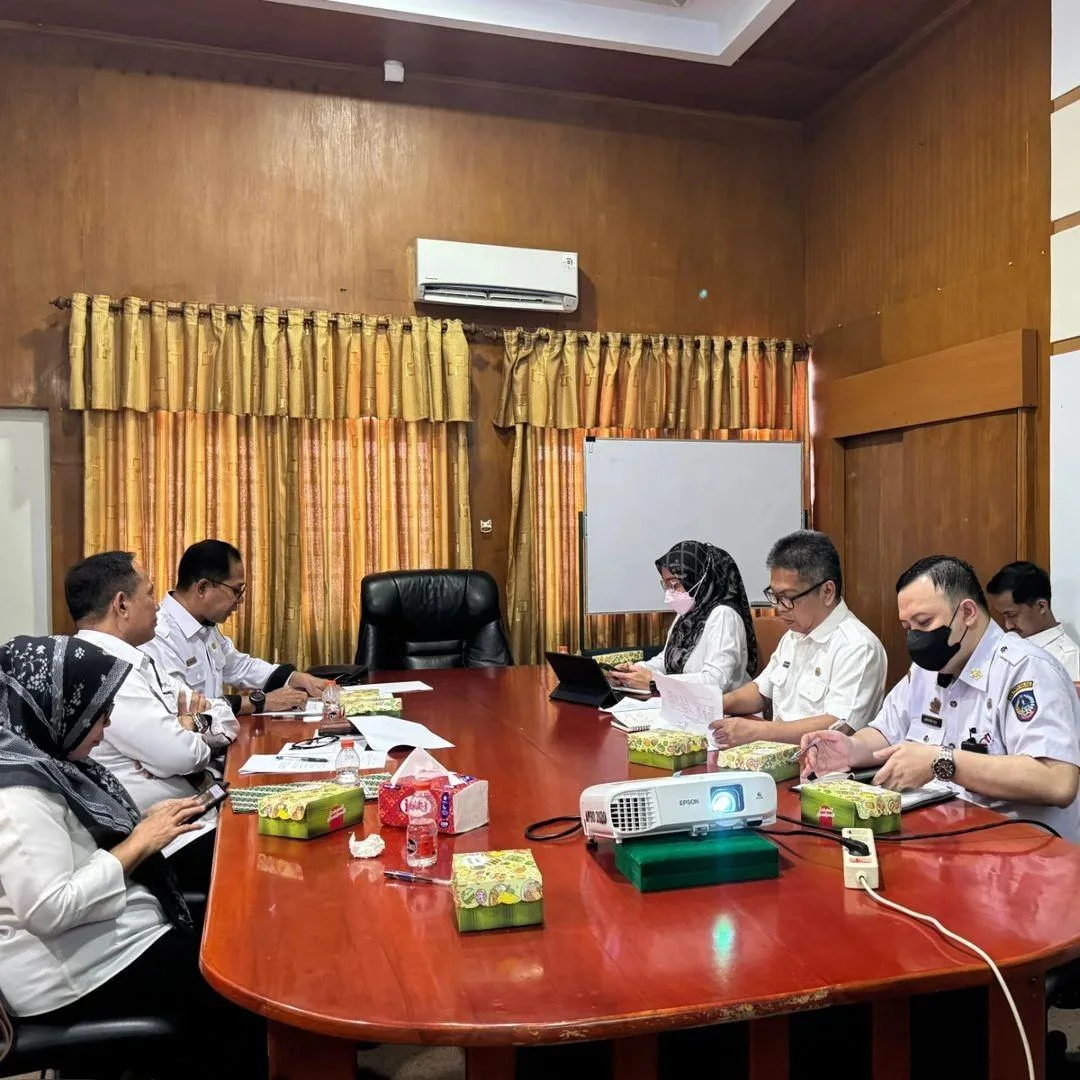
During their internship, the two students focused on administration and financial management, specifically regarding accounts receivable management within PENS work units.
Various activities were conducted, ranging from observing financial administration processes and learning accounts receivable management procedures to verifying document completeness, recording and recapitulating data, and drafting financial administration supporting documents.
Through these activities, the students gained an understanding of the stages of accounts receivable management, from recording and bookkeeping to billing and settlement.
This experience also provided insight into the importance of accuracy, organized documentation, and adherence to procedures in supporting the financial governance of an educational institution.
Direct involvement in the workplace also served as an opportunity for students to bridge the accounting theory learned in class with practical financial administration in the field.
Producing an Accounts Receivable Management Handbook
In addition to their operational duties, Kyki Rafinda Wijaya and Melga Karin Azzahra compiled an internship output in the form of a handbook titled Guidelines for Accounts Receivable Management in PENS Work Units.
The handbook was compiled as a contribution by the students toward the development of accounts receivable administration guidelines within PENS.
It includes several supporting materials, such as:
Guidelines for accounts receivable management in work units.
Accounts receivable settlement workflow.
Checklists for document completeness.
Administrative formats to support accounts receivable management.
The compilation of this handbook is expected to serve as a practical reference for implementing accounts receivable administration in a more systematic and structured manner.
The existence of these guidelines is also expected to assist in the document verification process and support the regularity of financial administration within PENS work units.
Bridging Accounting Theory and the Professional World
The internship program provides a learning experience that is not only oriented toward mastering theory but also toward developing the practical skills required in the professional world.
Students had the opportunity to improve their skills in data management, document verification, administrative drafting, and understanding institutional financial management procedures.
Beyond technical skills, the internship served as a means to develop professional attitudes, discipline, responsibility, attention to detail, and the ability to adapt to a work environment.
For Accounting Education students, this experience is an essential foundation for understanding the application of accounting principles in a real institutional context.
Strengthening Inter-University Collaboration
The academic mobility program between UNESA and PENS is a form of inter-university collaboration aimed at supporting the improvement of learning quality and student competence.
Through the internship, students not only gain professional experience but also have the opportunity to produce outputs relevant to the needs of partner institutions.
The compilation of the accounts receivable management handbook is a manifestation of applying academic knowledge while contributing to the development of financial administration.
With this program, collaboration between universities is expected to continue to grow and provide sustainable benefits for both students and partner institutions, particularly in creating learning that is applicable and relevant to the needs of the workforce.




Comments 0
Write a Comment Share your response