

JurnalPost.com — Human resources (HR) are the most vital asset in any organization. Advanced technology, capital, and work systems will not function optimally without competent individuals who are motivated and understand the direction and goals of their organization. Therefore, developing quality HR has become a critical agenda in both the private sector and government institutions.
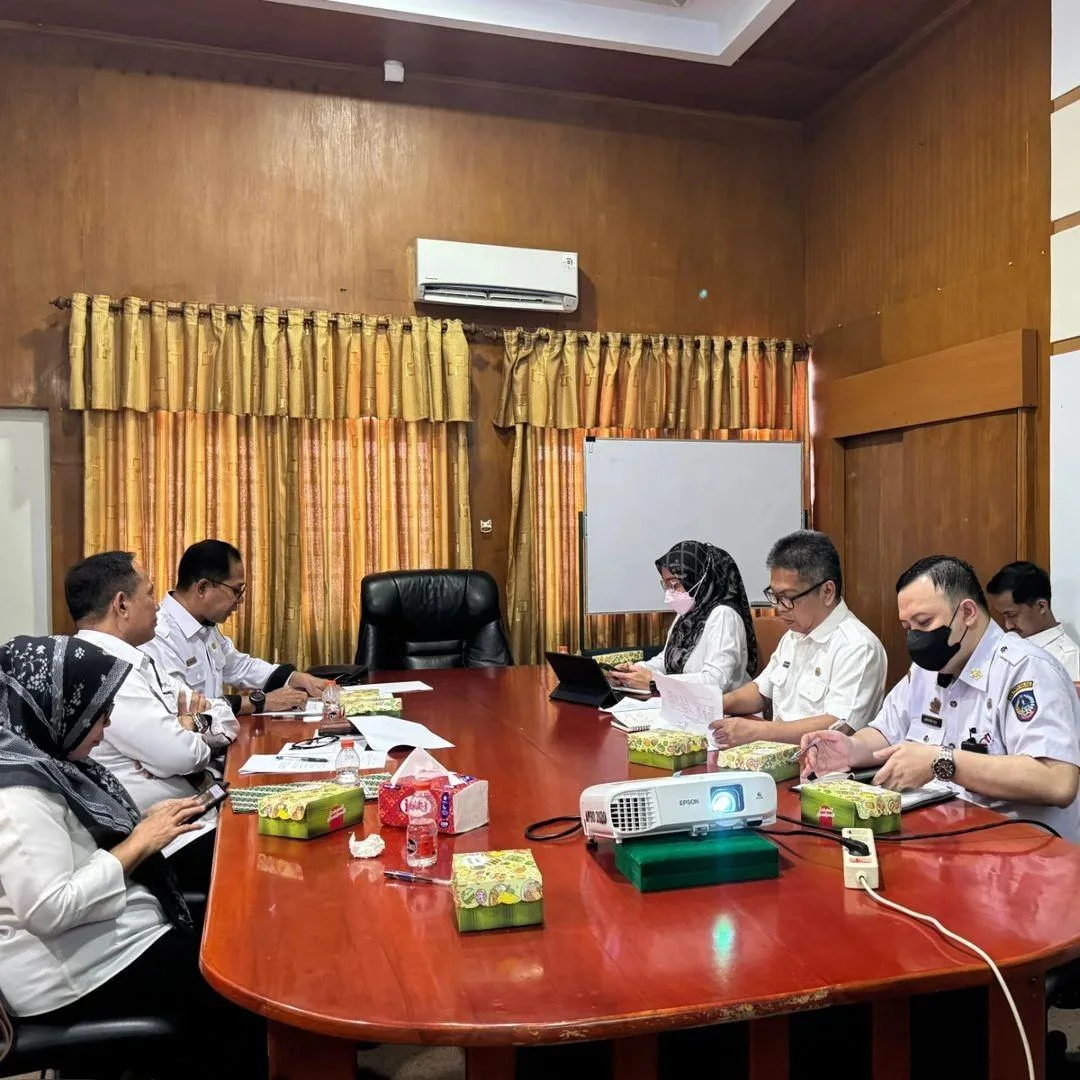
One factor often overlooked in HR development is organizational communication. Communication does not merely mean speaking or sending emails; it encompasses all forms of verbal and nonverbal interaction, such as meetings, presentations, and the use of visual media to maintain a shared understanding among organizational members (Razak, Mukti, & Nurdyansa, 2025).
When communication functions well, an organization is better equipped to face operational challenges and achieve its strategic goals.
However, practical experience shows that organizational communication does not always run optimally. Unclear messages, information filtering, a lack of transparency, and the spread of rumors can trigger misunderstandings, disrupt productivity, and hinder cross-unit collaboration.
Understanding Effective Organizational Communication
Effective organizational communication is the process of conveying and receiving messages within an organization so that information is understood clearly, is well-targeted, and results in appropriate action.
Effective communication allows an organization's vision, mission, and goals to be conveyed to all members consistently, creating a shared understanding for achieving strategic objectives (Razak et al., 2025).
In the context of HR development, communication serves as a means for learning, attitude formation, and role reinforcement. Employees who receive clear information will better understand their responsibilities, gain confidence in their work, and have opportunities to develop their competencies.
Anggarini (2019) likens communication to the bloodstream of an organization. Communication carries directives from leadership to staff, reports from staff to leadership, and information between colleagues to support the achievement of organizational goals.
This process involves a sender, a message, a medium, a receiver, and the communication effect. Communication is considered two-way when there is feedback from the message recipient.
The Role of Leadership and Employees in Organizational Communication
Organizational communication involves all elements of an organization, from leadership and structural officials to operational staff.
Research at the Human Resources Development Agency (BPSDM) of South Sulawesi Province shows that communication is a shared responsibility, not just a management task (Razak et al., 2025).
Transparent leadership that supports openness serves as the foundation for smooth information flow and strengthened collaboration. Conversely, employees also play an active role in conveying opinions, feedback, and challenges faced during their work.
According to Anggarini (2019), there are three directions of formal communication in an organization:
Downward communication, which is the delivery of information from leadership to subordinates in the form of directives, policies, goals, and task delegation.
Upward communication, which is the delivery of information, reports, aspirations, and feedback from subordinates to leadership.
Horizontal communication, which is communication between peers to support coordination, problem-solving, conflict management, and information exchange.
These three communication channels must function in a balanced manner so that every member of the organization can perform their role optimally.
The Importance of Communication for Human Resource Quality
Organizational communication plays a vital role in aligning goals, building trust, increasing motivation, and supporting the effectiveness of employee performance.
Through good communication, every member of the organization can understand the vision, mission, and values that form the basis of their work.
From the perspective of social exchange theory, relationships based on trust, recognition of contributions, and fair rewards can encourage organizational members to engage actively in achieving common goals (Blau, 1964).
Open communication also helps reduce confusion and conflict. Clearly conveyed messages minimize misunderstandings, while constructive conflict management allows the organization to remain productive despite differences of opinion.
Anggarini's research (2019) at the Center for Apparatus Human Resources Development (PPSDMA) shows a positive and significant relationship between organizational communication and employee performance effectiveness, with a correlation coefficient of 0.641.
In that study, organizational communication explained approximately 41 percent of the variation in employee performance effectiveness, while the remaining 59 percent was explained by other factors not examined.
These findings demonstrate that communication is one of the essential factors in supporting the quality of human resource performance.
Communication as a Continuous Process
Effective communication must be carried out continuously, not just when problems arise within the organization.
In practice, the BPSDM of South Sulawesi Province holds routine meetings, utilizes digital platforms to share information, and conducts periodic communication evaluations through internal surveys, evaluation meetings, and employee feedback (Razak et al., 2025).
A proactive approach to improving communication processes reflects an organization's commitment to adaptation and continuous improvement.
Communication also becomes increasingly important when an organization faces policy changes, technological developments, shifting public demands, and dynamic work environments.
Its application is not limited to the internal organizational environment. External communication with local governments, educational institutions, industry, and the public plays a role in building strategic partnerships.
For organizations with work units in various geographical locations, the use of communication technology is essential to maintain consistency and the timeliness of information delivery.
Strategies for Building Quality HR Through Communication
Based on research regarding organizational communication at the BPSDM of South Sulawesi Province, there are several strategies that can be applied to support the development of quality human resources.
First, implement transparency and openness. Leadership needs to convey information clearly and openly so that trust can be built at all levels of the organization.
Second, develop two-way communication. Organizations need to provide space for employees to express opinions, aspirations, and feedback so that communication becomes a collaborative process.
Third, utilize technology and various communication channels. The use of email, intranets, internal social media, and routine meetings can help deliver information quickly and make it easily accessible. However, the risks of information overload and the loss of context in digital communication must still be addressed.
Fourth, improve employee communication skills. The ability to speak, listen actively, write, and understand cultural context is a vital competency in creating effective communication.
Fifth, build an inclusive organizational culture. A work environment that provides employees with a sense of security to express ideas without fear of discrimination can increase engagement and productivity.
Sixth, conduct periodic evaluations and provide feedback. Employee satisfaction surveys, evaluation forums, and input from external stakeholders can help organizations identify shortcomings and improve the quality of their communication.
These six strategies are interrelated. A clear organizational structure, leadership that serves as a role model, and appreciation for employee contributions will strengthen the effectiveness of their implementation (Razak et al., 2025).
Anggarini (2019) also emphasizes the importance of improving interpersonal communication skills between leadership and employees to create a shared understanding that supports improved work quality.
Conclusion
Effective organizational communication is a key factor in building quality human resources. Clear, open, and two-way communication can align goals, foster trust, increase motivation, and strengthen coordination between work units.
Research findings at the BPSDM of South Sulawesi Province show that leadership transparency, an inclusive organizational culture, the use of technology, improved communication skills, and periodic evaluations are essential factors in supporting the effectiveness of organizational communication.
Research findings at the PPSDMA of the Ministry of Energy and Mineral Resources further reinforce this view by showing a positive and significant relationship between organizational communication and employee performance effectiveness.
Thus, organizations that wish to have superior human resources need to view communication as a strategic investment, not just a routine activity.
Leadership must serve as a role model in building openness, while all members of the organization must continue to develop their communication skills. Further research is also needed to explore the various factors that influence the effectiveness of organizational communication and strategies for its development in the future.
References
Anggarini, D. (2019). The influence of organizational communication on employee performance effectiveness at the Center for Apparatus Human Resources Development (PPSDMA). Jurnal Aparatur, 3(2), 112–121.
Blau, P. M. (1964). Exchange and Power in Social Life. Transaction Publishers.
Razak, F. J., Mukti, I., & Nurdyansa. (2025). Analysis of organizational communication effectiveness in improving organizational performance (a case study at the Human Resources Development Agency of South Sulawesi Province). Jurnal Riset Multidisiplin Edukasi, 2(6), 452–464.







Comments 0
Write a Comment Share your response