

JurnalPost.com – We often imagine health as a matter of hospitals and medicine. In reality, part of the key lies at home and in our daily habits: whether we wash our hands before eating, dispose of trash in its proper place, and ensure our bodies get enough movement and rest.
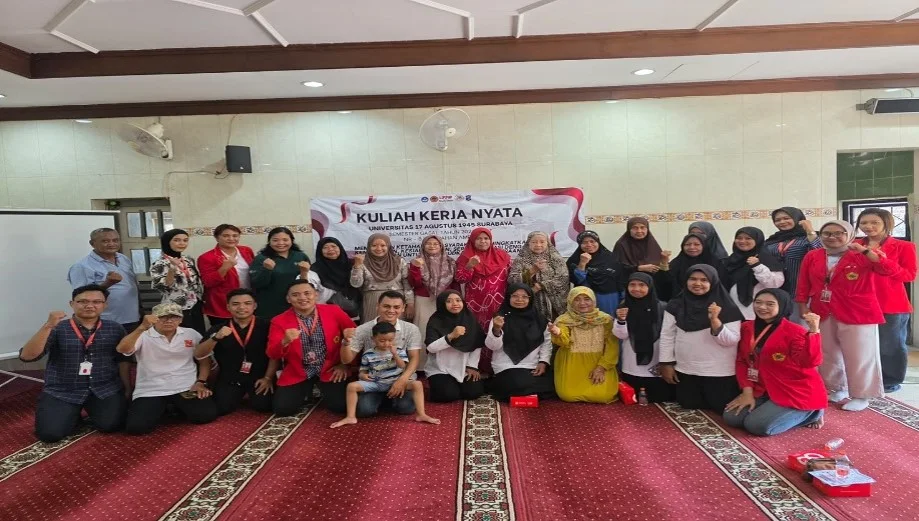
That is what we, four students from the KKN NR 08 group, brought to Sub-RW 07 through a socialization program on Clean and Healthy Living Behaviors (PHBS). It was not about complex theories, but simple messages that residents can immediately apply in their daily lives.
Starting with Yourself
The first message is to maintain personal hygiene, starting from bathing regularly after activities, washing hands before eating and after finishing tasks, to changing clothes that are damp with sweat.
Washing hands with soap and running water is one of the simplest steps to reduce the risk of disease transmission. The importance of this habit is also emphasized in the World Health Organization (WHO) hand hygiene guidelines.
Although it seems simple, this habit is significant when practiced consistently. Maintaining health does not always have to start with major actions, but can begin with caring for one's own personal hygiene.
Balanced Diet and Physical Activity
Healthy food does not have to be expensive. The most important thing is that the food is diverse, clean, and safe, consisting of staples, side dishes, vegetables, and fruits, complemented by sufficient water consumption.
Physical activity does not have to be strenuous exercise. Walking, playing actively with friends, exercising according to one's ability, and stretching are all part of an active lifestyle.
Regular sleep must also be maintained so the body has the opportunity to recover its energy. Unnecessary late-night habits should be reduced so that the body's rest requirements are met.
A Clean Environment is a Shared Responsibility
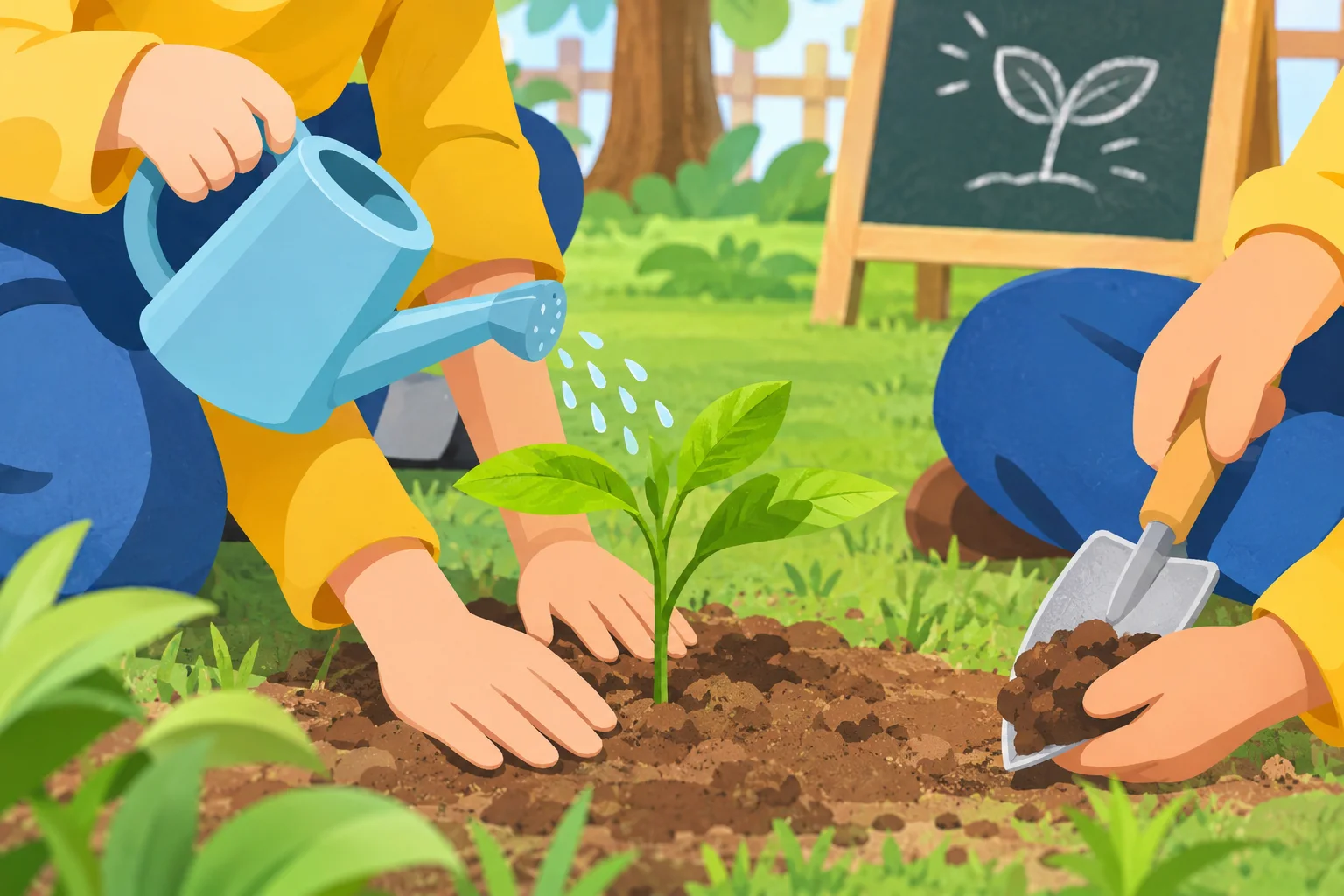
A clean body will struggle to remain healthy if the environment is dirty. Therefore, we also invited residents to dispose of trash in its proper place, tidy up their homes and rooms, care for plants, and reduce waste by using items wisely.
Environmental cleanliness cannot be achieved by just one or two people. Such efforts require consensus, care, and shared habits.
When every resident has the awareness to maintain environmental cleanliness, the benefits are felt not only by individuals but by the community as a whole.
Building Routines, Not Just Knowledge
Behavioral change rarely happens just from listening to a single counseling session. Such change is formed through routines practiced consistently, from waking up, cleaning oneself, having breakfast, doing activities, to resting.
We also encouraged residents to replace unhealthy habits, such as being sedentary, eating indiscriminately, and lacking sleep, with better habits, rather than simply forbidding them.
At the end of the event, we closed the activity with a “Healthy Living Challenge,” consisting of six simple questions that anyone can answer:
Have you washed your hands before eating today?
Have you drunk enough water?
Have you eaten vegetables and fruits?
Have you engaged in physical activity?
Have you maintained environmental cleanliness?
Have you slept according to your needs?
These questions serve as a reminder that maintaining health can start by evaluating our own daily habits.
Future Hopes
This socialization is merely a spark. Its sustainability lies in the hands of the residents and local officials, for example, through routine community service activities and the installation of simple reminders in public places.
Making PHBS a collective movement requires sustained awareness and commitment. Knowledge about health needs to be translated into concrete actions so that the benefits can be felt in daily life.
Ultimately, living a clean and healthy life is not about who can make the biggest change, but about how each person is willing to start the change from themselves.
A clean and healthy life starts from small things done together and continuously.





Comments 0
Write a Comment Share your response