

Author: Grace Sissela Marpaung
UPN “Veteran” East Java
MOJOKERTO, JurnalPost.com – Attractive tourism potential is not always enough to make a village a leading destination. Beyond natural beauty and cultural richness, the community's readiness to welcome tourists is a key factor in the success of tourism village development.
Environmental awareness, local hospitality, and service quality are essential components in creating a memorable visitor experience. This was the focus of a capacity-building program for the community of Duyung Village, Trawas District, Mojokerto Regency, East Java.
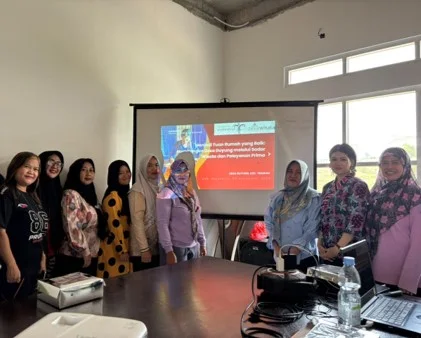
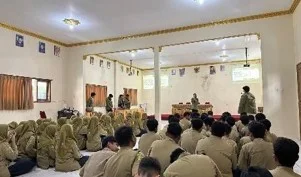
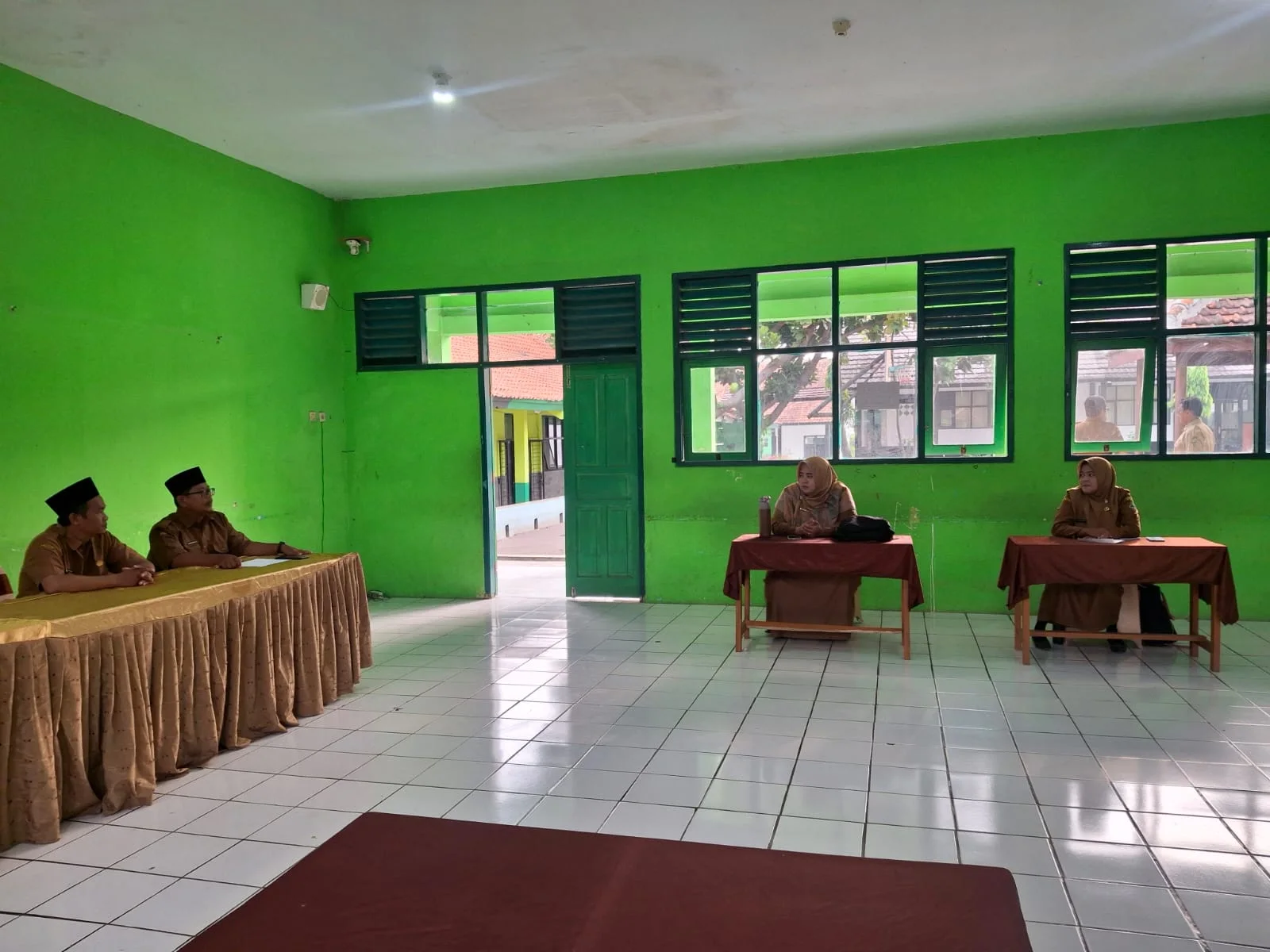
A team of community service lecturers from the University of Surabaya (Ubaya) held an educational event titled “Being a Good Host: Building Duyung Village through Tourism Awareness and Excellent Service” at the Duyung Village Hall on Friday (6/11/2026).
The event featured Grace Sissela Marpaung as a speaker to provide insights into the importance of community involvement in developing tourism based on local potential.
Through this activity, residents were encouraged to understand that the success of a tourism village does not depend solely on the existence of tourist attractions, but also on the community's ability to create an environment that is safe, comfortable, clean, and friendly for visitors.
Building a Tourism Village through Active Community Participation
In her presentation, Grace Sissela Marpaung explained that the strength of a tourism village does not lie solely in its landscape.
Local culture, resident creativity, community economic activities, and daily life can also serve as attractions that provide a unique experience for tourists.
Therefore, developing a tourism village requires the involvement of various community elements, ranging from tourism managers and local business owners to youth and residents living around the tourist area.
This participation is crucial so that tourism activities not only increase visitor numbers but also open economic opportunities and provide social benefits for the local community.
Residents play a role in maintaining cleanliness, creating a conducive atmosphere, and building a positive image of the village through their interactions with tourists.
A community-based approach can also help maintain a balance between economic development and environmental sustainability.
Introducing Sapta Pesona as the Foundation for Tourism Awareness
One of the main topics discussed was the concept of tourism awareness, realized through the implementation of Sapta Pesona.
Sapta Pesona consists of seven elements, namely safe, orderly, clean, cool, beautiful, friendly, and memorable.
These seven elements serve as guidelines for creating a tourism environment that provides comfort while leaving a positive impression on visitors.
Implementation does not always require expensive facilities or large-scale infrastructure development. Changes can begin with simple habits in daily life.
Maintaining the cleanliness of roads and public facilities, providing trash bins, organizing parking areas, and providing clear information to visitors are examples of actions that the community can take.
The same applies to the habit of greeting tourists warmly, assisting visitors who need information, and maintaining environmental order.
These steps are part of the effort to build a pleasant tourism experience.
In tourism village development, community hospitality can even become a unique attraction because it creates a closer connection between tourists and the local environment they visit.
Excellent Service is the Key to Tourist Comfort
In addition to strengthening tourism awareness, participants also received material on excellent service .
This concept emphasizes the importance of providing the best service to tourists through professional attitudes, good communication, and the ability to understand visitor needs.
Excellent service is not just about available facilities, but also about how the community responds to questions, provides assistance, and handles various situations while tourists are in the village.
Polite communication, providing easily understood information, and a willingness to help tourists are part of the service quality that needs to be developed.
For tourism villages that involve the community directly, these skills play a vital role in building visitor trust.
Tourists who have a positive experience are more likely to have a good impression of the destination and be interested in returning.
Therefore, improving service skills is an inseparable part of efforts to strengthen the competitiveness of community-based tourism destinations.
Residents Invited to Identify Duyung Village's Tourism Potential
The capacity-building activity did not just consist of lectures. Participants were also involved in discussion sessions and practical exercises.
In these sessions, the community was invited to identify various tourism potentials in Duyung Village, including environmental uniqueness, community activities, and opportunities to develop tourism experiences based on local potential.
Participants also discussed how the Sapta Pesona elements could be applied in daily life.
Aspects of focus included environmental cleanliness, community hospitality, public facility order, as well as visitor safety and comfort.
This discussion provided space for residents to view the village from a tourist's perspective while understanding the role they can play in improving the quality of the destination.
Through a participatory approach, the community not only received information but was also encouraged to recognize the strengths and development needs of their own village.
Encouraging Duyung Village to Become a Sustainable Destination
The community service activity organized by the Ubaya lecturer group is expected to be a step toward strengthening the readiness of the Duyung Village community in facing the development of the tourism sector.
Understanding tourism awareness and excellent service needs to be translated into tangible habits, both in community activities and when interacting with tourists.
Consistent application of Sapta Pesona can help create a village environment that is more organized, clean, comfortable, and attractive to visitors.
Meanwhile, improving service capabilities can strengthen the quality of the tourism experience while supporting the local community's economic activities.
Tourism village development also needs to consider environmental sustainability so that the growth in visits does not diminish the quality of the natural resources that are the destination's main strength.
With community involvement, strengthened service quality, and responsible utilization of local potential, Duyung Village has the opportunity to develop tourism that provides long-term benefits.
Ultimately, the success of a tourism village is not determined solely by the beauty of the place visited, but also by the experience felt by the tourists.
Community hospitality, a well-maintained environment, and quality service can be reasons for visitors to remember Duyung Village and return for another visit.





Comments 0
Write a Comment Share your response