

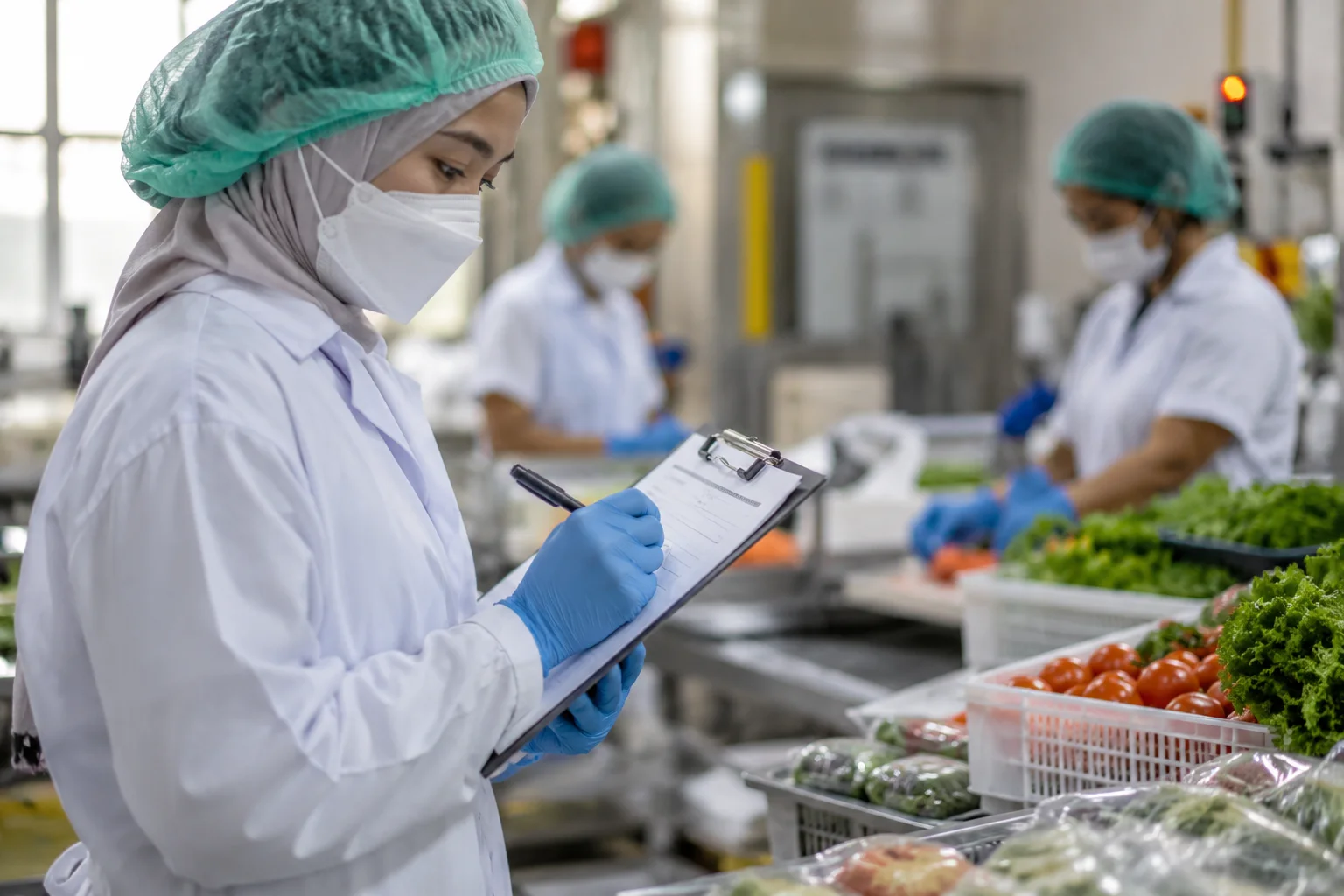
JurnalPost.com - Food is a basic human necessity that plays a vital role in meeting nutritional needs and maintaining health. Therefore, food safety and quality require serious attention, starting from production, processing, and storage to distribution to consumers. Unsafe food can lead to various health issues, including food poisoning.
In Indonesia, relatively high temperatures and humidity, unhygienic processing, and improper storage can accelerate food spoilage. In addressing these challenges, food technology plays a crucial role as a solution to maintain the safety and quality of products through various methods of preservation, packaging, and quality control.
According to information from the Indonesian Food and Drug Authority (BPOM) in 2024, 2,999 food distribution facilities were inspected during oversight activities leading up to Christmas 2024 and New Year 2025, as of December 18, 2024. Of that number, 838 facilities, or approximately 27.94 percent, were found to be non-compliant with regulations.
The findings from this oversight included expired food at 63.13 percent, food without distribution permits at 32.27 percent, and damaged food at 4.61 percent. This data indicates that food oversight and management still need to be improved so that products circulating in the community meet safety requirements.
The Importance of Food Preservation and Management Technology
In my view, food safety issues can be addressed by increasing the awareness and responsibility of business operators in maintaining the quality of the products they market. A lack of expiration date checks, improper storage, and low compliance with regulations can increase the risk of circulating food that does not meet requirements.
Therefore, business operators need to conduct regular stock checks and implement a system of First Expired, First Out (FEFO), which is an inventory management method that prioritizes products with the nearest expiration date for use or distribution first.
In addition to stock management, the application of food preservation technology must be tailored to the characteristics of each product. Pasteurization, for example, can be used to reduce the number of harmful microorganisms in certain food products. Meanwhile, drying methods can help extend shelf life by reducing the moisture content in food ingredients.
Cooling and freezing technologies also play an important role in maintaining the quality of perishable food ingredients, such as fish, meat, and milk. The application of appropriate storage temperatures can slow the growth of microorganisms and help maintain product quality before it is consumed by the public.
The Role of Packaging in Maintaining Food Safety
Beyond preservation and quality control, packaging technology plays a significant role in maintaining food safety. The use of appropriate packaging can protect products from dust, air, humidity, and microbial contamination that could potentially accelerate spoilage.
For example, the use of airtight packaging can help maintain the quality of certain types of food by limiting the product's contact with the external environment. However, the selection of materials and types of packaging must still be adjusted to the characteristics of the food and its storage conditions.
Good packaging must also be supported by hygienic processing. Without the application of adequate cleanliness, the use of packaging technology cannot fully guarantee product safety until it reaches the consumer's hands.
Cleanliness and Sanitation as Supporting Factors
The application of cleanliness and sanitation is a factor that cannot be separated from efforts to maintain food safety. The cleanliness of processing equipment, storage areas, and the production environment must always be monitored to reduce the risk of contamination.
Business operators also need to encourage workers to wash their hands before handling food, maintain the cleanliness of equipment, and separate raw food ingredients from cooked food. These steps are important to prevent cross-contamination that could endanger consumer health.
In my opinion, the application of cleanliness and sanitation is a fundamental part of the food safety system. Increasingly sophisticated preservation technology will not yield maximum results if cleanliness during the production process is still ignored.
Therefore, increasing the knowledge and skills of workers in the food processing sector must also be carried out continuously. With a good understanding, every stage of processing can be carried out more safely and responsibly.
Realizing Safe and Quality Food
Food technology plays a vital role in improving food safety and quality in Indonesia through the application of methods for preservation, packaging, storage, and product quality monitoring.
However, the utilization of this technology must be balanced with compliance with regulations, consistent oversight, and increased public awareness regarding the importance of food safety.
I believe that collaboration between the government, business operators, and consumers is an important step to reduce the circulation of food products that do not meet requirements. The government plays a role in conducting oversight, business operators are responsible for maintaining product quality, and consumers need to be more careful in choosing the food they consume.
Through the application of appropriate food technology, supported by cleanliness, oversight, and shared responsibility, it is hoped that the public can obtain food that is safe, high-quality, and fit for consumption. Thus, food technology not only contributes to extending product shelf life but also plays a role in protecting health and improving the welfare of the community.







Comments 0
Write a Comment Share your response