

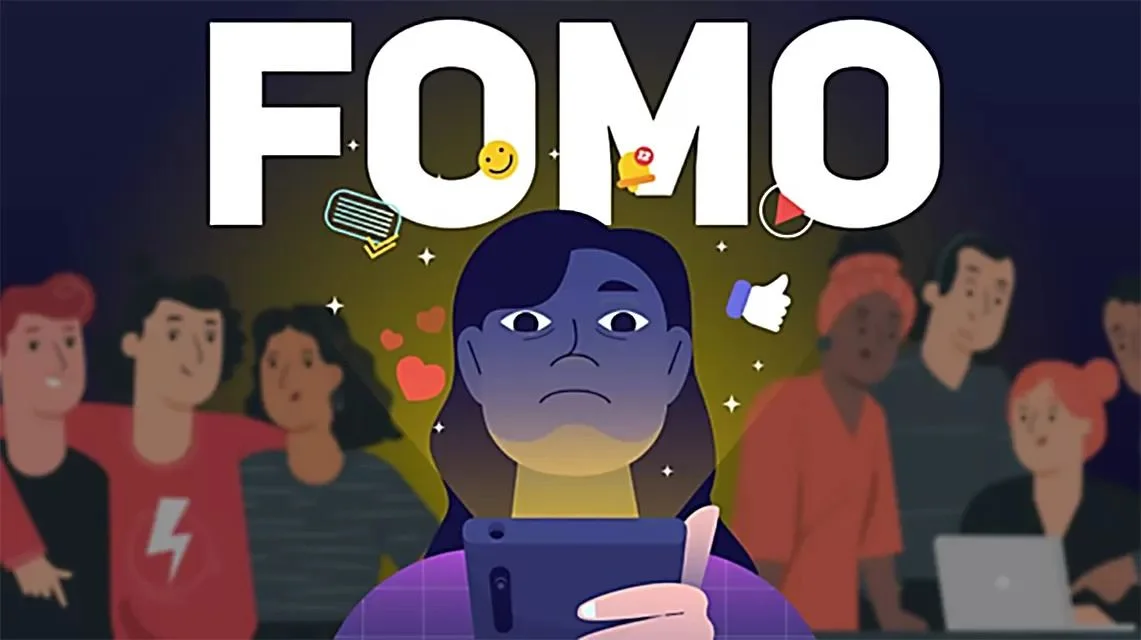
JurnalPost.com - Amidst rapid technological advancements, social media has become an inseparable part of Generation Z's life. Information, trends, and daily activities are accessible at the touch of a phone screen. Social media provides opportunities to connect with others, discover new things, and keep pace with the times.
However, behind this convenience lies a phenomenon increasingly felt by young people: the Fear of Missing Out , commonly known as FOMO.
FOMO is the fear of being left behind from experiences, trends, or activities others are enjoying. This feeling usually arises when someone perceives the lives of others as more fun, interesting, or successful than their own. For instance, when seeing friends visit popular spots, attend concerts, buy viral products, or participate in certain activities, one may feel that they must do the same. This is not necessarily out of genuine desire, but rather from a fear of being excluded from their social circle.
One factor driving FOMO is the excessive use of social media. Digital platforms allow individuals to view the lives of others constantly. Posts about vacations, academic achievements, friendships, and lifestyles often showcase only the most enjoyable aspects. In reality, what is displayed on social media does not always reflect the full reality. People tend to share their best moments, while struggles and personal issues are rarely shown openly. Consequently, social media users may form the perception that others' lives are always better than their own. Beyond social media, peer environments also influence the emergence of FOMO.
In daily life, individuals sometimes feel the need to follow group habits to remain accepted and avoid being seen as different. This is evident in the desire to follow fashion trends, try popular dining spots, or purchase specific products widely used by peers. In such conditions, decisions are not always based on personal needs, but on the desire for social validation. This phenomenon shows that FOMO is not just about technology, but also about the human need to feel accepted within a social circle.
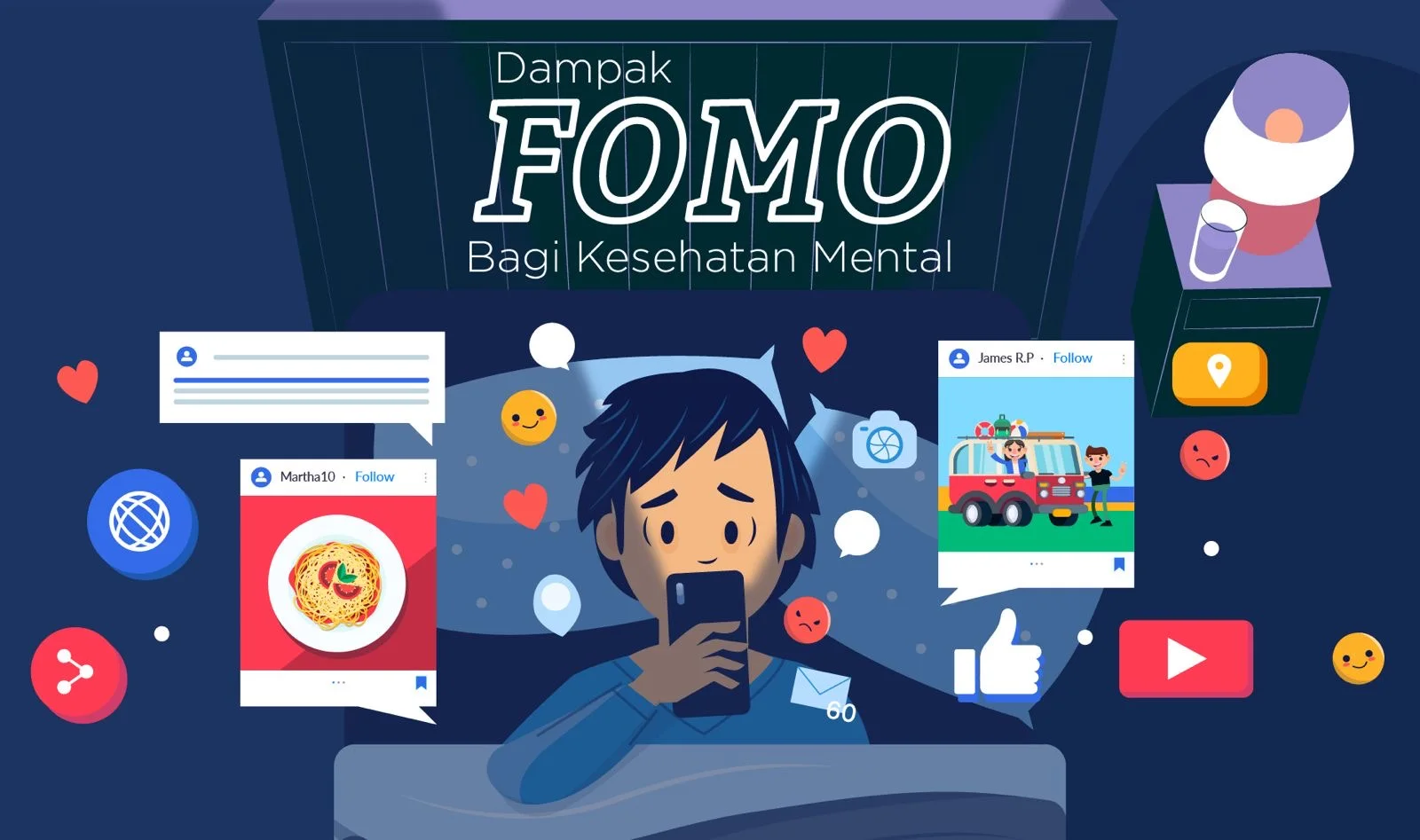
The impact of FOMO is visible in how individuals view themselves and make decisions. When constantly comparing their lives to others, individuals may feel dissatisfied with their own achievements. Things that were previously considered sufficient and fulfilling slowly feel mundane because others are having different experiences. This feeling can create pressure to always keep up, even when one actually needs time to rest. In student life, for example, FOMO can arise when someone feels left behind because their friends are participating in various activities, have specific achievements, or appear more active in campus life.
Beyond affecting emotional well-being, FOMO can also drive consumerist behavior. The desire to follow trends sometimes leads people to buy items they do not actually need. Viral products can seem like essential necessities simply because many others are using them. If this habit continues, individuals may lose the ability to distinguish between needs and wants. In this sense, FOMO can be a factor influencing the consumption patterns of Generation Z, especially when purchasing decisions are based more on social pressure than rational consideration.
Nevertheless, FOMO should not always be viewed as entirely negative. The desire to stay informed and participate in social activities is natural. Social media can also be beneficial if used to obtain information, build relationships, and find inspiration. Problems arise when someone starts feeling that they must always follow everything to avoid being left behind. Therefore, it is important for Generation Z to build awareness in using social media and understand the boundary between keeping up with trends and losing control over personal choices.
One way to address FOMO is to be more selective in using social media. Individuals can start by limiting screen time, reducing the habit of comparing themselves to others, and choosing content that provides positive benefits. Additionally, it is important to recognize personal needs and priorities. Not every trend must be followed, not every invitation must be accepted, and not every experience of others must become the standard for one's own life. By understanding this, individuals can make decisions based on their own desires, rather than solely due to pressure from their environment.
Ultimately, the FOMO phenomenon serves as a reminder that life should not be lived just tochase what others have or do. Every individual has a different process, opportunity, and set of achievements. Social media may show lives that appear perfect, but that does not mean a simpler life is any less valuable. Generation Z needs to understand that keeping up with the times does not mean following every emerging trend. Because the most important thing is not how many experiences one manages to share with others, but how capable one is of enjoying and appreciating their own life.







Comments 0
Write a Comment Share your response