

JurnalPost.com - Tuberculosis, or TB, is often perceived as a disease that only burdens the infected individual. However, when examined more deeply—both in terms of transmission and the resulting social impact—this assumption is not entirely accurate.
TB is one of the oldest infectious diseases in human history. To this day, it remains a public health challenge that requires serious attention at both global and national levels.
According to World Health Organization (WHO) data, an estimated 10.8 million people suffered from TB worldwide throughout 2023. This figure includes approximately 6 million adult men, 3.6 million adult women, and 1.3 million children.
More concerningly, the disease causes approximately 1.25 million deaths per year, including about 161 thousand deaths among patients living with HIV. This high mortality rate indicates that TB remains one of the deadliest infectious diseases in the world.
In Indonesia, TB is also a leading cause of death from infectious diseases. The high burden of cases shows that controlling this disease requires attention, management, and concern from various parties.
This condition confirms that TB is not merely a medical issue that ends when a patient receives treatment. More than that, TB is a shared health problem that requires responsibility and concrete action from all levels of society.
TB and Its Link to Socioeconomic Conditions
One of the fundamental reasons why tuberculosis is classified as a public health issue is the nature of its transmission and its connection to social and economic conditions.
TB is caused by the bacterium Mycobacterium tuberculosis which generally attacks the lungs but can also infect other organs.
The bacteria that cause TB can spread through the air when a person with active pulmonary TB releases infectious particles, such as when coughing, speaking, or singing. Small particles containing the bacteria can linger in the air, especially in closed rooms with poor ventilation, and be inhaled by others.
The risk of transmission is higher in environments with high housing density, inadequate air circulation, and unhealthy living conditions.
In addition to environmental factors, TB is closely linked to poverty. Economic limitations can make it difficult for someone to obtain nutritious food, live in housing that meets health standards, and face barriers to accessing medical services.
Malnutrition and unhealthy living environments can increase susceptibility to TB.
Conversely, when someone suffers from TB and is unable to work, their family may lose their source of income. This situation can be exacerbated by transportation costs, the need for caregivers, and other expenses incurred during treatment.
Thus, poverty can increase the risk of TB, while TB can worsen a family's economic situation.
Therefore, TB control efforts need to address both health factors and the socioeconomic conditions of the community.
Risk Factors Increasing Susceptibility to TB
Various public health studies show that a person can develop active TB due to the interaction of several factors, ranging from immune system conditions and lifestyle habits to comorbidities.
In general, there are seven risk factors that require attention.
First, low economic status and low levels of education. Economic limitations can lead people to live in cramped, high-density housing and struggle to meet nutritional needs. Housing density increases the chance of transmission, while malnutrition can weaken the body's defenses.
Second, smoking habits. Exposure to cigarette smoke, whether active or passive, can disrupt respiratory health and weaken the body's defense mechanisms. This condition can increase susceptibility to infection and the development of active TB.
Third, excessive alcohol consumption. This habit can impair immune system function and increase a person's risk of developing TB.
Fourth, diabetes mellitus. Uncontrolled blood sugar levels can affect the immune response, meaning people with diabetes have a higher risk of developing active TB. Conversely, a TB infection can also make it difficult to control blood sugar levels.
Fifth, HIV infection. People living with HIV have a higher risk of developing active TB due to a weakened immune system. Therefore, screening, treatment, and the provision of TB preventive therapy according to medical indications are essential parts of protecting this group.
Sixth, children, especially toddlers. An immune system that is still developing makes children more susceptible to severe forms of TB, including TB that attacks the meninges.
Seventh, the elderly. The aging process can lead to a decline in immune function, increasing susceptibility to TB, including the possibility of a previously inactive infection reactivating.
These seven factors show that TB control cannot be achieved solely by relying on medication. Prevention must also consider environmental conditions, health behaviors, and the protection of vulnerable groups.
Social Stigma as a Challenge to TB Control
One of the challenges in TB control is not just medical issues or the availability of drugs, but the social stigma that remains attached to patients.
In society, there is still a misguided belief that TB is a curse, a hereditary disease, or a family disgrace. Such views can cause patients to experience discrimination, be shunned, or even be ostracized from their social environment.
As a result, some patients feel ashamed and afraid if their health condition becomes known to others.
This fear can drive someone to hide symptoms, delay medical check-ups, or not undergo treatment as recommended.
Field experience shows that some patients who have started treatment may stop before being declared cured. One cause that needs attention is the lack of social support and fear of negative public perception.
In fact, TB treatment requires discipline and adherence to the instructions of health workers. For drug-sensitive TB, treatment generally lasts about six months, although the duration of therapy may vary according to the patient's condition and the type of treatment provided.
Stopping treatment without the guidance of a health worker can increase the risk of treatment failure, relapse, and the emergence of drug resistance.
Drug-resistant TB is a condition where the bacteria causing the disease can no longer be treated with certain drugs. Its management tends to be more complex and requires the selection of special treatment regimens.
Therefore, eliminating stigma is an important part of TB control. Patients need support, not ostracization, so they can undergo treatment optimally until they are declared cured.
The Importance of Education and Community Empowerment
TB control does not rely solely on hospital services, doctors, and the provision of medication. A social approach that involves the community actively is required.
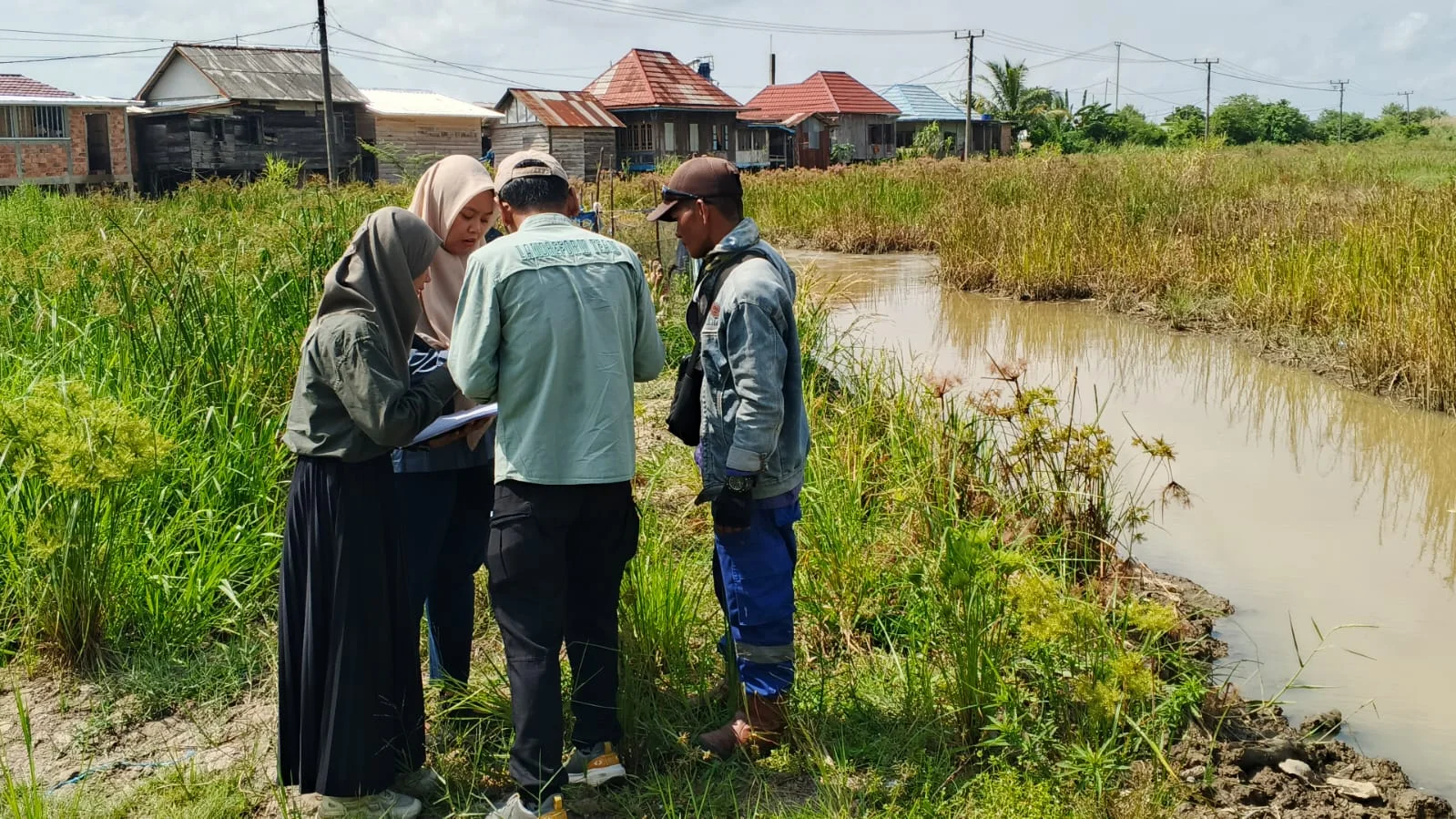
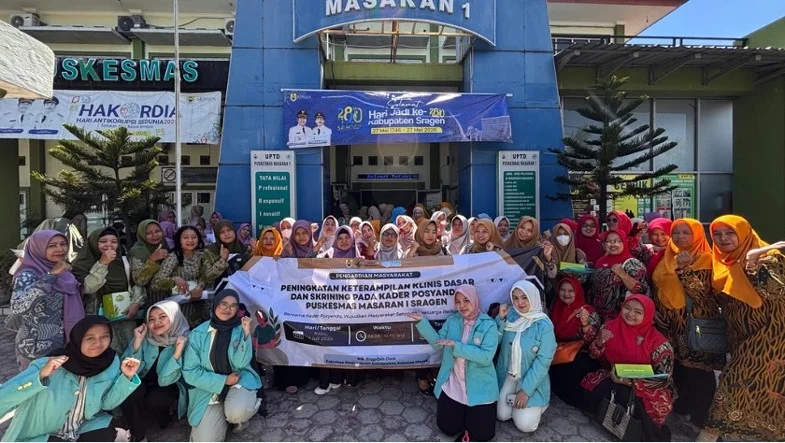
One form of this approach is a community-based health program through collaboration between community health center (Puskesmas) staff, community organizations, health volunteers, and local leaders.
This program can be carried out through health problem mapping, discussions with medical personnel, and outreach to the community at various community activities, including Posyandu.
In one of the community empowerment activities discussed, health education showed an increase in residents' understanding of TB.
Before the outreach, the percentage of the community with a good level of understanding was recorded at 54.2 percent. After receiving education, that figure increased to 79.2 percent.
The increase of 25 percentage points demonstrates the importance of delivering health information that is easy for the public to understand.
Proper education can help reduce misunderstandings regarding TB transmission, symptoms, prevention, and treatment.
In addition to education, there are three operational steps that are important in supporting the success of TB control at the community level.
First, household contact screening. Family members or people living with a TB patient need to be screened according to the recommendations of health workers. This step aims to detect possible transmission early so that treatment can be carried out immediately.
Second, assisting patients who have interrupted their treatment. Health workers, together with community volunteers, can approach patients who are no longer undergoing treatment so they receive support to re-access health services.
Third, support during treatment. The presence of a medication adherence supporter can help patients undergo treatment regularly, remind them of medication schedules, and provide support during the recovery process.
In its implementation, village health volunteers play an important role because they are generally closer to the community. This closeness can facilitate the delivery of health information, help find cases that require examination, and provide moral support to patients.
With an approach that involves the community, TB control does not only focus on curing patients but also on efforts to build an environment that supports the prevention of transmission.
Healthy Homes as a TB Prevention Effort
The condition of the living environment plays an important role in efforts to prevent TB transmission.
Homes with poor ventilation, minimal lighting, and high occupancy density can increase the risk of transmission, especially if there is an active pulmonary TB patient inside.
Therefore, the application of the healthy home concept needs to be a concern for every family.
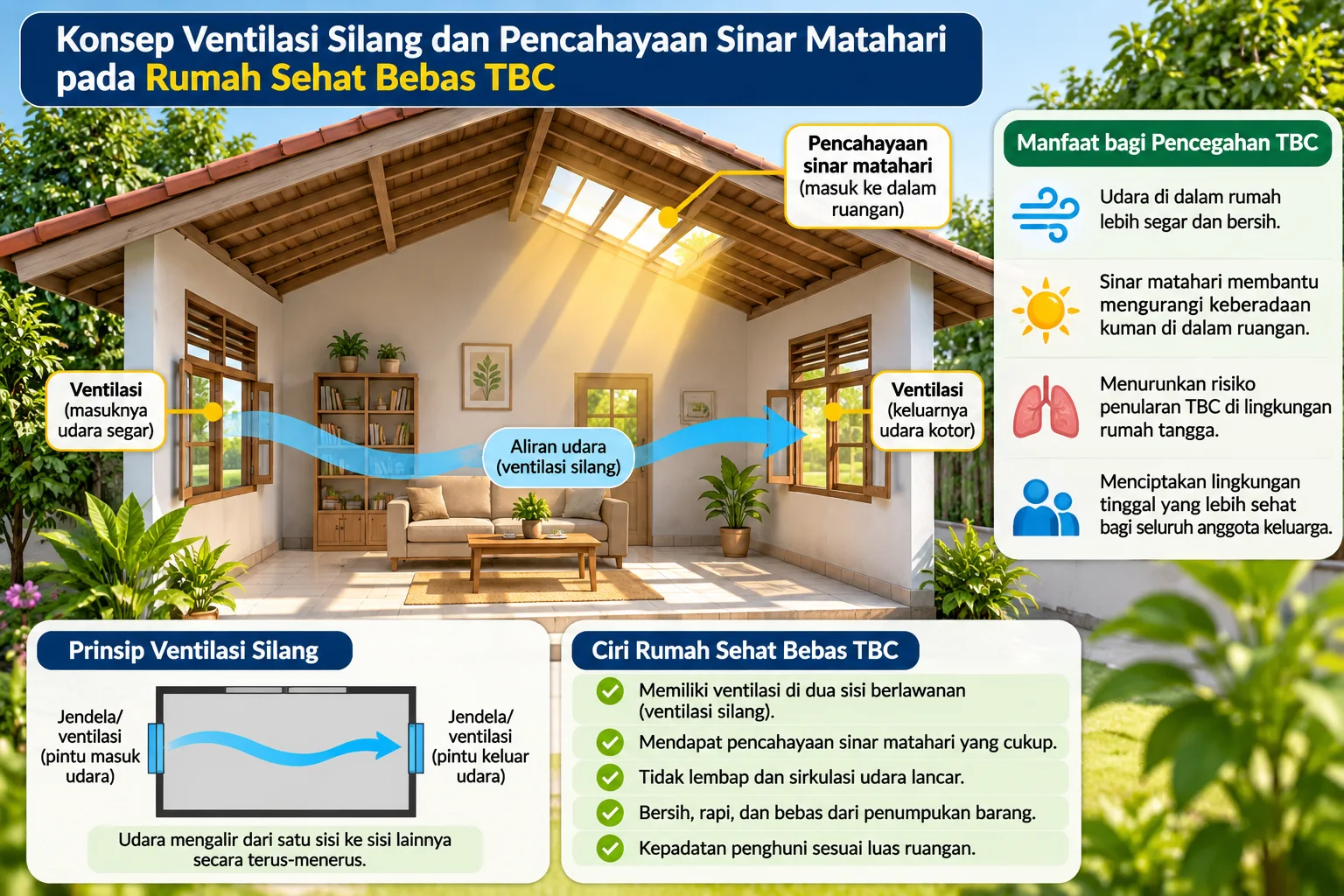
One important element of a healthy home is the availability of ventilation that allows for adequate air exchange. Cross-ventilation can help move air from inside the room to the outside, thereby reducing the concentration of infectious particles in the air.
Natural lighting can also support the creation of a more comfortable and healthy home environment. However, the entry of sunlight cannot replace the need for good ventilation or treatment for TB patients.
In addition to ventilation and lighting, floor cleanliness, the condition of walls that are not damp, and environmental sanitation still need to be considered as part of efforts to maintain family health.
TB prevention also needs to be supported by clean and healthy living behaviors.
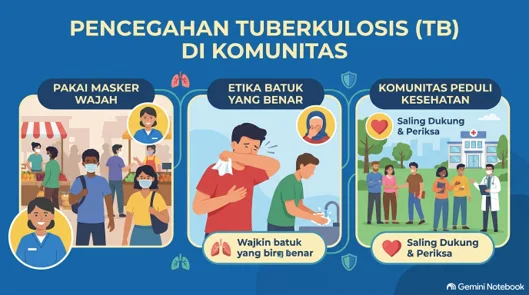
Some steps that can be taken include providing the BCG immunization to infants according to the recommended schedule, applying cough etiquette, using masks as needed, meeting nutritional needs, exercising regularly, getting enough rest, and avoiding smoking habits.
The public also needs to understand that TB is primarily transmitted through the air, not through sharing eating utensils or casual touch. A correct understanding of transmission is important so that preventive measures do not turn into discriminatory treatment against patients.
For someone experiencing symptoms such as a prolonged cough, fever, night sweats, or unexplained weight loss, an examination at a health facility should be done as early as possible.
Early detection can help accelerate treatment while reducing the risk of transmission to others.
TB Control Requires Shared Responsibility
Ultimately, TB control efforts require the awareness that this disease is a health issue that concerns our collective safety.
Blaming patients or letting them struggle alone in facing the disease can actually worsen social conditions and hinder the success of treatment.
Conversely, support from family, health workers, the government, community leaders, and village volunteers can help create a more open environment that supports the healing process.
This collaboration can be realized through easier access to screening, increased health education, improvement of environmental conditions, reduction of stigma, and patient support during treatment.
By building shared concern, the community not only helps TB patients get the opportunity to recover but also contributes to breaking the chain of disease transmission.
TB control is not just the responsibility of medical personnel or the government. Every individual has a role in creating a healthy environment, providing support to patients, and increasing awareness about the importance of prevention.
Through continuous collaboration, the hope of realizing a healthier society free from the burden of tuberculosis can become closer to reality.
Bibliography
Afiah, A. S. N., Soesanti, & Husen, A. H. (2022). Prevention of Tuberculosis (TB) Through Information and Education Efforts for the Community in the Working Area of Gambesi Community Health Center. Jurnal Abdidas, 3(1), 98–102. http://abdidas.org/index.php/abdidas
Dewi, R. D. C. (2023). Education to Prevent Tuberculosis (TB) Among the Community of Banjarsengon, Patrang District, Jember, East Java. Sejahtera: Jurnal Inspirasi Mengabdi Untuk Negeri, 2(4), 1–9. https://doi.org/10.58192/sejahtera.v2i4.1239
Irzal, M. A. S. M., Arfah, M., Muflihah, A., Riantiarno, C., Annisa, A. Z., & Pratama, E. (2025). Implementation of the Healthy Nagari Free from Tuberculosis Program: Community Empowerment Strategy in Tuberculosis Control Efforts in the Traditional Village of Nagari Sijunjung, West Sumatra. Jurnal SOLMA, 14(1), 162–171. https://journal.uhamka.ac.id/index.php/solma
Sari, S. A. P., Astuti, D., & Widyastuti, R. (2024). Identification of Risk Factors for the Occurrence of Tuberculosis. CoMPHI Journal: Community Medicine and Public Health of Indonesia, 5(1), 125–131. https://journal.uhamka.ac.id/index.php/comphi






Comments 0
Write a Comment Share your response