

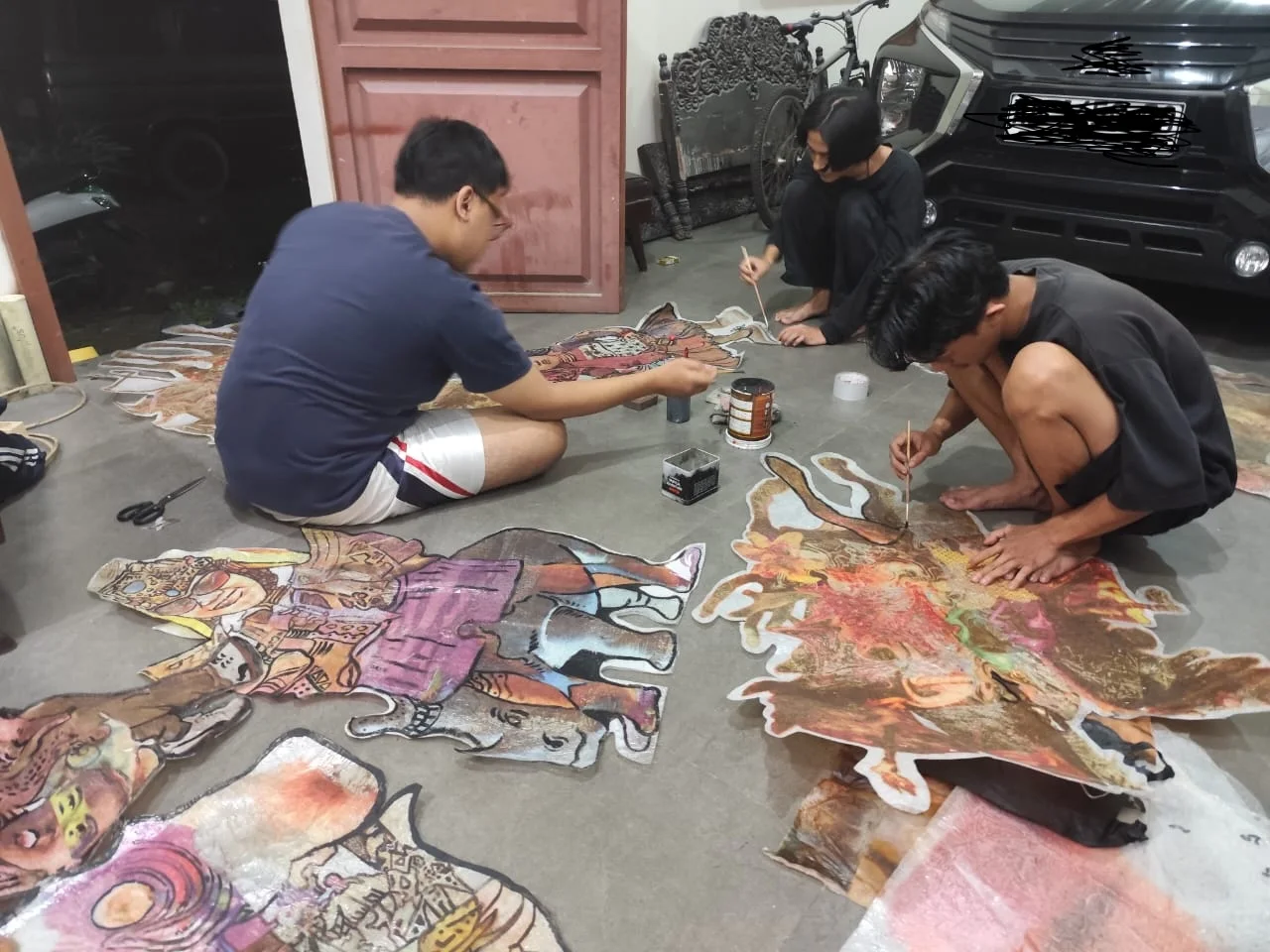
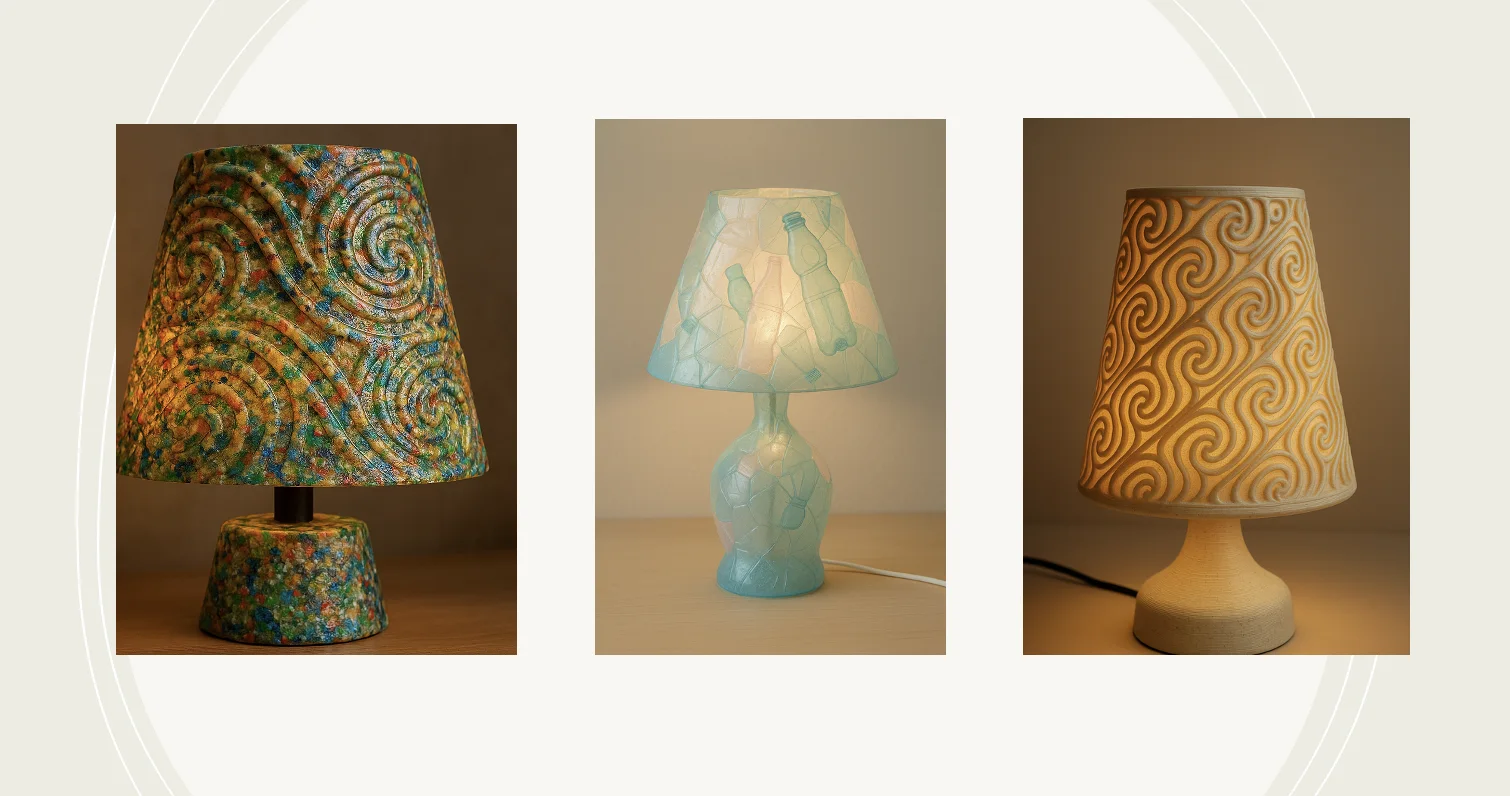
SUKOHARJO, JurnalPost.com – Plastic waste, often dismissed as useless, is being transformed by teenagers from the Sukoharjo Artists Community into aesthetic art and craft products. Through the 2025 Nusantara Art Innovation Program (PISN), participants are exploring ways to turn plastic waste into paintings, accessories, bags, vases, stationery holders, and decorative lamps. This initiative bridges youth creativity with efforts to build awareness of environmental issues.
The activities were carried out through upcycling art training involving teenage members of the Sukoharjo Artists Community, senior artists, and a support team from Sebelas Maret University (UNS). Participants learned to identify material characteristics, sort and process plastic, and shape it into two-dimensional and three-dimensional works. Techniques practiced included fusion plastic art, melting, molding, coloring, and visual composition. The exploration process was also supported by heat press and 3D printing.
The training did not focus solely on technical skills. The teenagers were encouraged to understand environmental issues through direct experience, changing their perspective on waste and repurposing materials found in their surroundings. Participants also gained knowledge in digital design, art photography, catalog creation, and social media promotion.
The series of training sessions and explorations resulted in artworks including paintings and recycled plastic craft products that combine aesthetic value with functionality. Based on activity evaluation indicators, participants' technical skills increased by 85 percent, and ecological awareness increased by 100 percent.
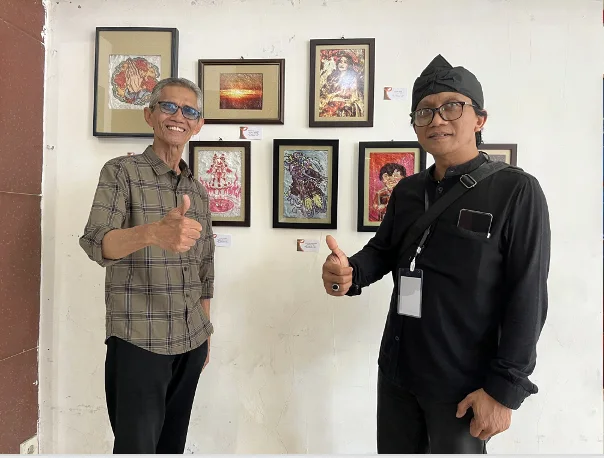
These recycled artworks were then introduced to the public through an art exhibition at the Sukoharjo Regional Potential Promotion Center (GP3D). The exhibition served as a space for participants to showcase their explorations while inviting the public to view the possibilities of reusing plastic through an artistic lens. The program also encouraged the formation of a community creative team covering production, documentation, and promotion.
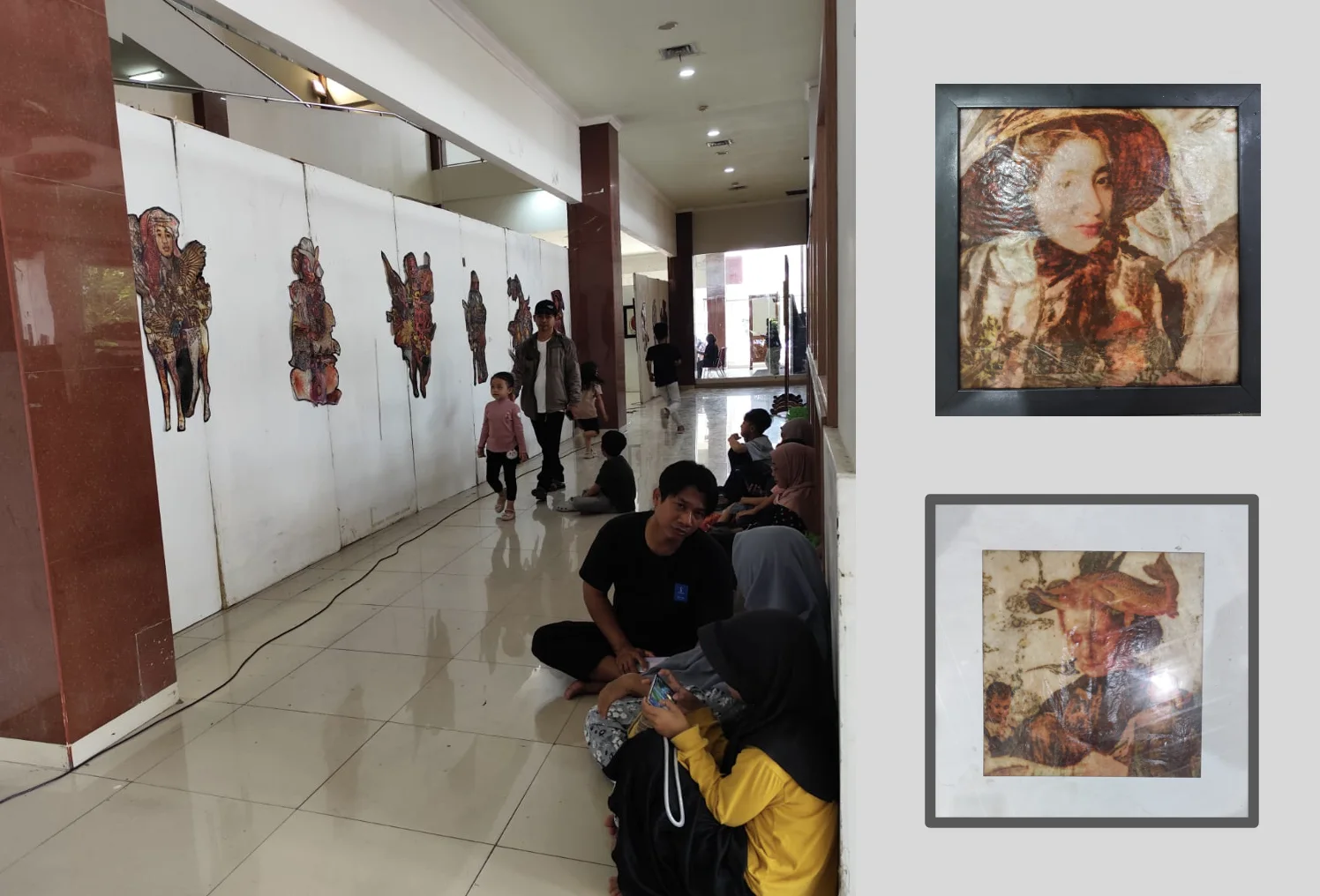
Project lead Adam Wahida, along with the UNS team, emphasized that art has the potential to build ecological awareness through the community's creative experiences. The involvement of teenagers is considered crucial because the artistic process not only develops creative abilities but also fosters a sense of responsibility toward the environment.
Looking ahead, the community plans to develop recycled art activities through periodic exhibitions, training for teenagers and schools, and strengthening networks with other communities and creative economy players. The program, supported by the Directorate of Research and Community Service (DPPM) of the Ministry of Higher Education, Science, and Technology, was implemented by the UNS team in collaboration with the Sukoharjo Artists Community.
Through these activities, art becomes a space for learning and experimentation, as well as a medium for building collective awareness. The creativity of these teenagers demonstrates that environmental concern can be realized through simple actions: changing one's perspective on waste and processing it into something useful.




Comments 0
Write a Comment Share your response