

Ali Amril is a national advocate for art, culture, and humanitarian efforts, as well as the CEO of QUPRO Indonesia Holding. He is actively involved in promoting creative development, cultural preservation, and cross-sector collaboration to strengthen social solidarity and humanitarian concern.
The rapid development of the world has changed how humans communicate, interact, and understand various events. Technological advancements allow an incident in one country to be known by the global community in mere seconds. However, the ease of obtaining information does not always align with the growth of mutual understanding.
Amidst an increasingly connected global life, differences in interests, identities, and perspectives often remain sources of tension. Digital proximity does not necessarily erase the emotional distance between people.
It is in such circumstances that art and culture play an increasingly important role. They are not merely means of entertainment or creative expression, but also bridges to build dialogue, bring human experiences together, and strengthen brotherhood amidst diversity.
Art possesses an ability not always found in formal communication. A song can convey sadness without needing translation. A theater performance can deeply present the life experiences of others. Similarly, poetry, film, dance, and visual arts can open spaces for empathy through the language of beauty.
This power makes art and culture one of the most relevant mediums for building cross-border humanitarian solidarity.
Art and Culture as a Bridge for International Brotherhood
The role of culture in bringing together people from various countries is increasingly visible through international cooperation.
In October 2026, UNESCO, together with the Temasek Foundation, brought together artists from Indonesia, Malaysia, and Singapore through the program Embracing Shared Heritage through Performing Arts.
The performance activities held in Yogyakarta demonstrated how historical heritage, traditions, and artistic expressions can become a meeting space for people from different backgrounds.
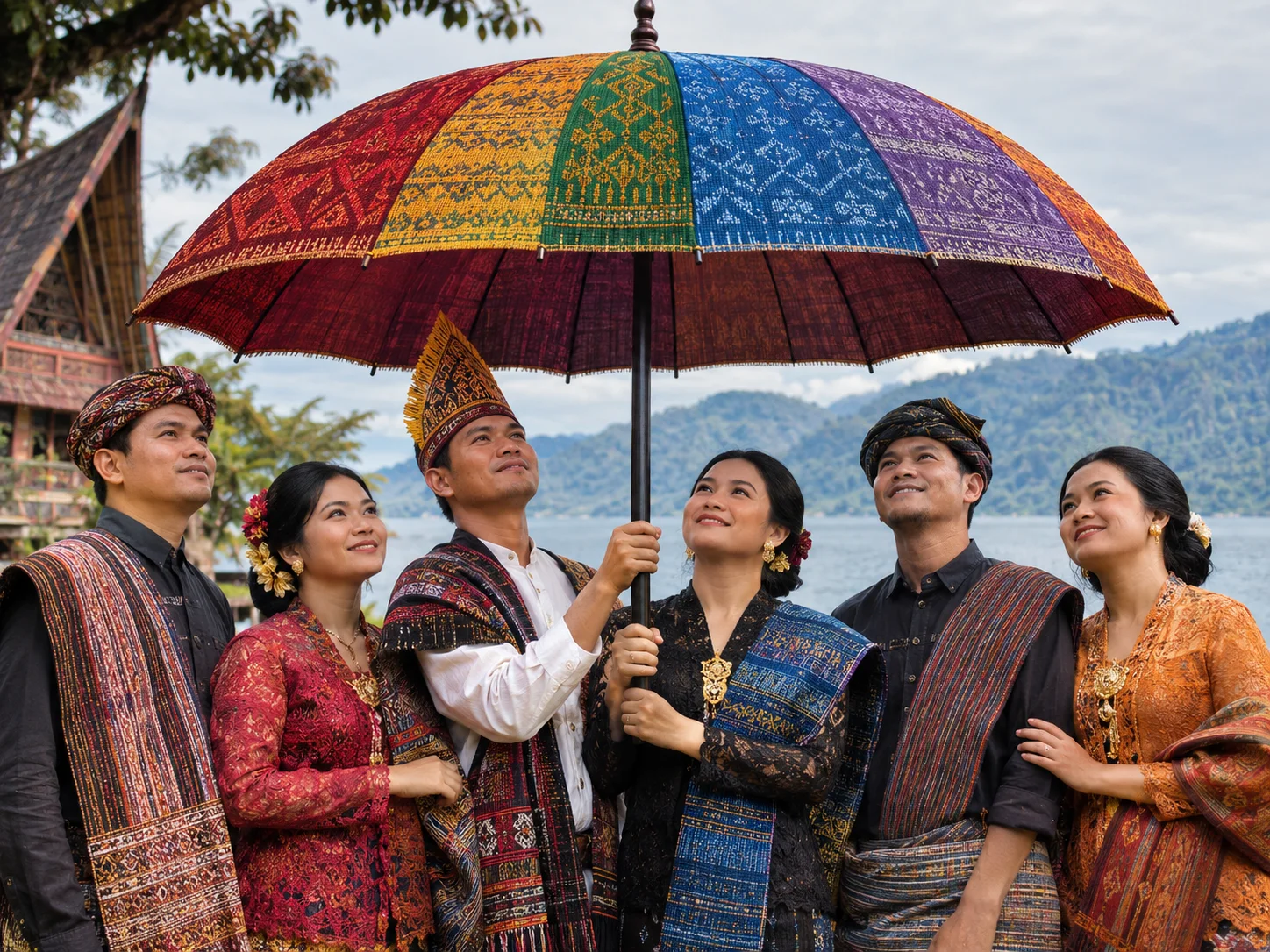
Through such activities, culture is no longer viewed merely as an identity that distinguishes one nation from another. Instead, culture becomes a meeting point that allows people to know, respect, and understand one another.
Indonesia has significant capital to play a broader role in global cultural diplomacy. The diversity of its traditions, the richness of its performing arts, and the strength of its community life are potentials that can be continuously developed.
However, this wealth requires sustainable spaces for collaboration. Culture should not just be showcased in ceremonial events. Its values need to be brought to life through social interaction, education, community empowerment, and international cooperation.
Thus, art and culture can become part of the effort to build a more open and humane world.
Palestine and the Importance of Maintaining Humanitarian Solidarity
Amidst the progress of civilization, the world still faces various humanitarian issues that require collective attention. One that continues to be in the spotlight is the suffering of the Palestinian people.
A United Nations humanitarian report at the end of October 2026 described the condition of the people in Gaza, who continue to face various vulnerabilities, ranging from security issues and limited basic needs to healthcare services and the threat of the rainy and cold season for refugee families.
Behind these reports and statistical figures lie human lives that require real attention.
There are children who have lost the opportunity to enjoy their childhood safely. There are families struggling to maintain their lives. There are also people who hope to return to living their daily activities in a decent and dignified manner.
This reality reminds us that humanitarian issues should not only be a concern when they appear in the news.
Solidarity requires continuity, sustained concern, and concrete actions that can provide benefits to those in need.
On October 10 2026, the Palestine Solidarity Campaign organized a national march in London. Various international communities also continue to hold social activities, public campaigns, and solidarity movements for the Palestinian people.
Meanwhile, the Freedom Flotilla Coalition announced preparations for a new effort on 2027 after facing obstacles in their voyage toward Gaza in the autumn of 2026.
These various initiatives show that humanitarian solidarity can be realized through diverse approaches.
It is in this context that I see art and culture having a great opportunity to broaden public awareness.
Music, performances, documentary films, art exhibitions, and cultural festivals can be means to convey humanitarian messages in a more touching way.
A work capable of evoking empathy can encourage people to understand the suffering of their fellow human beings. However, such empathy needs to be followed up through organized, transparent, and sustainable social activities.
Transforming the Art Stage into a Social Movement
Indonesia actually has a long experience in making art and cultural activities a space for togetherness.
Various communities in the regions have shown how music, sports, festivals, and creative activities can bring people together in a spirit of solidarity.
In West Sumatra, for example, the series of Palestine Run activities, solidarity actions, and charity concerts in October 2026 became an example of how humanitarian concern can grow through community participation.
Activities like this show that social movements do not always have to start from large organizations. Initiatives born from local communities can also contribute to issues that have global dimensions.
I see that the music concert stage has enormous potential to be developed into part of a humanitarian movement.
Imagine thousands of people gathering to enjoy a musician's performance, and through that activity, they gain an understanding of social issues while having the opportunity to participate in aid programs.
The energy created from a concert can develop into volunteer activities, donation drives, public education, and cross-community cooperation.
A similar approach can be applied through cultural festivals, fine art exhibitions, theater performances, and creative activities in schools and universities.
Art activities do not have to lose their entertainment value to provide social benefits. In fact, when creativity and concern go hand in hand, a performance can produce a wider impact.
A successful art stage is not just one filled with spectators, but one that is capable of leaving a message, building awareness, and driving positive action.
Strengthening the Cultural Ecosystem and Youth Creativity
The development of art and cultural movements requires the support of a strong ecosystem.
In October 2026, the Indonesian government pushed for the acceleration of the revitalization and management of more than 200 museum sites, cultural heritage sites, and cultural assets, including attention to the use of digital technology.
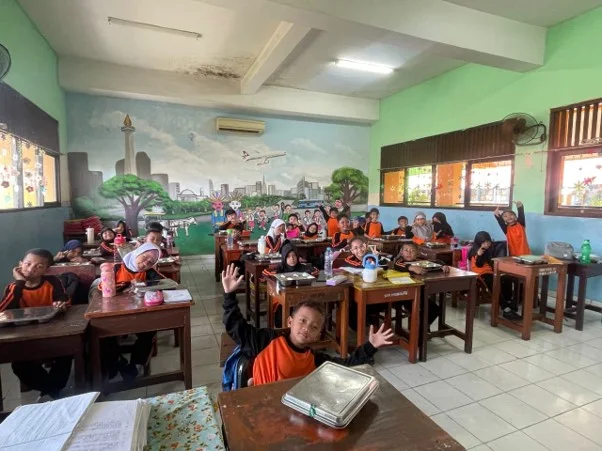
On the other hand, the 'Artists Entering Schools' movement is one of the efforts to bring artists together with students to support cultural inheritance and talent development.
This step shows the importance of building a relationship between the preservation of cultural heritage and the development of the next generation's creativity.
However, the responsibility of advancing culture cannot be fully burdened on the government.
Artists, creative communities, educational institutions, the business world, and community organizations need to build collaborations that provide broader opportunities for the public to create.
Special attention needs to be given to the younger generation.
They grow up in a digital environment that allows a work to reach people across regions and even across countries. Music, short videos, documentary films, and various forms of creative expression can spread quickly through digital platforms.
This potential is a strength that should not be ignored.
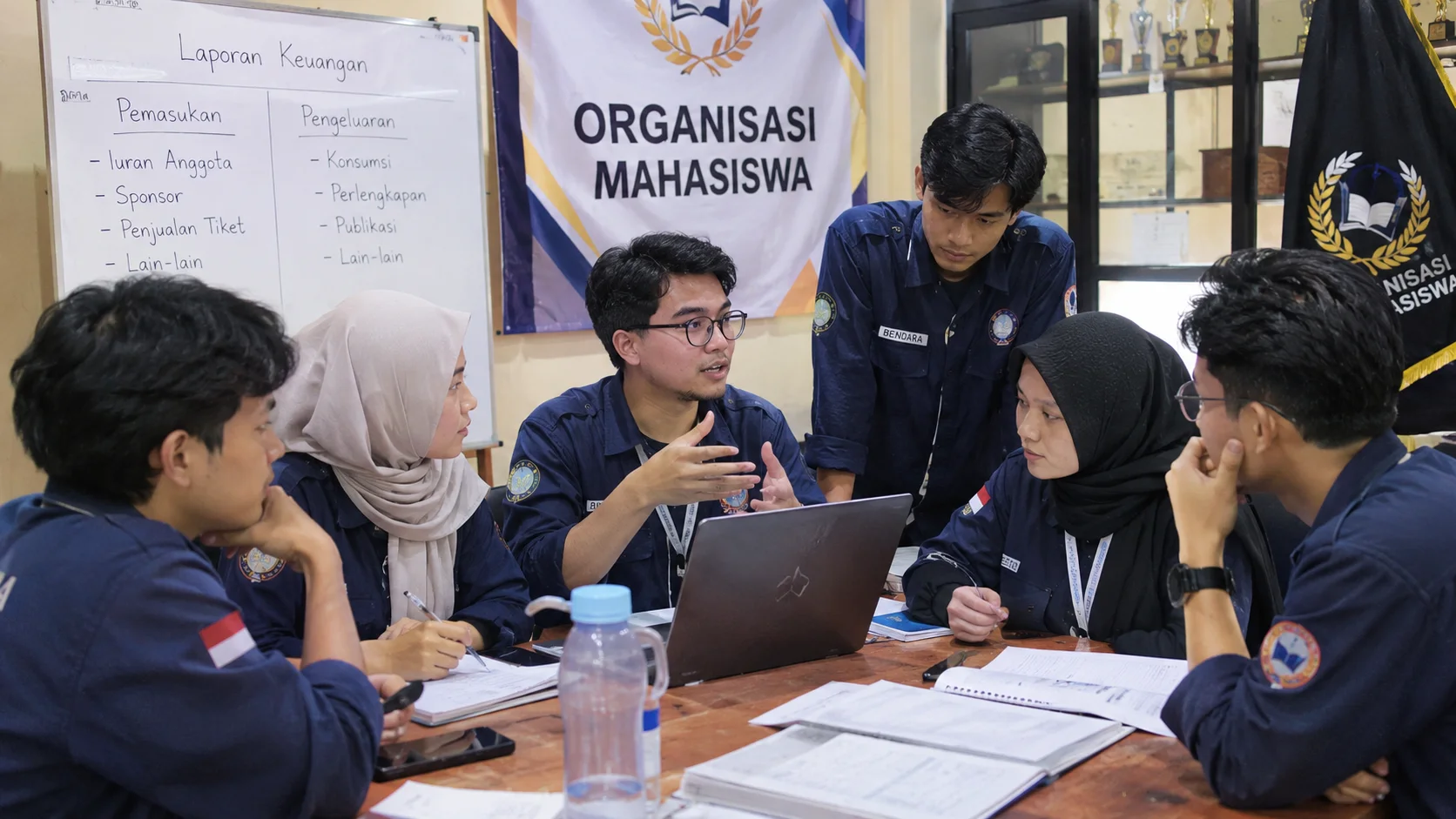
The younger generation needs opportunities to develop ideas, lead activities, build networks, and present works that are beneficial to society.
Meetings between experienced artists and young talent also need to be increased so that the regeneration process does not stop at the inheritance of skills, but also instills social responsibility.
I believe the future of Indonesian culture will be stronger if its younger generation is not just a spectator, but also a primary actor in developing creativity and humanitarian movements.
Maintaining Ethics and Trust in the Digital Era
Advances in communication technology present great opportunities for the development of art and social movements. However, these advances also bring challenges.
Currently, information can spread widely in a very short time. Conversations that were originally private can turn into public consumption. Video clips or certain statements have the potential to shape public perception without providing the full context.
This condition shows that the speed of communication must be accompanied by responsibility.
Respect for privacy, accuracy of information, and communication ethics are becoming increasingly important, especially in activities involving public interests.
UNESCO is also paying attention to this issue through a series of media and information literacy activities in Indonesia throughout October to November 2026.
Strengthening information verification skills, digital safety, and creator ethics serves as a reminder that the use of technology must go hand in hand with the maturity of its users.
For art, cultural, and humanitarian movements, public trust is a very valuable asset.
Social campaigns may be able to reach millions of people in a short time. However, the success of a movement is not measured solely by the number of spectators, followers, or the amount of attention on social media.
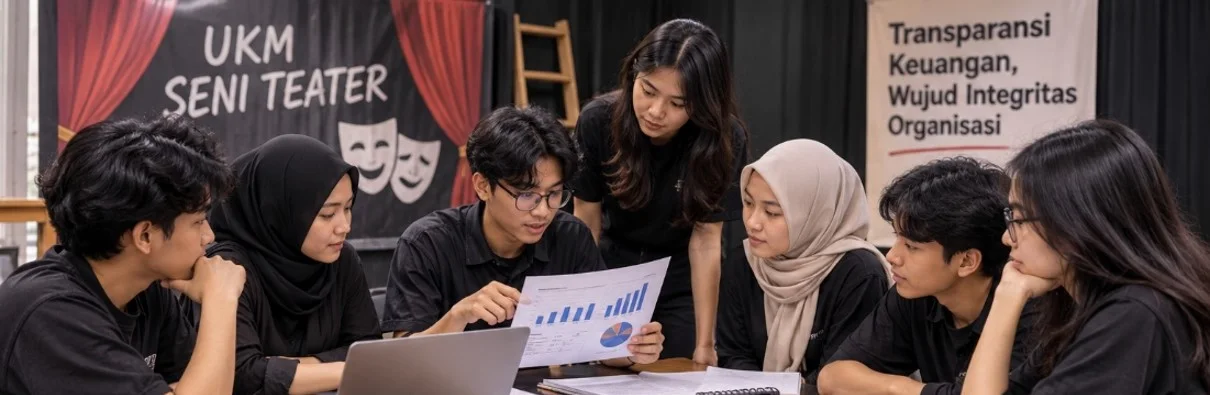
Success must also be judged by the clarity of purpose, transparency in aid management, and the real benefits received by the community.
Therefore, humanitarian movements that utilize digital technology need to be built on the principles of accountability and integrity.
Creativity must go hand in hand with responsibility so that public trust can be maintained.
Building a Sustainable Cultural Movement
Looking ahead, Indonesia needs more collaboration spaces that bring together art, culture, education, the business world, and humanitarian activities.
The government can strengthen the ecosystem through policies and the provision of creative spaces. Educational institutions can build cultural awareness from an early age. Artists and creative communities can develop activities that have social value.
Meanwhile, the business world has the opportunity to contribute through support for creative programs and community empowerment.
Such collaboration needs to be built professionally and sustainably so that every activity does not stop as a momentary agenda.
I hope that more festivals, music concerts, exhibitions, and various cultural activities in Indonesia will be able to connect creativity with social concern.
We need movements that do not just present festivities, but also provide space for people to help one another.
We also need more opportunities for the younger generation to take a role and prove that creative work can be a force for social change.
The experience of various communities shows that solidarity can grow from simple activities. A performance in a region, a musical work that conveys a message of peace, or art activities in an educational environment can be the beginning of the birth of broader concern.
When these various initiatives are connected, Indonesia has the opportunity to present a cultural movement that is not only known for its rich traditions but also for its contribution to global humanity.
Ultimately, I believe that the greatest strength of art and culture lies in their ability to bring people together.
Palestine reminds us of the importance of maintaining solidarity consistently. Meanwhile, Indonesia's cultural wealth provides so many ways to foster concern and convey messages of brotherhood.
From small stages in various regions to large performances that bring together people across nations, there is always an opportunity to build hope.
Because the measure of a movement's success is not merely the size of the stage, the number of spectators, or the extent of media coverage, but how many lives can be touched and how strong the brotherhood that is successfully built.
That is where art and culture find their deepest meaning: becoming a universal language of humanity that transcends differences, unites concern, and moves the world toward a more dignified life.


Comments 0
Write a Comment Share your response