

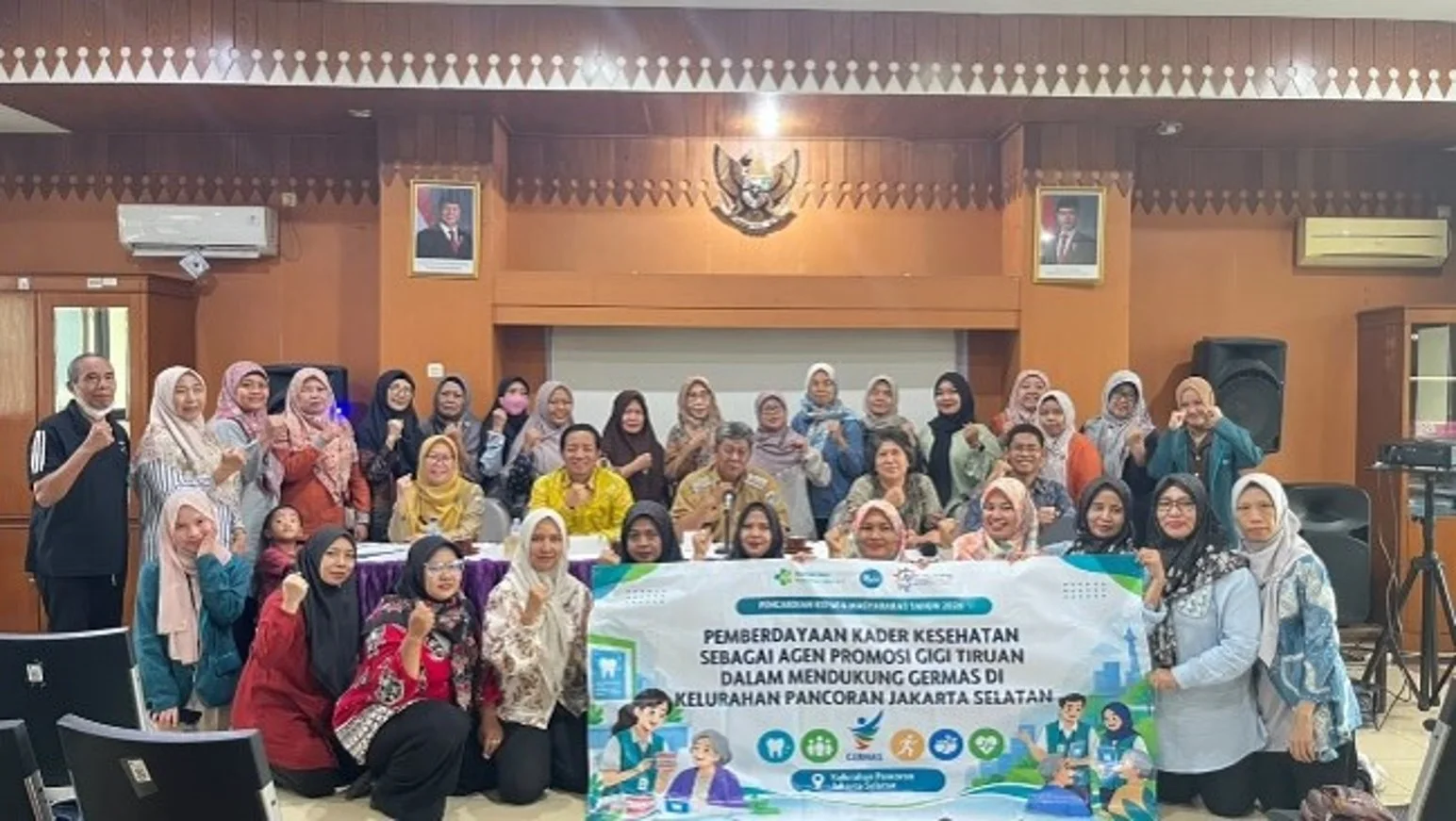
JAKARTA, JurnalPost.com - The Health Polytechnic of the Ministry of Health (Poltekkes Kemenkes) Jakarta II held training for health cadres and pre-elderly residents in Pancoran Village, South Jakarta, on 27 October 2026. This activity aims to improve public understanding regarding the importance of using dentures to maintain health and quality of life.
A total of 30 participants attended the activity, consisting of 10 health cadres and 20 pre-elderly residents. They received education on oral health, the benefits of using dentures, and how to perform proper maintenance.
The training, organized by the Dental Technology Department of Poltekkes Kemenkes Jakarta II, is part of a community service program and supports the Healthy Living Community Movement (GERMAS).
Through this activity, health cadres are expected to become drivers of oral health education, especially for people who have experienced tooth loss.
Tooth Loss Can Impact Elderly Health
Tooth loss is still often considered a normal condition that occurs with aging. In fact, this condition can affect a person's ability to chew, speak, and meet their nutritional needs.
Based on data from the Central Statistics Agency (BPS), the proportion of the elderly population in Indonesia in 2024 has reached approximately 12 percent of the total population.
The increase in the number of elderly people is a concern because this age group has increasingly complex health service needs, including oral health.
Research by Susilawati and several other researchers in 2025, through an analysis of Basic Health Research data involving 16,973 respondents, showed that approximately 20.6 percent of the middle-aged and elderly population have lost at least one tooth.
Meanwhile, a scientific study by Zelig and his colleagues in 2022 linked the condition of total tooth loss to an increase in the risk of malnutrition in the elderly group by 21 percent.
Tooth loss can cause a person to have difficulty consuming certain foods, especially those that require stronger chewing ability.
In the long term, this condition has the potential to affect the diversity of food consumed and the quality of nutritional intake.
The use of dentures is one of the rehabilitation options to help restore chewing function, improve speaking ability, and support appearance and self-confidence.
However, limited information, cost considerations, and concerns about comfort in use remain obstacles for some people.
Health Cadres Receive 12 Educational Materials
The activity began with an opening, a joint prayer, and a report from the head of the community service team.
The Secretary of Pancoran Village, Sami Astuti, S.KM., M.K.M., also gave remarks as a form of village government support for improving public health services.
Before participating in the training, all participants were asked to take an initial test or pretest to measure their level of knowledge regarding oral health and the use of dentures.
The training material was compiled into 12 chapters divided into three main sessions.
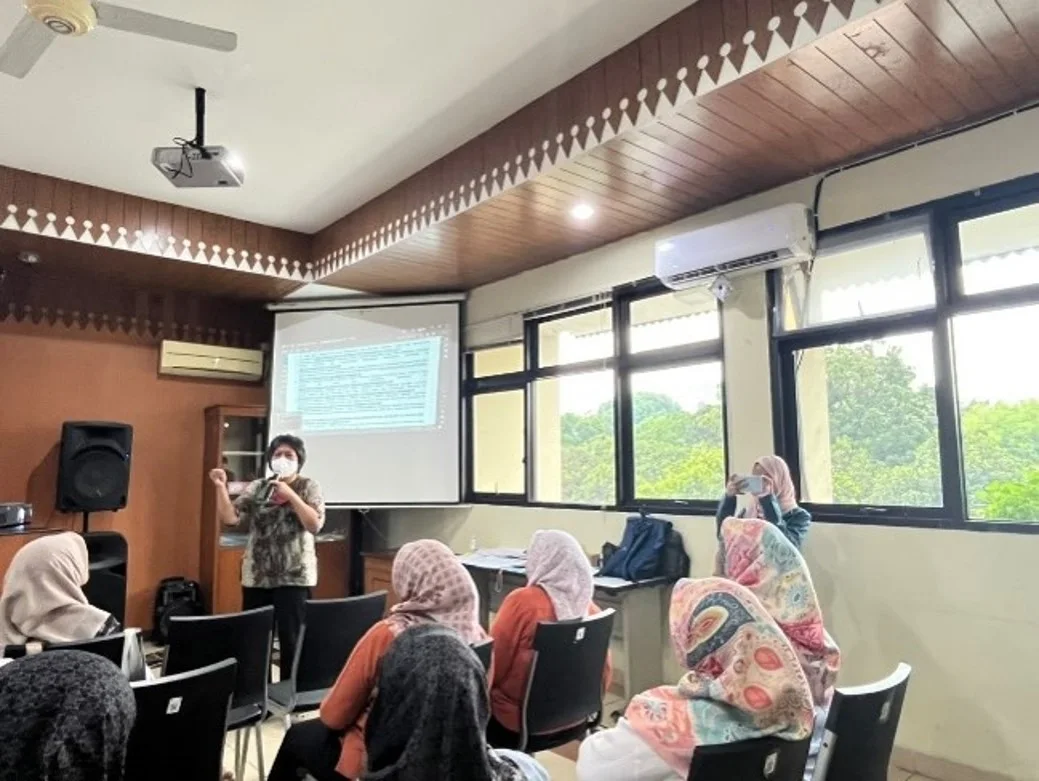
The first session was delivered by drg. Marzia Magdalena Tetelepta, M.Si., who discussed oral health in the elderly, various problems often found, types and benefits of dentures, and conditions that require a dentist's examination.
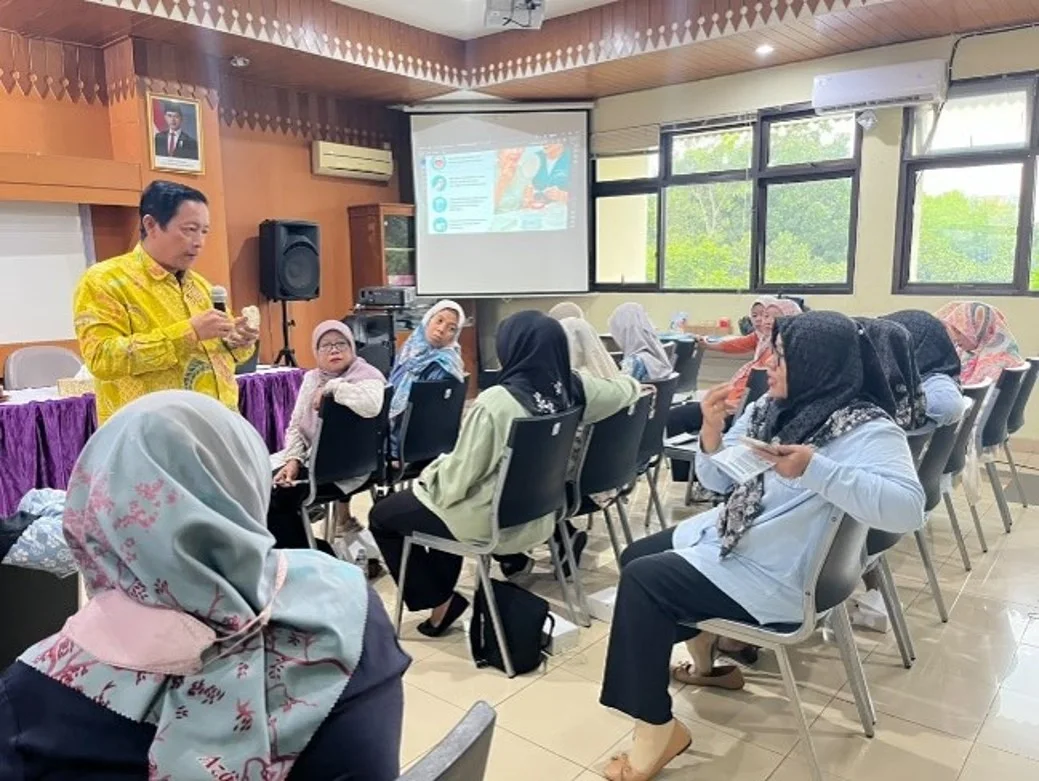
Furthermore, dental technician Didik Marsigid, AMTG., SKM., M.Kes., provided an explanation regarding the stages of obtaining dentures, safe insertion and removal techniques, and how to clean and store dentures.
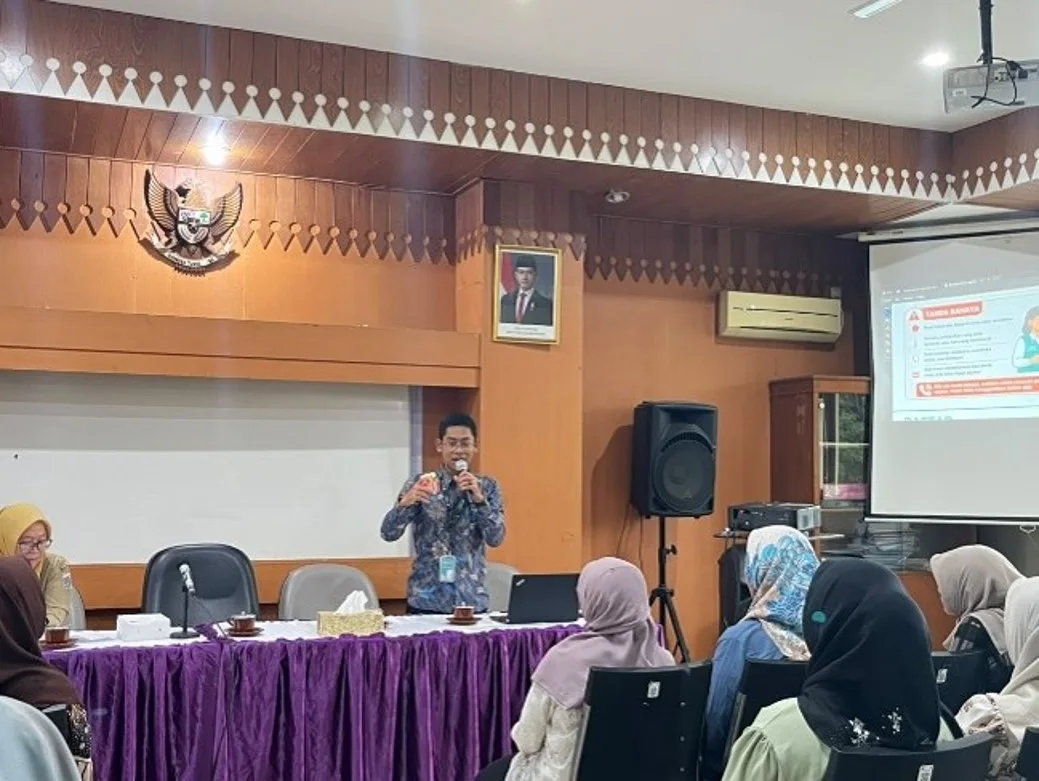
In the third session, health promoter Firdy Rama Permana Putra, S.Tr.Kes., M.K.M., discussed appropriate diets for denture users, the role of cadres as conveyors of health information, empathetic communication techniques, and the introduction of danger signs that require referral.
Participants not only received theoretical explanations but also followed demonstrations using props in the form of denture models and cavity models.
The service team also distributed booklets, leaflets, and posters as educational media that can be reused in community health activities.
The discussion was interactive with various questions from participants, especially regarding comfort in use, maintenance, and procedures for obtaining dentures.
Evaluation Results Show Cadre Knowledge Increased
After all materials were delivered, participants again took a final test or posttest to evaluate changes in knowledge levels.
The evaluation results showed an increase in the average score of health cadres from 80 in the initial test to 97 after participating in the training.
Based on statistical testing, the increase was declared significant with a p-value = 0.016.
Meanwhile, the pre-elderly community group also showed an increase in the average score, from 93 to 99.
However, the change in the pre-elderly group did not reach statistical significance with a p-value = 0.098.
The service team assessed that this condition was influenced, among other things, by the high initial scores of the participants and the limitations of the evaluation instrument, which consisted of only five questions.
With this condition, the room for score improvement was relatively small. The team plans to refine the assessment instrument for the next activity.
The results of this training show the potential of health cadres as drivers of community education. However, an increase in knowledge cannot be directly interpreted as a change in behavior or an increase in the use of dentures in the community.
Educational Media Handed Over to Cadres for Sustainable Use
As a step toward program sustainability, the service team handed over educational media in the form of booklets, leaflets, posters, and props to health cadres.
All these media are expected to help cadres convey information to residents, especially pre-elderly and elderly groups who have experienced tooth loss.
The booklet developed by the team has also obtained a Copyright certificate with number EC002026212546.
In addition, video documentation of the activity has been published, while the preparation of a scientific article for a national journal is still in progress.
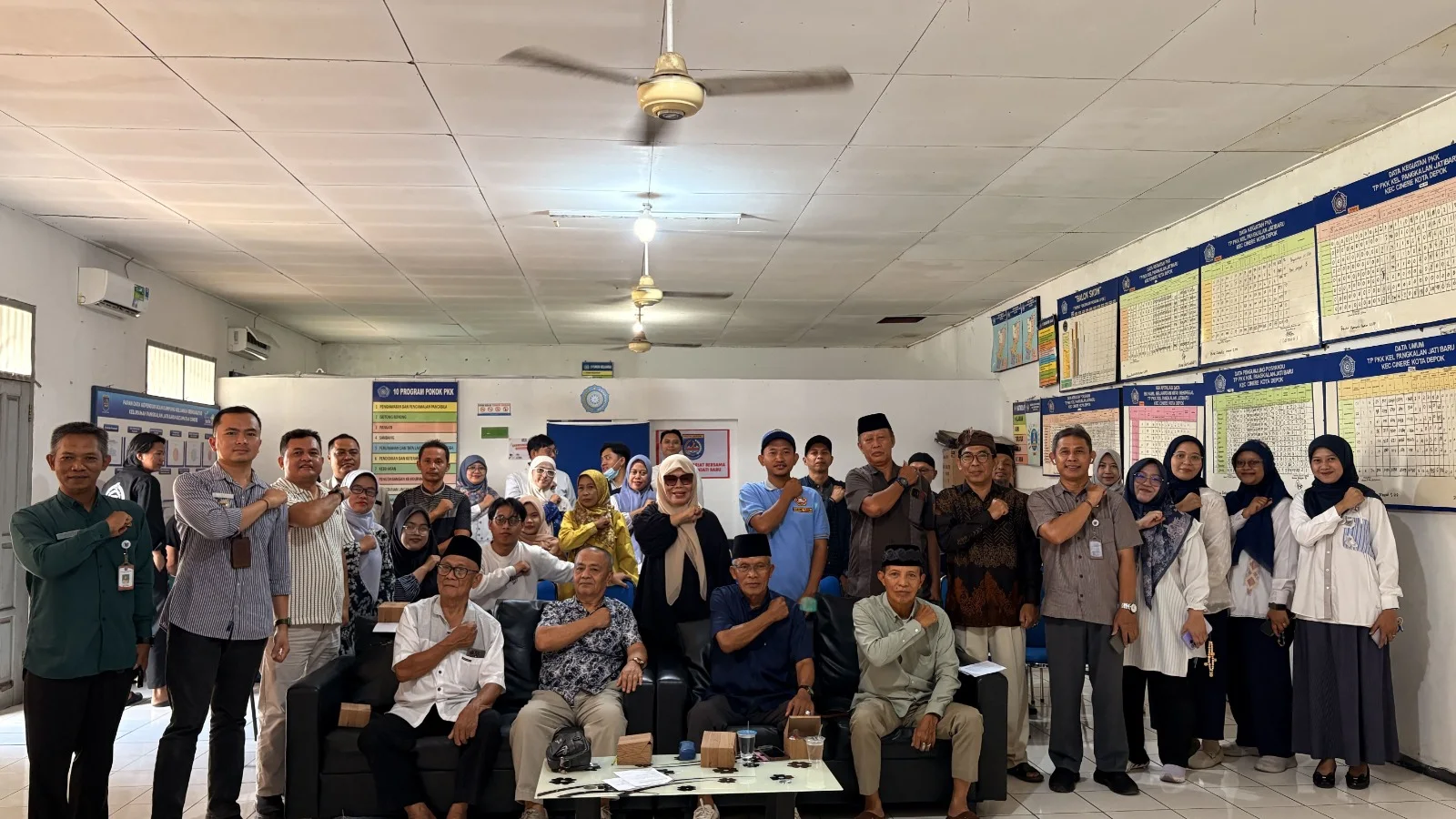
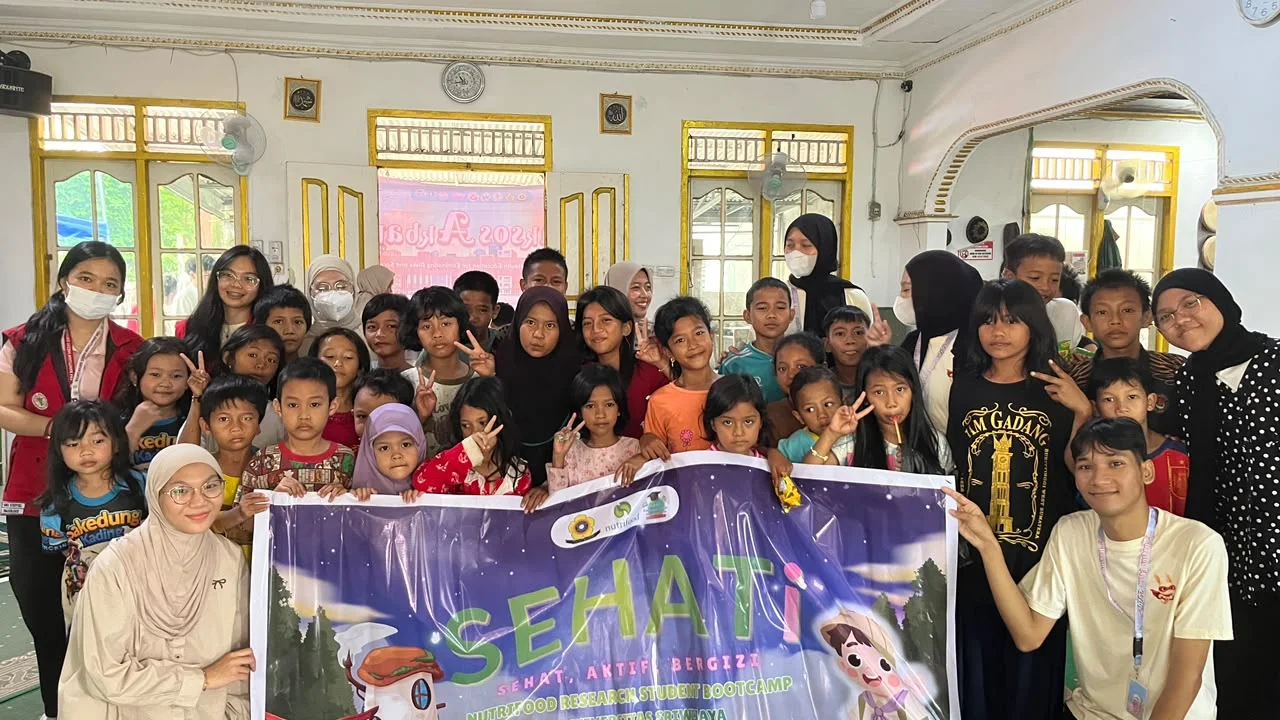
The activity was closed by the Head of Pancoran Village, Hifzillah, S.STP., and continued with a joint documentation session with all participants.
Poltekkes Kemenkes Jakarta II Prepares Follow-up Assistance
The success of the activity's implementation cannot be separated from the support of the Pancoran Village Government, which facilitated the activity location, invited participants, and assisted with coordination with neighborhood officials.
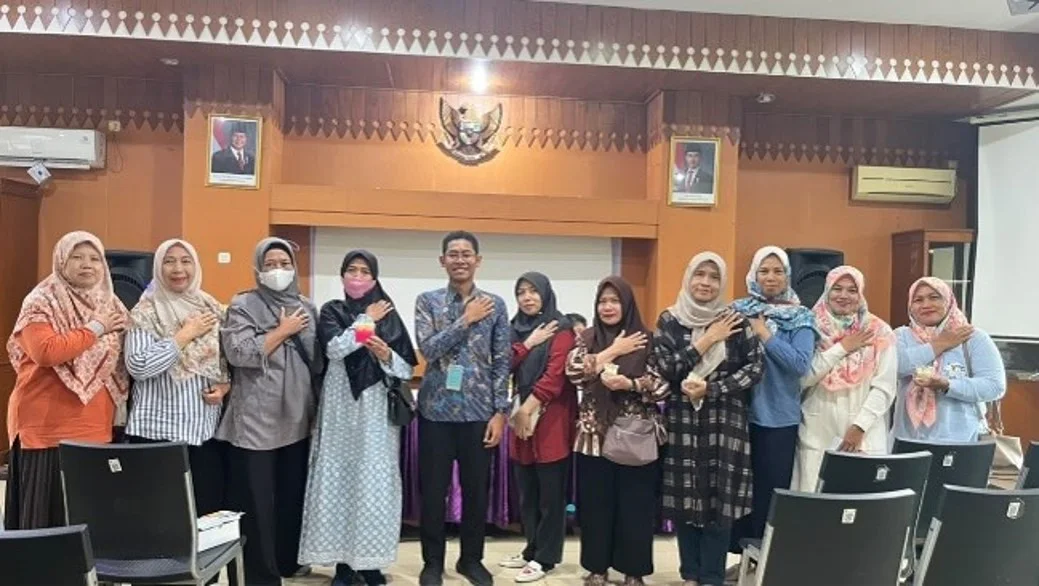
Although it went well, the service team noted a number of technical obstacles, such as schedule changes and limited discussion time due to the high enthusiasm of the participants.
In addition, the training for health cadres and pre-elderly residents, which was initially planned to be held separately, was finally carried out simultaneously.
Going forward, the service team plans to provide periodic assistance to cadres and strengthen coordination with local community health centers (puskesmas).
This step is expected to help the community obtain correct information regarding dentures while facilitating access to dental health examinations and referrals.
Through continuous assistance, health cadres in Pancoran Village are expected not only to be able to provide education but also to encourage the community to pay more attention to oral health from the pre-elderly age.




Comments 0
Write a Comment Share your response