

JurnalPost.com — Scene transitions in a film sometimes occur so seamlessly that the audience does not realize the two images they are watching were actually recorded in different locations. A character who was initially in one room, for example, suddenly appears elsewhere without making the plot feel disjointed.
Such transitions are not merely the result of cutting images. There is an editing technique that allows two different scenes to be connected through similarities in movement, composition, or other visual elements.
This technique is known as match cut, an approach in film editing that plays a vital role in building narrative continuity.
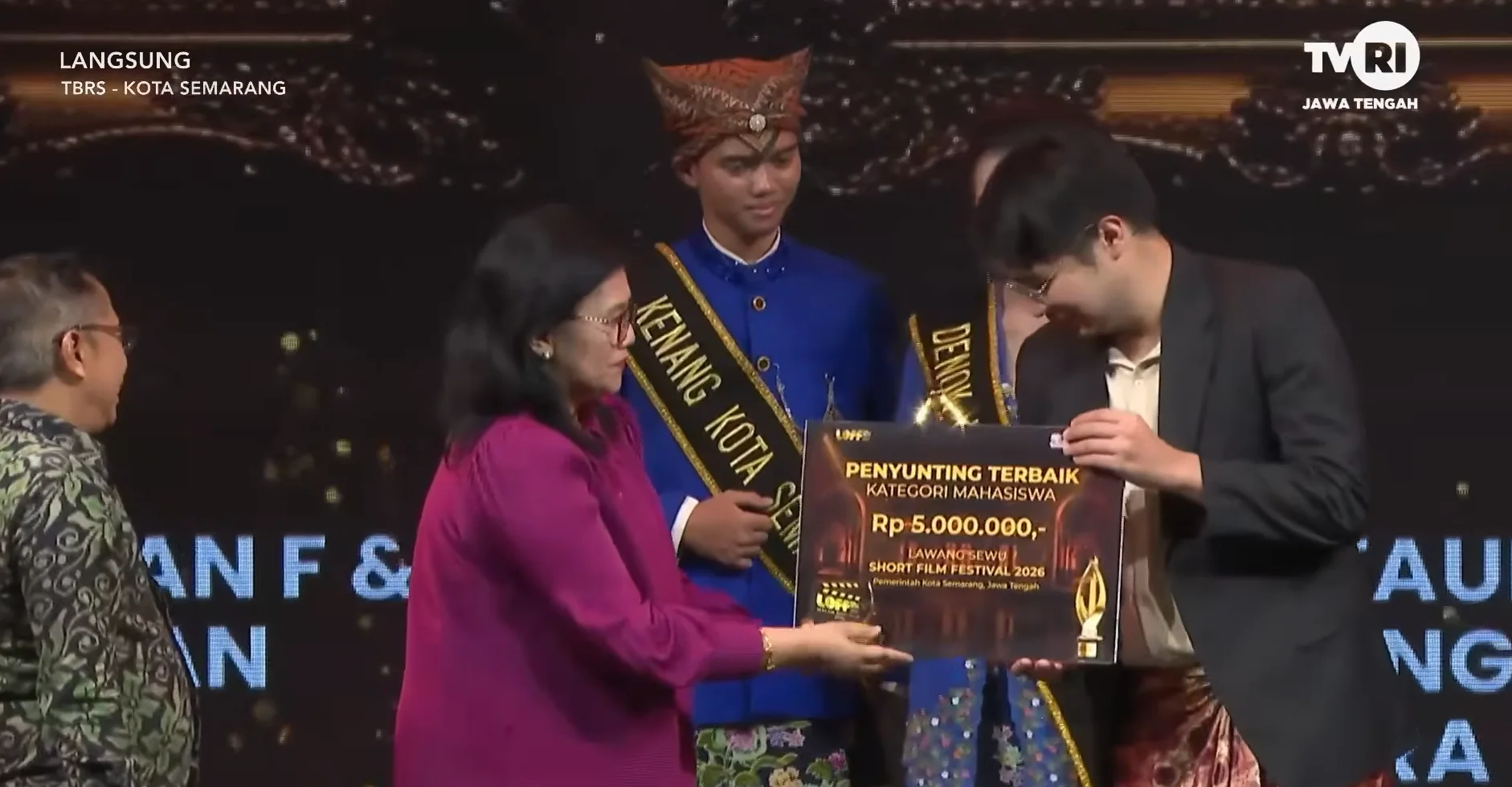
The use of this technique is part of the creative discussion surrounding the short film Nara, edited by Azzalea Taufika and Darren Anggono. Through this film, the editing process is understood not just as the act of assembling images, but as a way to build relationships between spaces and strengthen the audience's audiovisual experience.
The discussion regarding editing in Nara also relates to the profession of film editing, which was a point of focus during the Lawang Sewu Short Film Festival (LOFF) 2026.
Understanding Match Cuts in Film Editing
In the world of filmmaking, match cut is an editing technique that connects two images based on visual similarity or correlation.
This connection can be built through the shape of objects, the direction of movement, character positioning, image composition, or even the ideas intended to be conveyed to the audience.
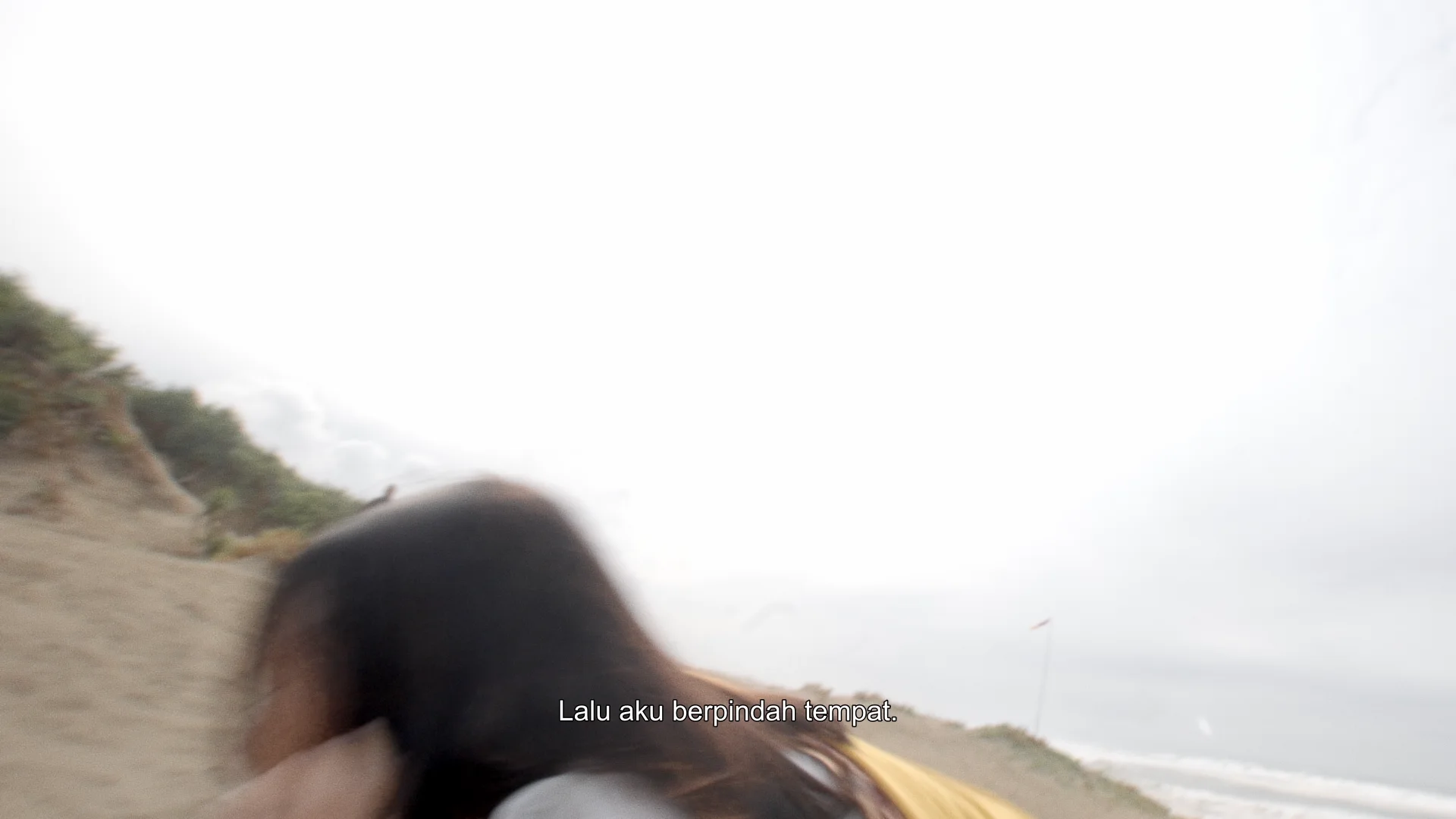
For instance, a scene might show someone opening a house door. When the image changes, the same movement continues as the character enters another building.
Although both scenes were recorded in different locations, the similarity in movement and camera placement can create the impression that the transition occurred naturally.
A similar technique can also be applied to objects. A round sun, for example, can be directly connected to a lamp that has a nearly identical shape.
Such visual similarities not only create an engaging transition but can also build a symbolic relationship between two situations.
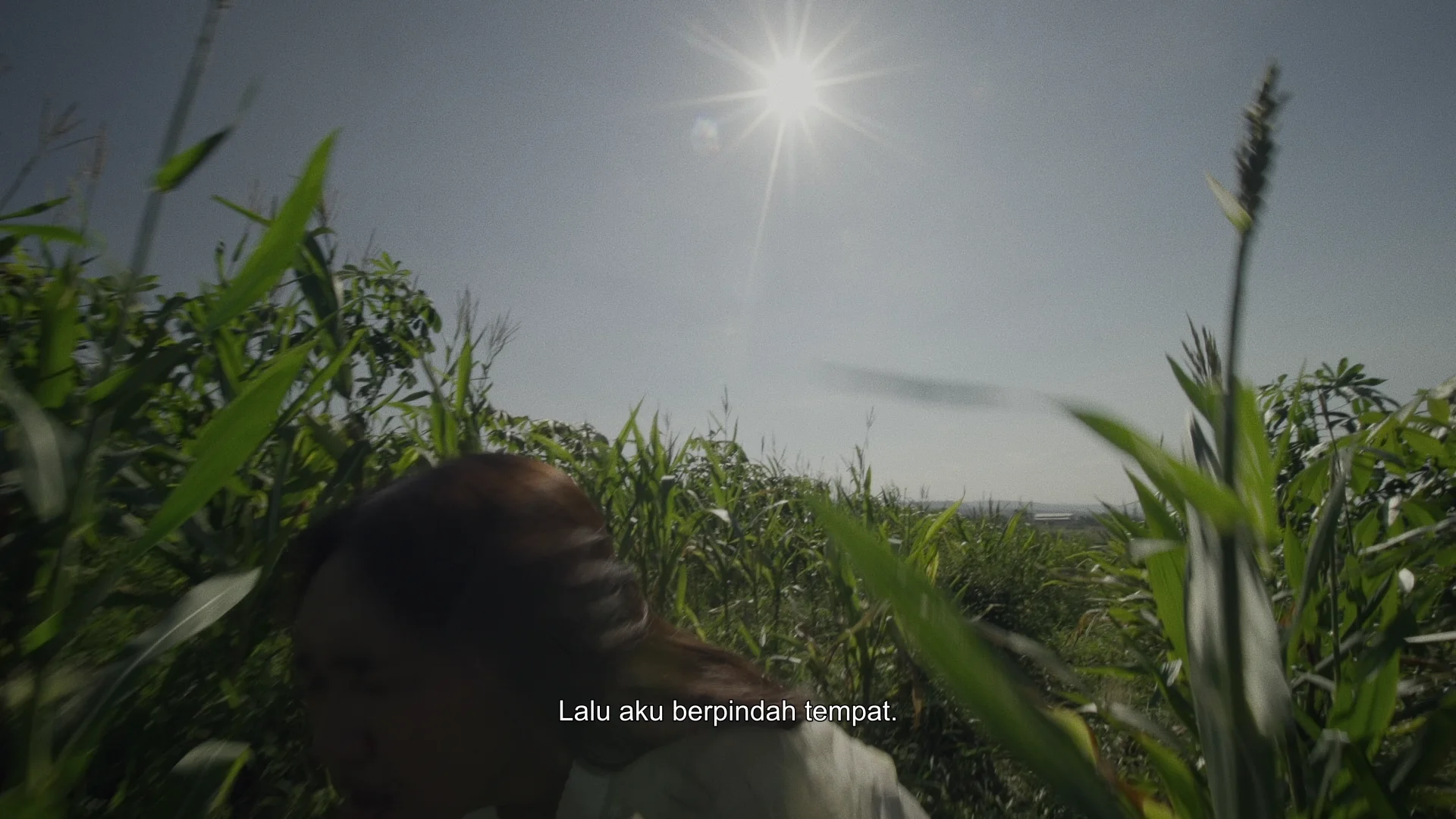
Unlike transitions that rely on flashy visual effects, match cut emphasizes the connection between the images before and after the cut.
The result can be a smooth transition, a surprising scene change, or a visual connection that carries specific meaning.
Why is Precision in Cutting So Important?
The success of a match cut does not depend solely on the similarity of two images. There are several technical elements that must be considered so that the scene transition does not disrupt the audience's understanding.
One of these is movement continuity. If a character moves to the right in the first image, that movement needs to have a clear relationship with the direction and tempo in the following image.
This continuity helps the audience understand that both images are part of a single sequence of action.
The next aspect is composition. The position of objects within the frame, the shot size, and the camera angle can determine whether two scenes feel connected.
Equally important is the selection of the cut point or cutting point.
A cut placed too early can make the movement feel abruptly halted. Conversely, a late cut can diminish the strength of the visual relationship previously established.
However, technical considerations alone are not enough.
Every transition also needs to serve a narrative function, whether to show a change in location, accelerate the passage of time, or demonstrate a relationship between two events.
Thus, the success of a match cut is not always measured by how noticeable the technique is, but by its ability to keep the audience engaged with the story.
Match Cut Planning Begins During Production
Although the final result is determined during the editing process, the application of a match cut often requires preparation before filming begins.
The director, cinematographer, and editor need to share a common understanding of the relationship between the images they intend to build.
If two scenes are planned to connect, the camera position, actor movement, composition, and action tempo must be calculated from the start.
This planning provides the editor with the space to produce a transition that aligns with the narrative needs.
Once all material has been recorded, the editor then selects the footage and determines the most effective moment to cut.
A difference of just a few frames can change the impression received by the audience. Therefore, editing requires sensitivity to rhythm, movement, and visual relationships.
This process demonstrates that an editor's work is not just about assembling recorded footage into a sequence, but also about translating creative ideas into a cohesive viewing experience.
Sound Design Strengthens Location Transitions
Beyond image editing, sound design also determines the success of scene transitions in a film.
In the creative process of the short film Nara, the perspective of sound editing or sound editing becomes an important part of understanding how two different spaces can still feel connected.
When the image shifts location, the audience not only receives new visual information but also captures a change in atmosphere through sound.
For example, the sound of footsteps can be maintained when the image shifts from a room to the street. This audio continuity helps maintain the connection to the character's movement even as the setting changes.
After the transition occurs, the sound atmosphere can be adjusted to the new environment, such as the emergence of vehicle noise, conversations, or ambient nature sounds.
Another approach that can be used is a sound bridge, which is a technique of connecting two scenes through sound that crosses the boundary of the image cut.
Sound from the previous scene can be maintained for a moment after the new location appears. Conversely, sound from the next scene can also begin to be heard before the image is displayed.
This technique helps build a relationship between spaces while preparing the audience for a change in situation.
Although they have different functions, match cut and sound bridge can complement each other in the storytelling process.
Match cut brings two images together through visual relationships, while sound bridge creates continuity through audio elements.
Combining both allows location transitions to feel more directed without having to eliminate the distinct character of each space.
When Editing Becomes the Language of Storytelling
In a film, good editing technique does not always have to draw the audience's attention directly.
In fact, its success is often seen when scene transitions feel natural and the audience remains engaged with the story's development without losing orientation.
Through the match cutapproach, two different locations can be connected in a single visual sequence. Such transitions can help accelerate the plot, show changes in circumstances, or present symbolic meaning.
Meanwhile, sound design strengthens that experience by building atmosphere and relationships between scenes.
The discussion regarding the short film Nara shows the importance of collaboration between the picture editor, sound designer, and production team in building an audiovisual work.
Ultimately, film editing is not just a matter of cutting and joining footage.
Behind every seemingly simple scene transition, there are creative decisions regarding movement, composition, rhythm, and sound.
Through these decisions, individual shots can be woven into a complete story, while simultaneously providing a more powerful and meaningful viewing experience.









Comments 0
Write a Comment Share your response