

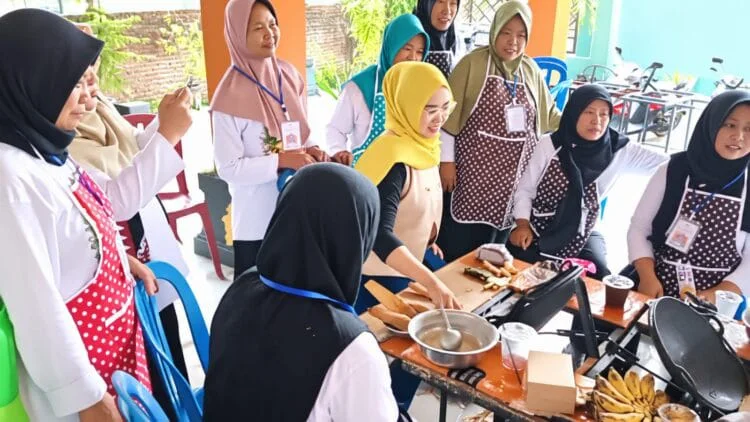
BOJONEGORO, JurnalPost.com – Who would have thought that a traditional food from Bojonegoro known as ledre could now reach consumers abroad? In the hands of Rumiyati, a business owner from Purwosari Village, Purwosari District, Bojonegoro Regency, East Java, this banana-based snack is being continuously developed through a business named Ledre Sultan.
Rumiyati is not merely preserving her region's signature food. She is also striving to introduce innovations so that ledre remains attractive to the public, including the younger generation with their diverse tastes.
The business she runs is now capable of producing approximately 1,500 pieces of ledre daily and employs nine workers. In fact, Ledre Sultan products have even reached consumers in Thailand and Japan.
Behind the growth of this business, Rumiyati has also utilized banking services from Bank Rakyat Indonesia (BRI) Bojonegoro Branch. She shared that she has been a BRI customer since approximately 2015 through the Simpedes savings product.
Starting from Traditional Food, Now Offering Six Flavor Variants
Ledre is a signature Bojonegoro food known for its crispy texture and banana flavor. This thin, rolled snack has long been a popular souvenir for visitors to the region.
Seeing this potential, Rumiyati sought to develop Ledre Sultan by introducing flavor variations without abandoning the characteristics of the traditional product.
While ledre was previously synonymous with the original flavor, Ledre Sultan now offers six flavor choices: original, chocolate, strawberry, tiramisu, taro, and matcha.
This innovation was implemented to provide a wider range of choices to consumers while simultaneously expanding marketing opportunities.
Beyond introducing flavor variations, Rumiyati also provides products in several size and price options to reach various segments of buyers.
"Ledre is available at several price points. Products are available starting from Rp15 thousand, Rp25 thousand, up to Rp35 thousand. These price differences are adjusted based on the size and weight of the product," explained Rumiyati.
These price options allow consumers to adjust their purchases according to their needs, whether for personal enjoyment or as gifts.
Producing 1,500 Pieces of Ledre Every Day
The growth of the Ledre Sultan business is also evident in its production capacity. Rumiyati stated that she is able to produce approximately 1,500 pieces of ledre per day with the support of her workers.
When receiving large orders, production can be adjusted to meet customer needs. A single order can even reach approximately 165 boxes.
"We produce 1,500 pieces of ledre daily. There are six flavor variants, such as original, chocolate, strawberry, tiramisu, taro, and matcha," Rumiyati detailed.
Currently, the business employs nine workers. They assist with various production activities to meet consumer demand.
The existence of this business is not only a source of income for its owner but also creates job opportunities for the community involved in the production process.
For traditional food entrepreneurs, increasing production capacity is a challenge that must be balanced with efforts to maintain quality and consistency in taste.
Ledre Sultan Has Reached Thailand and Japan
Rumiyati also has experience introducing her products to consumers abroad.
She mentioned that Ledre Sultan has been marketed as far as Thailand and Japan. Before expanding marketing, Rumiyati first introduced her products by providing samples to potential consumers.
This step was taken to gauge feedback regarding the taste and texture of Bojonegoro's signature ledre.
"We have exported to Thailand and Japan as well. Initially, we gave them out to be tried, to see how the texture and taste of Bojonegoro ledre were received," she said.
This experience is part of Rumiyati's journey in introducing traditional Bojonegoro food to a wider consumer base.
Efforts to bring ledre to markets outside the region have actually been ongoing for quite some time. In 2008, this signature Bojonegoro food also attracted attention through the creation of a giant ledre, which was recorded in the Indonesian World Records Museum (MURI).
The ledre was reported to have reached a length of 300 centimeters with a diameter of approximately 65 centimeters.
That event became part of the promotional journey for Bojonegoro's culinary specialties, which continues to develop to this day.
A BRI Customer Since 2015, Now Utilizing QRIS for Business
In running her business activities, Rumiyati also utilizes BRI Bojonegoro's banking services.
She shared that she has been a customer through a Simpedes account since approximately 2015. Her bank account is one of the facilities used to support her financial transaction needs.
As the business grows, the need for a practical payment system has also increased, especially when Ledre Sultan participates in bazaars or exhibitions.
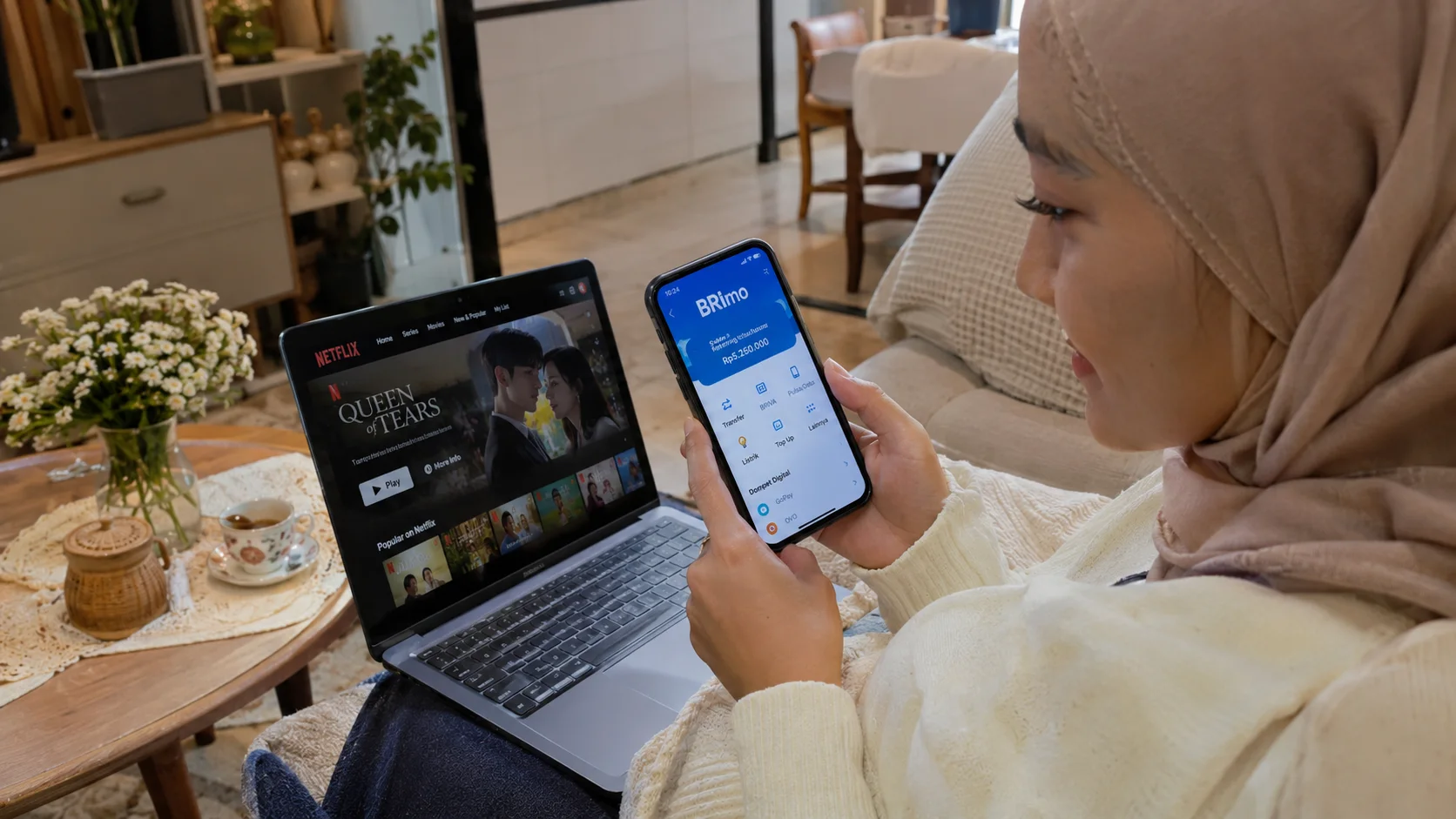
Rumiyati now also utilizes digital payments through the Quick Response Code Indonesian Standard (QRIS), which is managed through the BRI Bojonegoro Branch.
According to her, payments using QRIS provide convenience when serving buyers who do not carry cash.
"Yesterday, during a bazaar, I also used BRI QRIS; it is certainly very helpful if there are customers who want to pay for my ledre," she said.
Through QRIS, buyers can make payments by scanning a code using a payment application that supports the standard.
For business owners participating in bazaars, non-cash payment facilities can be an alternative to serve consumers more flexibly.
The use of digital payments also demonstrates how traditional food MSMEs are beginning to adapt to the changing transaction habits of the public.
Keeping Bojonegoro's Signature Culinary Delights in Demand
Rumiyati's journey in developing Ledre Sultan shows that traditional food still has the opportunity to grow amidst the competition of modern culinary products.
By maintaining the characteristics of ledre, introducing flavor variations, and expanding marketing, Rumiyati strives to ensure that this local product retains its place among consumers.
Her business, which involves nine workers, also demonstrates the contribution of MSME activities to the local community's economic activity.
On the other hand, the use of BRI services since 2015 and the utilization of QRIS in business transactions are part of Rumiyati's adjustments to the ever-evolving needs of her business.
The experience of marketing Ledre Sultan to Thailand and Japan serves as a foundation for Rumiyati to continue introducing Bojonegoro's signature culinary delights to a wider audience.
From Purwosari Village, the Ledre Sultan business shows that traditional food products can continue to grow through innovation, business management, and the ability to adapt to changing market needs.



Comments 0
Write a Comment Share your response