

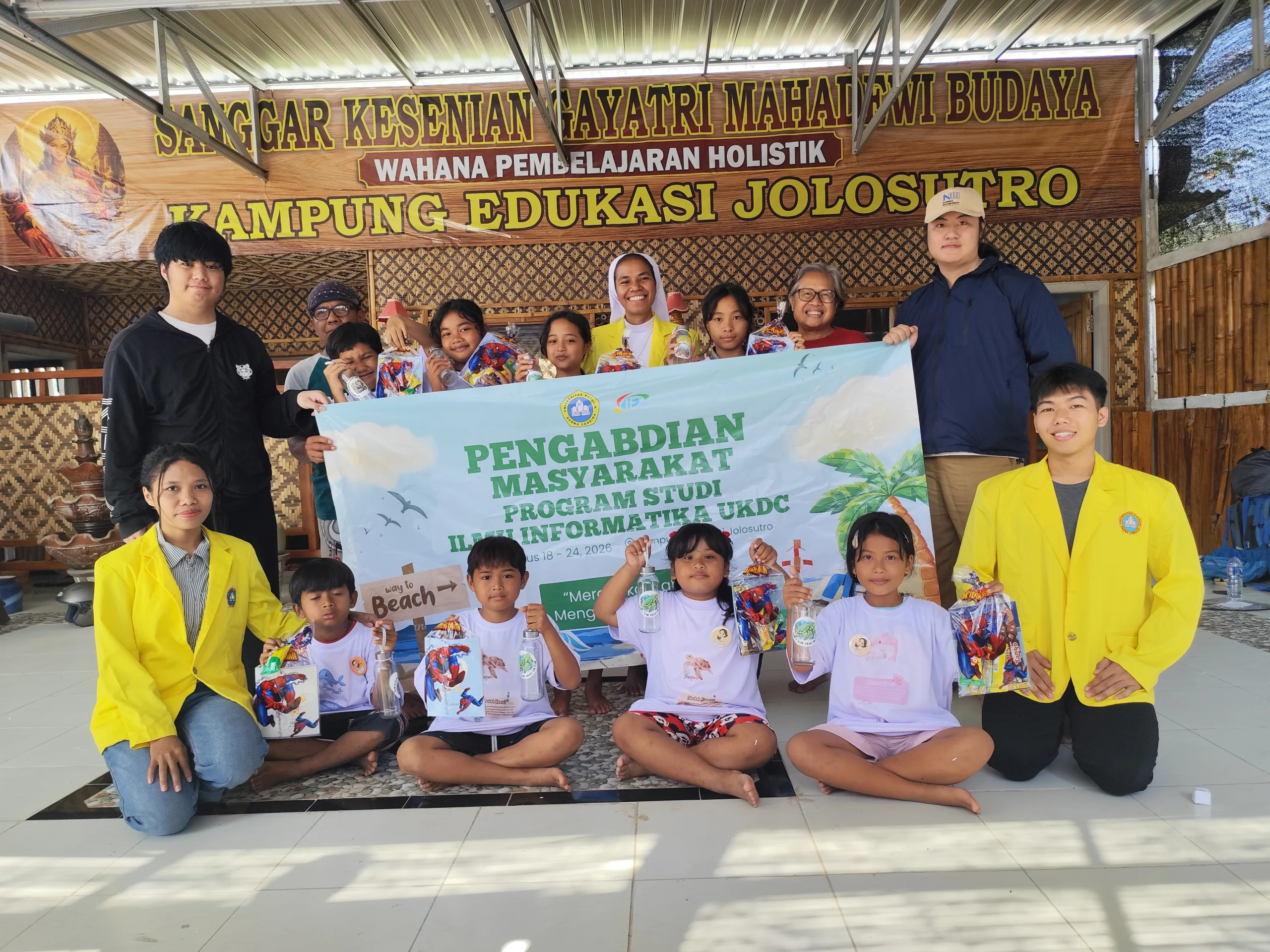
BLITAR, JurnalPost.com – The Community Service Team from the Informatics Study Program at Universitas Katolik Darma Cendika (UKDC) Surabaya held a creative workshop for children in Jolosutro Village, Wates District, Blitar Regency, East Java, from 20 to 21 August 2026.
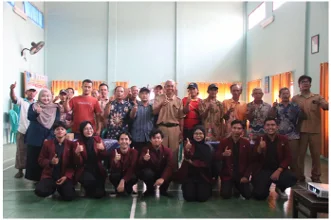
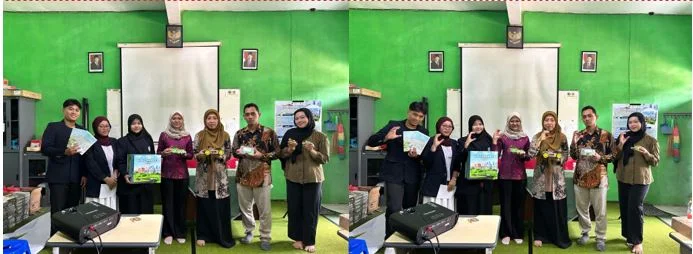
The event, held at the Sanggar Gayatri Mahadewi Budaya Jolosutro, was attended by 10 participants, consisting of nine elementary school students and one seventh-grade junior high school student.
Over two days, the children were encouraged to develop their creativity through practical t-shirt screen printing using transfer paper and decorating glass bottles with stickers themed around environmental awareness.
The program was designed to provide an out-of-classroom learning experience through simple activities that allowed participants to produce their own creations.
Beyond developing technical skills, the activity served as a medium to strengthen the children's awareness of the importance of maintaining environmental cleanliness, particularly in the coastal area of Jolosutro Beach.
Learning T-Shirt Printing Techniques with Transfer Paper
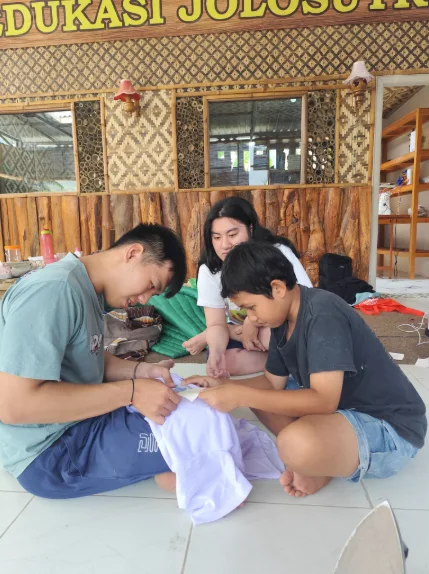
On the first day, Thursday (20/8/2026), participants were introduced to the technique of transferring designs onto t-shirts using transfer paper and a clothes iron.
The service team first explained the materials, equipment, and steps involved before the children began their practice.
Each participant then chose a pre-prepared design and determined the placement of the image on their respective t-shirts.
With the team's guidance, the children followed the process of transferring the image using the heat of the iron, up to the stage of peeling off the transfer paper to reveal the design on the shirt.
During the practice, the participants showed great interest in trying out techniques they had not previously encountered.
However, the printing process faced some technical challenges. Some parts of the transfer paper did not peel off perfectly, resulting in less-than-optimal images on some shirts.
This condition became part of the participants' learning experience. The mentoring team helped the children complete each step while providing guidance when the design transfer process encountered difficulties.
Through this activity, participants not only obtained t-shirts with their own chosen designs but also learned about the creative process, from planning and image selection to design placement and final product completion.
Glass Bottle Creations with Environmental Messages
On the second day, Friday (21/8/2026), the activities continued with decorating glass bottles using stickers that carried messages about environmental care.
Unlike the printing practice, which required intensive supervision, this activity provided broader opportunities for the children to work independently.
Participants chose from the provided stickers, cut them into their desired shapes, and then applied them to the surface of the glass bottles.
Each child was given the freedom to determine the arrangement and appearance of the decorations, ensuring that every bottle had a unique visual character.
After all participants finished their work, the service team explained the messages on the stickers, emphasizing the importance of keeping the beach and coastal environment clean.
These messages are highly relevant to the daily lives of the Jolosutro community, who live in the southern coastal region of Blitar Regency.
The children participating in the activity were already aware of the importance of environmental cleanliness. Therefore, the bottle decoration activity served as a way to reinforce these positive habits through their own creations.
With this approach, environmental education was not just delivered through lectures but was embodied in fun, creative activities.
Developing Creativity through Hands-on Experience
For the UKDC Surabaya service team, the success of the activity was not measured solely by the quality of the products, but by the engagement and learning experience of the participants.
Over the two days, the children showed enthusiasm in following every stage of the activity and trying out the skills introduced.
The difference in difficulty levels between the printing process and the sticker application also provided a diverse learning experience.
In the printing practice, participants required more assistance as they had to understand the heat-transfer technique. Meanwhile, the bottle decoration activity was easier to perform independently.
Both activities provided space for the children to develop precision, decision-making skills, and creativity in transforming simple materials into products with added value.
The plain t-shirts decorated with chosen designs and the glass bottles adorned with stickers became tangible results of the learning process.
The products the participants took home also serve as reminders of their creative experience and the environmental awareness messages received during the event.
Potential for Sustainable Creative Activities
The implementation of the activity at Sanggar Gayatri Mahadewi Budaya Jolosutro demonstrated that developing children's creativity does not have to rely on complex equipment or high-cost technology.
Through the use of simple materials and appropriate guidance, learning can be packaged into engaging practical activities that are both educational and beneficial.
The experience gained during the implementation also serves as an evaluation for developing similar programs in the future.
Using easier-to-apply printing methods, selecting materials appropriate for the participants' age, and adding simple packaging could potentially increase the quality and appeal of the final products.
Furthermore, combining creative skills with environmental awareness messages can be a relevant non-formal learning approach for children in coastal areas.
Through this community service activity, the Informatics Study Program team at UKDC Surabaya hopes that the practical experience gained will encourage the children of Jolosutro to continue trying new things, developing their creativity, and maintaining the habit of keeping their surrounding environment clean.



Comments 0
Write a Comment Share your response