

Understanding Anorexia Nervosa: A Call for Empathy, Not Judgment
Are you aware that many people still lack a basic understanding of anorexia nervosa?
Based on a survey conducted via social media among 185 respondents, 74.6% admitted they had never heard of anorexia nervosa. Furthermore, 59% of respondents reported feeling insecure after viewing the body shapes of others on social media.
These results indicate that many people remain unfamiliar with eating disorders, while beauty standards on social media can significantly influence how individuals perceive their own bodies. Consequently, public knowledge and awareness regarding eating disorders must be improved.
1. Understanding Anorexia Nervosa
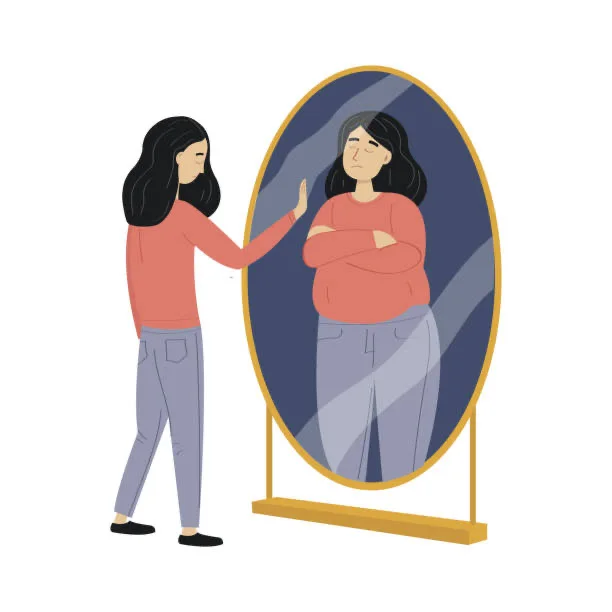
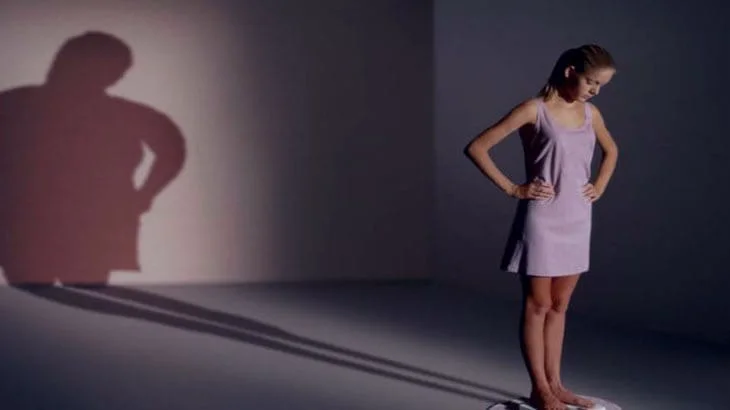
According to the DSM-5, anorexia nervosa (anorexia nervosa) is an eating disorder characterized by excessive restriction of food intake, leading to a body weight significantly below the normal range. Individuals with this disorder typically harbor an intense fear of weight gain and experience distortions in how they perceive their own body shape and weight.
This condition can cause individuals to perceive themselves as overweight even when their body weight is dangerously low (American Psychiatric Association, 2013).
This disorder can affect anyone, regardless of age, gender, or background. Because it impacts both physical and mental health, anorexia nervosa requires appropriate treatment. It is also crucial to remember that those suffering from it are not intentionally harming themselves or merely seeking attention.
2. Causes and Influencing Factors of Anorexia Nervosa
Anorexia nervosa is not caused by a single factor. It is influenced by a combination of biological, psychological, and social factors. Biological and genetic factors, for instance, can make someone more susceptible to eating disorders. Meanwhile, low self-esteem, perfectionism, anxiety, and difficulty managing emotions can also increase the risk (Keski-Rahkonen, 2024).
Social pressure also plays a role. Specific beauty standards, negative comments about body shape, and the habit of comparing one's appearance to others can alter how a person views their own body.
Social media can exacerbate this pressure by frequently displaying idealized images that do not necessarily reflect reality. However, feeling insecure or receiving negative comments does not automatically lead to anorexia nervosa.
These are merely risk factors that may interact with one another, rather than a sole cause.
3. Recognizing Signs and Impacts
Criteria for Anorexia Nervosa
a. Restriction of food intake
Energy intake is restricted to the point that body weight becomes significantly lower than expected based on age, gender, developmental stage, and physical health. For children and adolescents, the assessment also considers the weight that should be achieved during growth.
b. Fear of weight gain
There is an intense fear of gaining weight or becoming fat, as well as persistent behaviors that prevent weight gain even when body weight is already extremely low.
c. Distorted body perception
An individual may have a distorted view of their body weight or shape, place excessive importance on weight and shape for self-evaluation, or fail to recognize the seriousness of their low body weight.
The DSM-5 also categorizes anorexia nervosa into the restricting type (restricting type) and the binge-eating/purging type (binge-eating/purging type). Diagnosis and classification must be performed by a professional.
Impacts on Physical and Psychological Health
Anorexia nervosa affects both physical and psychological health. Physical impacts can include weakness, fatigue, malnutrition, and organ damage.
Meanwhile, psychological impacts may include anxiety, depression, low self-esteem, and an excessive fear of food or weight gain.
4. A Call for Empathy, Not Judgment
Anorexia nervosa is not just about someone wanting to be thin; it is an eating disorder that requires understanding and attention.
Unfortunately, there is still a misconception that those who suffer from it are just seeking attention, are too focused on their appearance, or lack self-control regarding their eating habits. Such views can make them feel blamed and reluctant to share their experiences.
Survey results from our group members also show that body image insecurity is linked to a fear of weight gain. These findings highlight the importance of improving public understanding of body image and eating disorders.
Brelet et al. (2021) explain that individuals with eating disorders may face stigma in the form of stereotypes, prejudice, and discriminatory treatment. This stigma can negatively affect psychological well-being and the willingness to seek treatment.
Therefore, we must change our perspective by avoiding blame, comparisons, or negative comments about someone's body shape.
Simple actions like listening without judgment and respecting others' conditions can help create a safer environment. Individuals with anorexia nervosa do not need judgment; they need understanding and support.
5. How Can We Help?
a. Increasing public awareness (awareness)
Share accurate information about anorexia nervosa on social media to help the public better understand eating disorders.
b. Avoiding negative comments about body shape
Avoid comparing or joking about others' body shapes, as this can affect a person's self-esteem and psychological state (Puhl et al., 2021).
c. Providing non-judgmental emotional support
Listen and show care without judging someone's condition or eating habits.
d. Encouraging professional help
Encourage individuals struggling with eating disorders to consult a psychologist or doctor. Social support is instrumental in reducing barriers to seeking help (Daugelat et al., 2023).
6. Conclusion
Let us increase our concern for mental health and eating disorders. Health is not just about physical condition, but also psychological well-being.
People suffering from anorexia nervosa deserve to be treated with kindness, heard, and supported without fear of judgment. Avoid negative comments that reinforce stigma. Support from family, friends, and professionals is vital in the recovery process (Hebebrand et al., 2024).
Anorexia nervosa is a condition that must be approached with compassion. Everyone has their own struggles and deserves acceptance, support, and the opportunity to recover without fear of being judged.
References
American Psychiatric Association. (2013). Diagnostic and statistical manual of mental disorders (5th ed.). American Psychiatric Publishing. https://doi.org/10.1176/appi.books.9780890425596
Brelet, L., Flaudias, V., Désert, M., Guillaume, S., Llorca, P.-M., & Boirie, Y. (2021). Stigmatization toward people with anorexia nervosa, bulimia nervosa, and binge eating disorder: A scoping review. Nutrients, 13(8), 2834. https://doi.org/10.3390/nu13082834
Datta, N., Hossepian, K., Xie, I., Gurcan, H. Y., Behr, S., Pouliadi, M., & Miranda, C. (2024). Anorexia nervosa across the lifespan: A review of recent literature. Focus, 22(3), 269–277. https://doi.org/10.1176/appi.focus.20230037
Daugelat, M.-C., Pruccoli, J., Schag, K., & Giel, K. E. (2023). Barriers and facilitators affecting treatment uptake behaviours for patients with eating disorders: A systematic review synthesising patient, caregiver and clinician perspectives. European Eating Disorders Review, 31(6), 752–768. https://doi.org/10.1002/erv.2999
Hebebrand, J., Gradl-Dietsch, G., Peters, T., Correll, C. U., & Haas, V. (2024). The diagnosis and treatment of anorexia nervosa in childhood and adolescence. Deutsches Ärzteblatt International, 121(5), 164–174. https://doi.org/10.3238/arztebl.m2023.0248




Comments 0
Write a Comment Share your response