

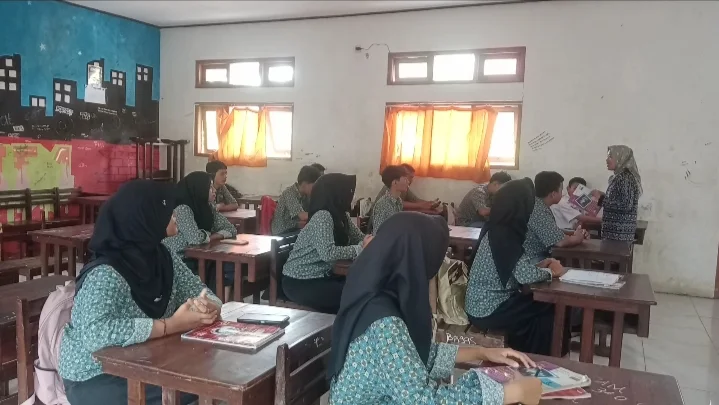
JurnalPost.com – Discourse on the digitalization of education often sounds highly ambitious on paper and in seminar rooms. Terms such as smart classrooms, artificial intelligence integration, and cloud-based learning seem to have become mandatory standards for modern schools.
Unfortunately, policy echoes from the center do not always align with the pulse on the ground. In many schools, especially in peripheral areas or private vocational schools that develop independently, the reality is much more modest: computer labs with numbers disproportionate to the student body, intermittent internet signals, and learning devices owned by only a handful of students.
This condition often places teachers in a difficult position. Curriculum demands require students to master digital literacy to be prepared for future competition. However, forcing fully online learning methods amidst minimal facilities risks creating new problems.
Instead of equalizing the quality of education, technology risks creating social barriers within the classroom. Students with adequate devices can move ahead quickly, while those with limited facilities become confused spectators in the back row.
Digitalization of Education and Student Social Reality
When viewed from the sociological and cultural foundations of education, the learning process should never be uprooted from the social reality where students stand. Schools are not ivory towers separated from the conditions of their society.
Long before the internet era entered the classroom, Ki Hadjar Dewantara had already laid the foundation for the importance of guiding children according to their natural disposition and the demands of their time.
This message is relevant to revisit today. Keeping up with the times does not mean blindly forcing the use of sophisticated tools, but rather adapting learning methods to the reality of the surrounding environment.
The problem is felt even more acutely when viewed from a psychological perspective. When technology is forced upon students while the infrastructure is not ready, they may experience learning anxiety or learning-related anxiety.
Some students may think they are incapable of understanding the lesson, when the root of the problem is actually a lack of devices or internet data. Situations like this can slowly erode their self-confidence.
In fact, the function of education is to foster curiosity and independent learning, not to burden children with device requirements that exceed their family's economic capacity.
Learning Innovation Amidst Technological Limitations
A lack of devices in schools should not hinder students' critical reasoning. This is where teachers are challenged to find more grounded teaching methods.
If the number of computer units is limited, a problem-based learning approach can be a relevant choice. Students are invited to observe everyday problems around them and then connect them to the material being studied in class.
For vocational or information technology (IT) subjects, topics such as programming logic and system design can actually be taught through unplugged simulations (unplugged activities) and everyday analogies that are close to the students' lives.
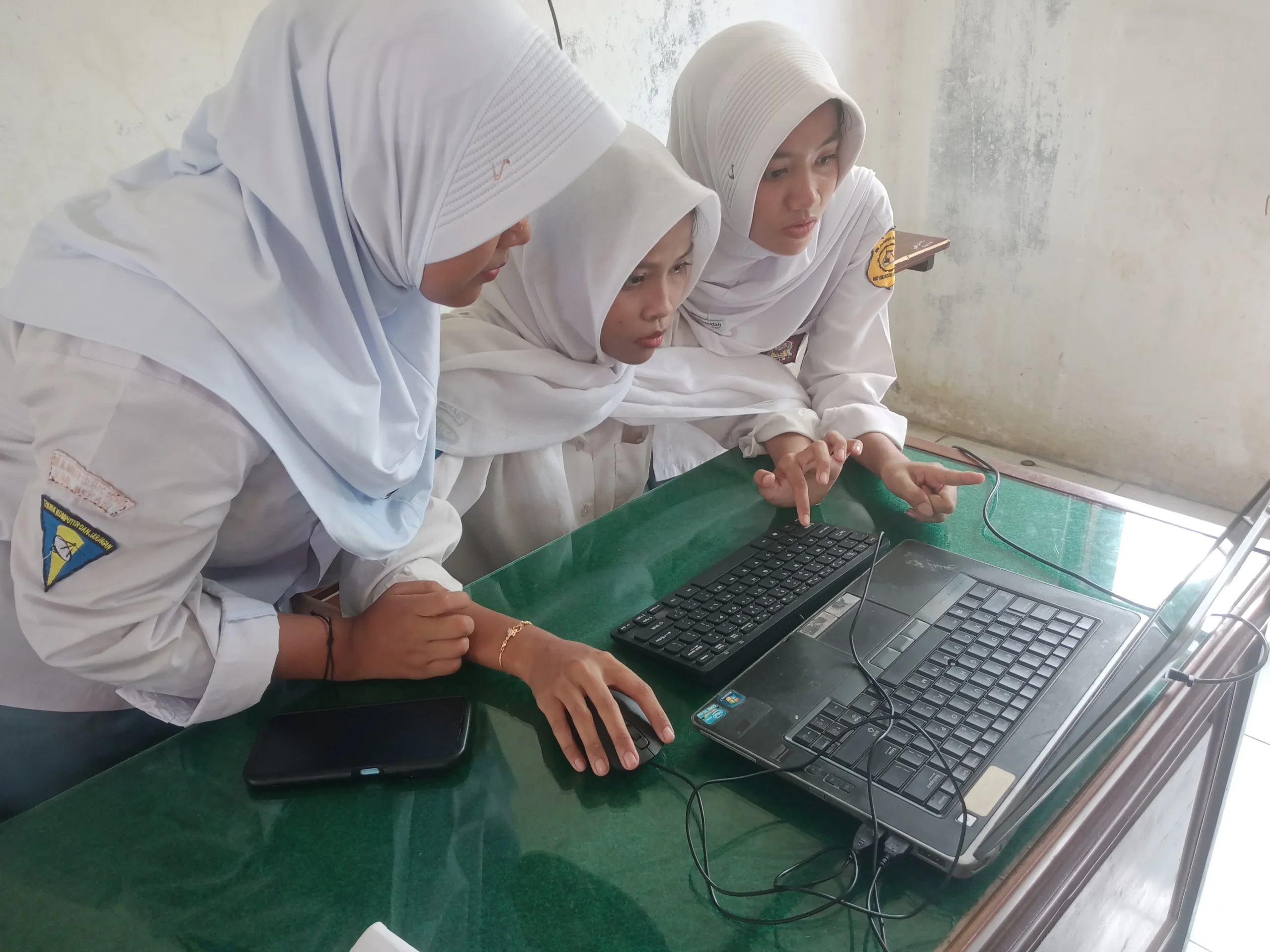
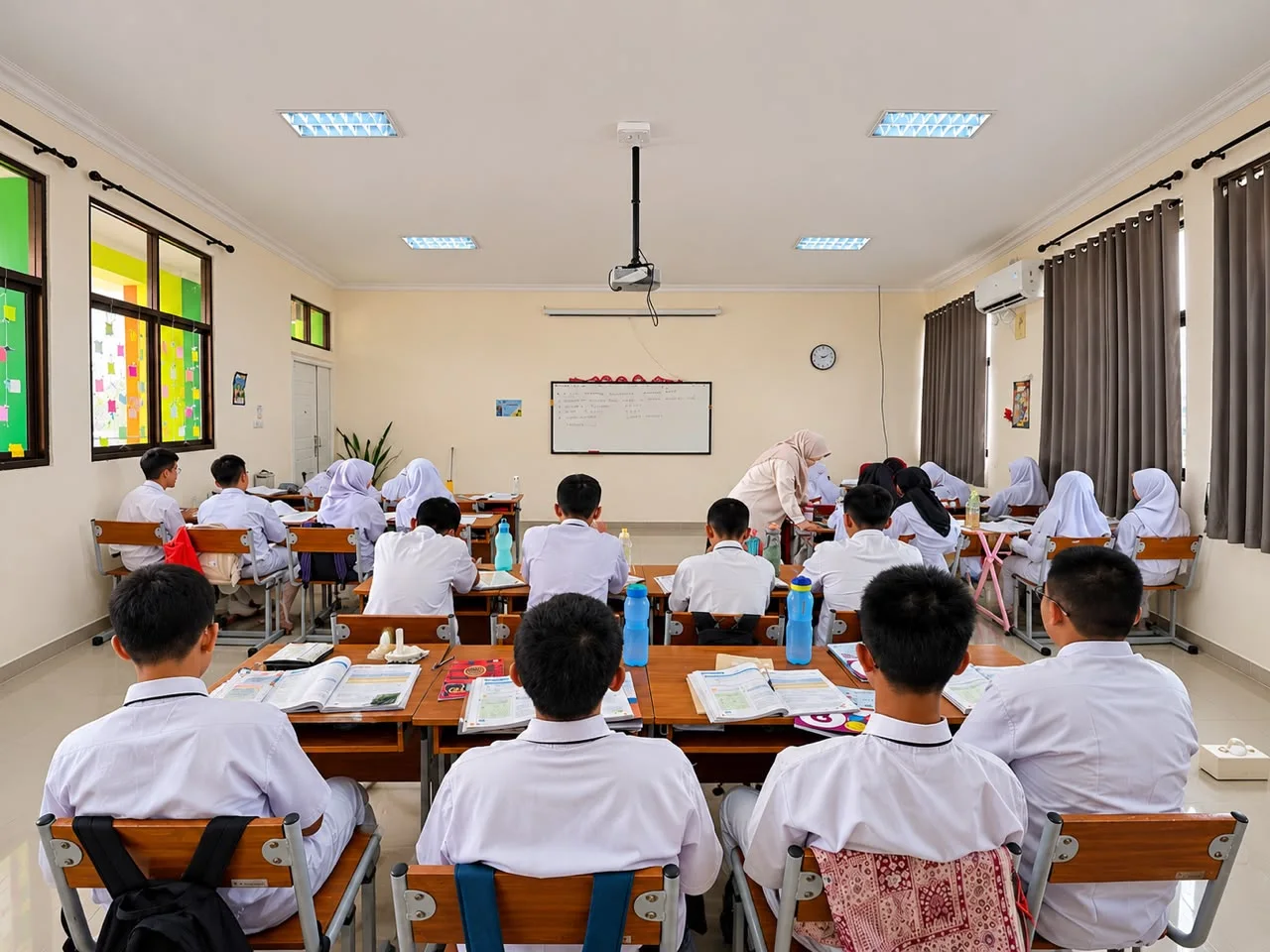
A similar picture is seen in community-based schools such as SMKS Al Manar Islamic School. Limited equipment does not mean that learning activities must lose their appeal.
A single computer unit or a simple worksheet can still serve as a discussion tool if study groups are organized well. Thus, every student has the opportunity to construct logic and solve problems together.
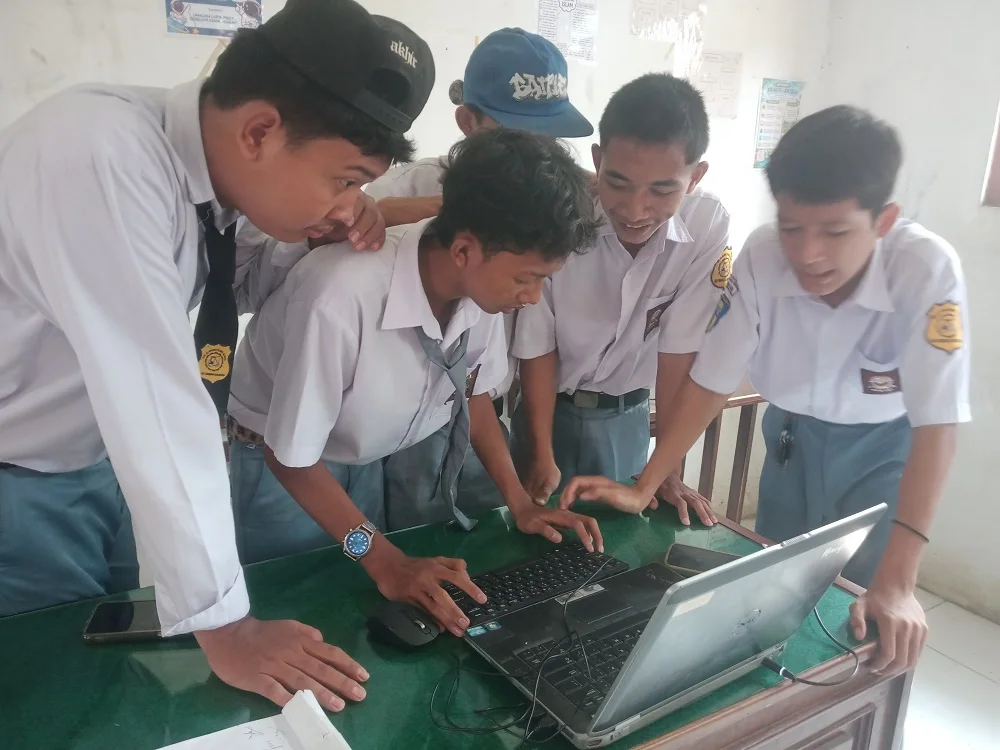
This perspective provides two important benefits for students. First, lesson material becomes easier to understand because it relates to daily life.
Second, limited devices can encourage students to engage in more dialogue, exchange arguments, and collaborate. These social skills and empathy need to be continuously nurtured, even as the use of digital devices becomes more intensive in daily life.
Equitable Digital Infrastructure Remains a State Responsibility
The creativity of teachers in dealing with limited facilities should not be an excuse for policymakers to ignore their obligations.
Procuring devices, providing proper practice rooms, and ensuring equitable internet access in various regions are part of the state's responsibility that still needs to be strengthened.
As long as these basic needs are not met, teachers and students will continue to work amidst various limitations that drain their energy.
This condition also causes efforts to improve the quality of classroom learning to stall. In fact, the potential possessed by schools, teachers, and students could develop more optimally if supported by adequate facilities and infrastructure.
Digitalization of education should not only be oriented toward the use of modern devices, but also ensure that every student has an equal opportunity to access technology and develop their competencies.
Ultimately, education is an effort to humanize human beings, not just a race to upgrade hardware.
While waiting for the equitable distribution of digital infrastructure to truly materialize in every school, the learning process must not stand still.
By grounding themselves in the reality on the ground and relying on the sharpness of teaching methods, even simple classrooms can produce a generation that is resilient, critical, and ready to face the changes of the times.
About the Author:
Yeni Nuraeni, A.Md.Kom., is a student of the Software Engineering Study Program, Faculty of Information Technology Education, University of Trunojoyo Madura (UTM). This manuscript was prepared as part of the development of the Educational Foundations course taught by Muchamad Arif, S.Pd., M.Pd.
The content and views in this opinion article are entirely the responsibility of the author.








Comments 0
Write a Comment Share your response