


SURABAYA, JurnalPost.com – Building a photography business image requires more than just high-quality cameras and final shots. Amidst the competitive creative industry, the ability to provide excellent service, maintain a consistent visual identity, and effectively introduce services to the public is essential for building customer trust.
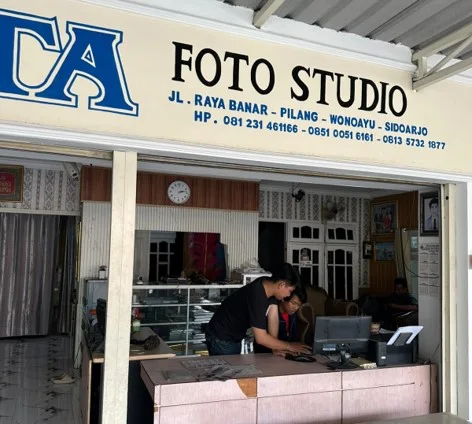
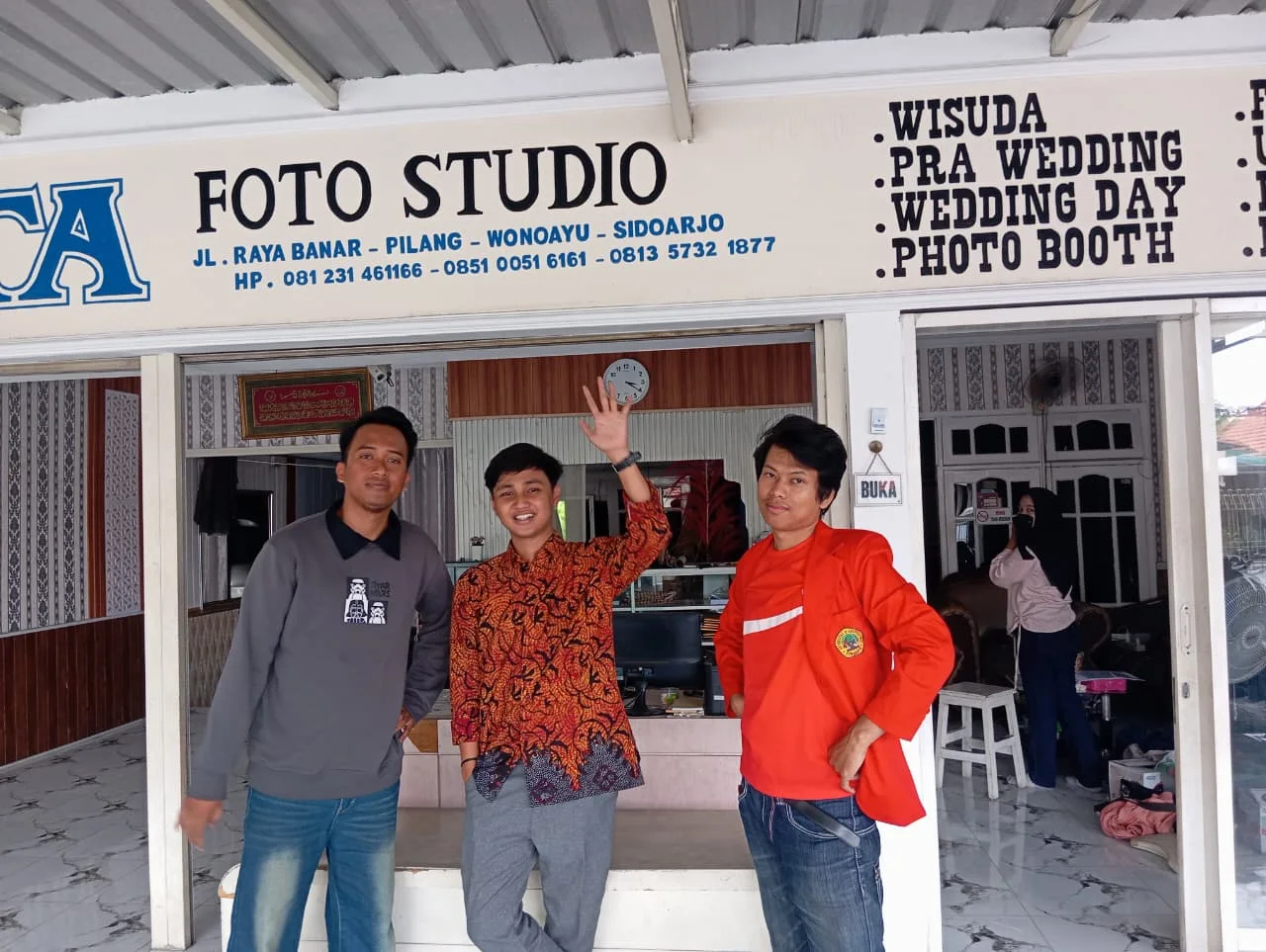
This became a valuable experience for Zuhdi Alif Mubarok, a student of the Communication Science Study Program at the University of 17 August 1945 (UNTAG) Surabaya, during his internship at GITA Photo Studio.
Through the program, Zuhdi participated in various studio operations, ranging from learning camera equipment and assisting customers to photo editing and compiling pre-wedding catalogs as promotional media.
This activity served as an opportunity to apply the knowledge of interpersonal communication, marketing communication, and visual communication acquired during his studies.
Understanding Products as a Foundation for Marketing Communication
One of the initial activities Zuhdi undertook during his internship was learning to use the photography equipment available at the studio.
He was introduced to camera components, basic setting functions, and the use of supporting gear that influences the quality of the final shots.
Although it may appear to be a technical task, familiarizing oneself with photography equipment is linked to marketing communication. Understanding products and services is necessary to ensure that information conveyed to customers is accurate.
In the photography service business, customers often require explanations regarding types of shoots, package options, print results, and services that suit their needs.
By understanding the photography production process, those responsible for customer service can provide clearer information and avoid misunderstandings.
This experience demonstrates that marketing communication is not only about the ability to offer products but also about understanding the quality and characteristics of the services being marketed.
Customer Service as a Key Component of Studio Branding
In addition to learning about camera equipment, Zuhdi had the opportunity to be directly involved in serving customers who visited GITA Photo Studio.
During these interactions, he addressed various consumer needs, ranging from printing photos for administrative purposes to personal and family documentation.
Each customer had different requests, including preferences for photo sizes, print types, and expected final results.
This situation demanded strong interpersonal communication skills, particularly in listening to customer needs, providing easy-to-understand explanations, and maintaining a friendly demeanor throughout the service process.
For a photography business, direct interaction with consumers is a critical touchpoint in shaping the company's image.
Customers do not only evaluate the photos they receive but also pay attention to their experience while using the studio's services.
Good service can increase customer satisfaction while opening opportunities for word-of-mouth recommendations.
This is especially relevant for photography businesses that build relationships with the surrounding community.
Through this experience, Zuhdi realized that branding is not always formed through large-scale promotional campaigns. The way of communicating, the clarity of information, and the response to customer needs are also part of a business's identity.
Photo Editing to Maintain Visual Consistency
Another activity performed during the internship was assisting in the photo editing process before the final results were delivered to customers.
This process included adjusting lighting, color, composition, and other visual elements to ensure the photos looked better and met consumer requirements.
From a communication science perspective, photo editing relates to visual communication—how messages and impressions are conveyed through image elements.
Consistency in photo processing can help a studio build a visual character that is more easily recognized.
However, editing results must also consider customer preferences. Every consumer has different tastes and needs, so communication remains necessary to ensure the final result meets expectations.
Through this activity, students can understand the relationship between technical photography skills and the ability to translate customer desires into visual products.
Pre-wedding Catalogs as Promotional Media and Portfolios
One of Zuhdi's contributions during his internship was the compilation of a pre-wedding catalog to introduce GITA Photo Studio's services.
The catalog was designed as an information medium that displays examples of photography work while providing an overview of the shooting concepts offered to potential customers.
In the photography industry, a portfolio is a key consideration for consumers before choosing a service provider.
Potential customers, especially couples preparing for weddings, generally need visual references to assess photography styles and the quality of the work.
Through a structured catalog, examples of photos can be displayed more attractively and clearly.
Compiling the catalog also provided space for the student to apply principles of visual communication, from image selection and photo sequencing to layout alignment that matches the studio's character.
Beyond being used as information material when serving customers in person, the catalog has the potential to be utilized in social media promotional activities.
Thus, the pre-wedding catalog functions not only as a collection of work but also as a marketing communication tool that supports the recognition of GITA Photo Studio's identity.
Applying Communication Science in Business Development
The internship experience at GITA Photo Studio shows that Communication Science students can contribute through various activities related to service and image development.
In customer service, students apply interpersonal communication to understand needs and build positive relationships.
Meanwhile, in photo editing and catalog compilation, visual communication skills are used to help produce informative and engaging materials.
In marketing, an understanding of product characteristics serves as the basis for conveying the right information to potential consumers.
These three aspects are interconnected in building a business's branding.
Brand identity is not determined solely by a name or logo, but also by the quality of interaction with customers, product consistency, and the messages conveyed through various communication media.
For students, direct involvement in these processes serves as a learning tool to understand the needs of the professional world more realistically.
Internship Challenges and Experience in the Professional World
During the internship, Zuhdi also faced several challenges, particularly in adapting to photography equipment and technical terms he had not previously encountered.
Furthermore, dealing with customers with different characters and needs was a unique experience in developing communication skills.
Not all customers can explain their desires in detail. Therefore, the ability to ask questions, listen actively, and provide service alternatives are skills that need to be developed.
This experience highlights the importance of adaptability, precision, and the ability to work collaboratively within the creative industry.
Through this internship program, Zuhdi gained the understanding that the application of communication science is not limited to mass media, public relations, or advertising.
Communication science can also be applied directly in the management of service businesses, including photography, which requires continuous interaction with customers.
The internship at GITA Photo Studio serves as a form of practical learning for students of the University of 17 August 1945 Surabaya to connect academic theory with industry needs.
Through involvement in service, photo editing, and catalog development, students can contribute to efforts to strengthen business branding while gaining professional experience as preparation for entering the workforce.
Author: Zuhdi Alif Mubarok
NIB: 1152000308
Communication Science Study Program
University of 17 August 1945 Surabaya









Comments 0
Write a Comment Share your response