

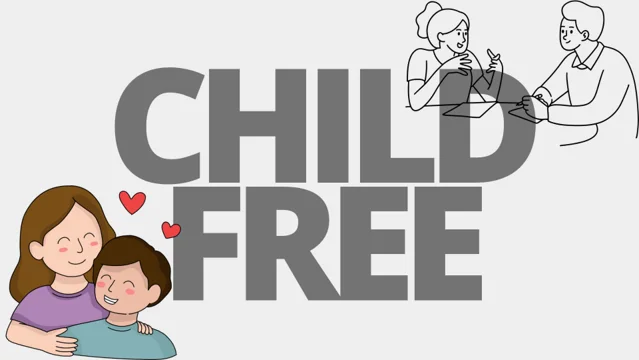
JurnalPost.com – In married life, having children is often viewed as a primary goal for couples. This is evident in the common questions directed at newlyweds, such as "When are you having kids?" or "How much longer until you start a family?"
This perspective is rooted in the traditional belief that "more children means more blessings." Consequently, many people assume that having children is a key factor in increasing the happiness and quality of a marriage.
However, as times change, societal views on married life have also evolved. Various considerations now arise before a couple decides to have children, including financial stability, personal well-being, mental readiness, and the responsibilities of child-rearing.
One phenomenon that continues to be a subject of public discussion is childfree, which is the voluntary decision by an individual or couple not to have children.
In Indonesia, the decision to be childfree remains a sensitive topic as it often clashes with cultural values, traditions, and religious perspectives.
In one referenced article, the author suggests that women are more closely associated with the childfree phenomenon because they often hold higher professional positions while also bearing the biological function of reproduction.
This perspective is worth examining, as the decision to have or not have children should involve personal considerations and mutual agreement between both partners in a marriage.
Factors Influencing the Childfree Decision
The childfree phenomenon needs to be understood more deeply, not just by looking at the reasons someone chooses not to have children, but also at the various consequences that accompany that choice.
In general, this decision can be influenced by the following factors.
Internal Factors
One consideration in choosing a childfree life is psychological. Past experiences, such as poor upbringing or family trauma, can influence a person's outlook on family life.
Additionally, mental readiness is a crucial consideration to ensure that one is capable of handling the responsibilities of parenting and meeting a child's psychological needs.
This decision relates to a couple's right to determine their own married life—whether to have children or remain childfree—based on open communication and mutual agreement, rather than pressure from one party.
Therefore, a couple's choice, once decided through mutual consideration, should be respected.
External Factors
Economic conditions are a major consideration because raising a child requires long-term financial commitment, from prenatal care and childbirth to nutrition and education.
This leads some couples to carefully weigh their financial readiness before having children.
Furthermore, social and cultural environments shape individual perspectives. Issues such as child neglect and the belief that children are an investment for old age can influence perceptions of parenting responsibilities.
Environmental conditions, such as overpopulation and pollution, also factor into the life choices of some couples.
Perspectives on Gender Roles
Regarding the author's view in the referenced article, I believe the childfree decision cannot be attributed solely to a woman's professional level or reproductive function.
Women with high education and careers do not necessarily lack the desire to be mothers. However, that desire may be accompanied by various concerns, particularly regarding the division of household responsibilities.
Through various phenomena observed on social media, such as domestic violence, patriarchal attitudes, and the lack of male involvement in child-rearing, various issues arise that can influence a woman's considerations.
Moreover, a mother who must balance work, household chores, and childcare is at risk of experiencing physical and psychological stress.
However, when a couple is mutually supportive and willing to share responsibilities, the desire to have children may become a more viable option.
Thus, the childfree decision is not just about a woman's profession, but is also influenced by the couple's readiness to share roles and various surrounding internal and external factors.
Positive and Negative Impacts of Being Childfree
These factors demonstrate that the childfree decision does not arise without consideration, but is influenced by the conditions and readiness of each individual or couple.
However, before making such a decision, it is important to recognize that this choice also has potential benefits and challenges that must be considered.
Positive Impacts
Being childfree can provide couples with greater flexibility in managing finances, advancing their careers, pursuing further education, and having more time for themselves and their partners.
Additionally, this decision can be an option for couples who feel they are not mentally, physically, or financially prepared to take on the responsibilities of parenthood.
Negative Impacts
Couples who choose to be childfree may face social pressure from their surroundings.
In a society that still views having children as a primary goal of marriage, the decision not to have children can sometimes lead to negative judgments, stigma, or repetitive questioning from family and the community.
This situation can become a source of stress if the couple lacks support from their environment.
Furthermore, couples need to prepare for social support, financial conditions, and care needs as they enter old age.
Freedom of Choice and Responsibility in Marriage
The childfree phenomenon reveals that the decision to have children is no longer just about following customs or social demands, but is tied to the readiness and considerations of the individual or couple.
Various factors, ranging from psychological and economic conditions to environmental factors and the division of household responsibilities, can influence this decision.
On the other hand, being childfree provides space for couples to live according to their own choices. However, there are also challenges such as social pressure, differences in views between partners, and the need for future life planning.
Ultimately, the decision to have children or to remain childfree must be based on open communication, readiness, mutual agreement, and an understanding of the consequences of each choice.
References
Aliano, Y. A. (2021). Haruskah Anak Zaman Now Childfree? The Columnist.
Jenuri, J., Islamy, M. R. F., Komariah, K. S., Suwarma, D. M., & Fitria, A. H. N. (2022). Fenomena Childfree di Era Modern: Studi Fenomenologis Generasi Gen Z serta Pandangan Islam terhadap Childfree di Indonesia. Sosial Budaya, 19(2).
Pebriansah, A. (2024). Childfree dalam Konteks Hak Asasi Manusia: Tantangan dan Perlindungan serta Pencapaian Hak-Hak Individu. Darussalam: Jurnal Pendidikan, Komunikasi dan Pemikiran Hukum Islam, 16(1).
Kusumaningrum, Z. S., & Hardiyanti, H. (2025). ‘Having Kids is Scary’: Fenomena Budaya atas Pandangan Perempuan Generasi Z tentang Keputusan Childfree. Jurnal Antropologi: Rineka, 1(2).
detikNews. (2021, 31 August). 5 Faktor Penyebab Orang Tidak Mau Punya Anak Alias Childfree.
Hidayah, Z. A. (2022). Childfree: Mengurangi Populasi Manusia untuk Kesejahteraan dalam Pandangan Islam dan Sosial Sains. Prosiding Konferensi Integrasi Interkoneksi Islam dan Sains (KIIIS), 4(1).
Harahap, N. S., & Siregar, M. (2025). Pro dan Kontra Childfree Perspektif Tujuan Hukum Perkawinan Islam. Jurnal Literasiologi, 13(1).
Beer, B. (n.d.). Pencegahan Penelantaran dan Eksploitasi Anak. Scribd.


Comments 0
Write a Comment Share your response