


Jombang, JurnalPost.com – The RE-CRAFTING HOPE Student Creativity Program for Community Service (PKM-PM) team from Universitas Negeri Malang (UM), in collaboration with the management of the Rumah Hati Jombang shelter, presented pyrography art created by children in conflict with the law (ABH) during an exhibition titled “Me and the World” at the Jombang Car Free Day (CFD).
This event served as the final stage of the program titled “Weaving Hope: Empowering Children in Conflict with the Law Through Pyrography as Catharsis and Social Reintegration at Rumah Hati Jombang.”
The RE-CRAFTING HOPE PKM-PM team is led by Dungo Rutmaida Manalu from the Bachelor of Psychology program. The team members include Fito Uky Syahrul Ramadan from Public Health, Inka Marchsix Irisalya from Psychology, Maulidya Putri Kamalia from Mathematics Education, and Jessica Yang from Management.
Bringing ABH Art to the Public Sphere
The exposure stage provided a space for the children to introduce the results of their learning, personal development processes, and the skills they acquired throughout the program.
Before reaching this stage, participants went through several phases. The psychosocial support phase was designed to help participants recognize and manage their emotions. Subsequently, the Owning phase was aimed at building self-confidence.
In the Productivephase, participants had the opportunity to develop pyrography skills while learning about the marketing aspects of their work. This sequence concluded with the exposure phase, where the finished pieces were introduced directly to the public.
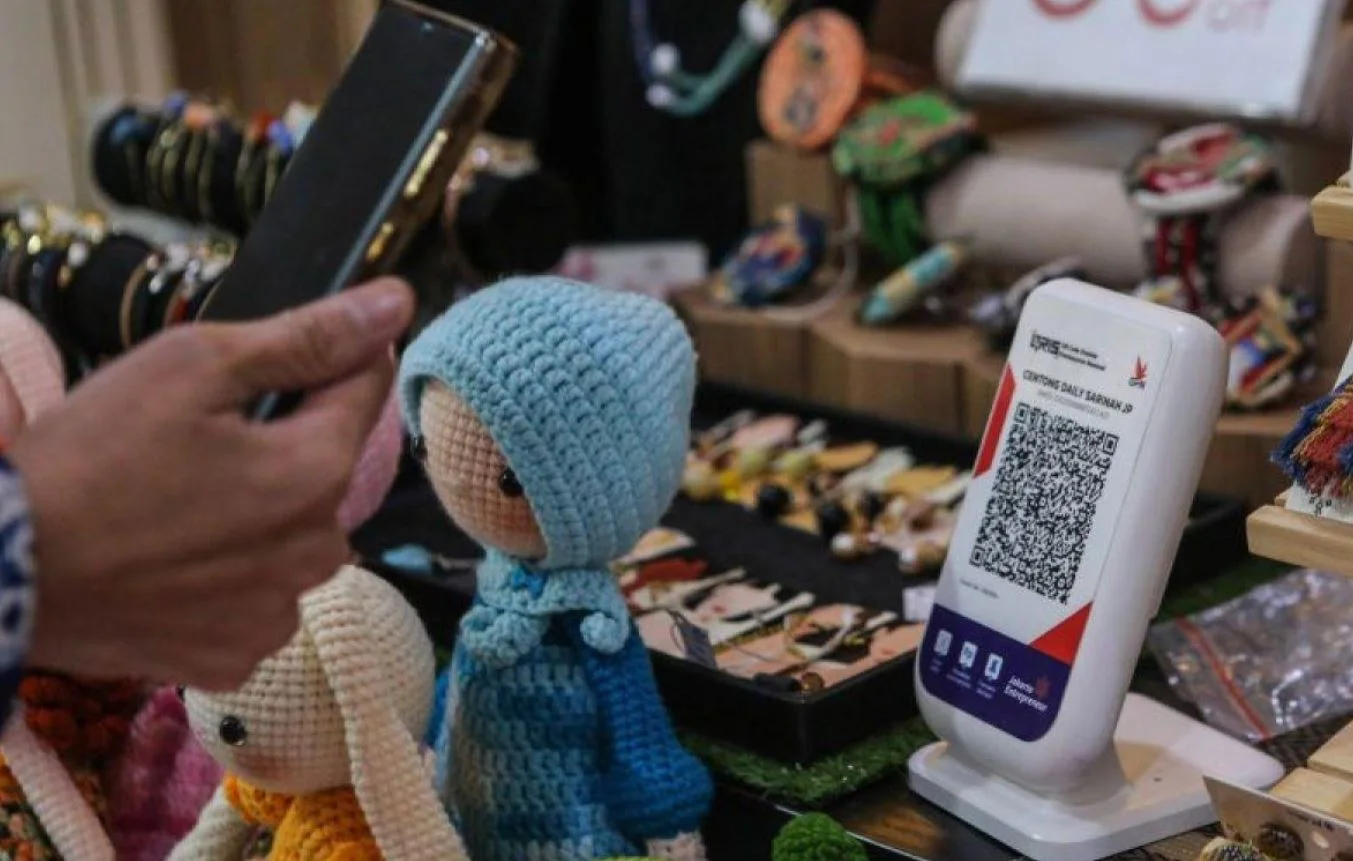
During the event at the Jombang CFD, the UM PKM-PM team and the Rumah Hati Jombang shelter management opened a booth displaying various pyrography artworks created by the children.
Visitors were able to view the works firsthand and show appreciation for the participants' creativity and skills.
The presence of the children's work in a public space is intended not only as an exhibition but also to create positive social interaction experiences between the children and the community.
Inviting the Public to Share Positive Messages
In addition to displaying the pyrography art, the RE-CRAFTING HOPE team and their partners provided a message board for visitors to offer support to the children.
Visitors at the booth were invited to write messages of motivation and positive support. These messages served as a form of direct social support while opening a channel for interaction between the public and the empowerment program.
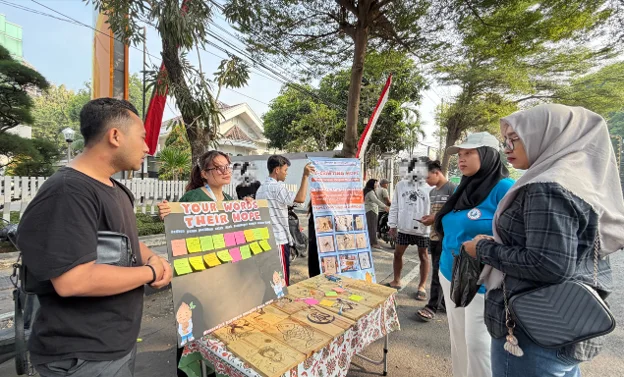
The activity is also expected to help the public view these children from a broader perspective—as individuals who possess abilities, creativity, and opportunities to grow.
Consequently, public attention is directed not only toward the legal issues they have faced but also toward their potential, their process of change, and their hopes for the future.
The public response to the event was quite positive. One visitor noted that the initiative presented by the UM PKM-PM team is beneficial for the children and holds positive value that should be continued.
The visitor also suggested that similar activities could be implemented sustainably, providing more space for these children to develop skills and receive community support.
This response illustrates that the public can offer positive acceptance when children in conflict with the law are given the opportunity to showcase their abilities and work.
Bridging Social Reintegration
For the UM PKM-PM team and the Rumah Hati Jombang shelter management, the exposure phase is not just an exhibition. It serves as a bridge between the children and the community in the process of social reintegration.
The reintegration process requires support from both sides. The children need to be prepared to re-engage with the social environment, while the community is expected to provide space for acceptance, opportunity, and support.
Through public events like the Jombang CFD, the community can witness the children's capabilities firsthand and respond to their developmental progress.
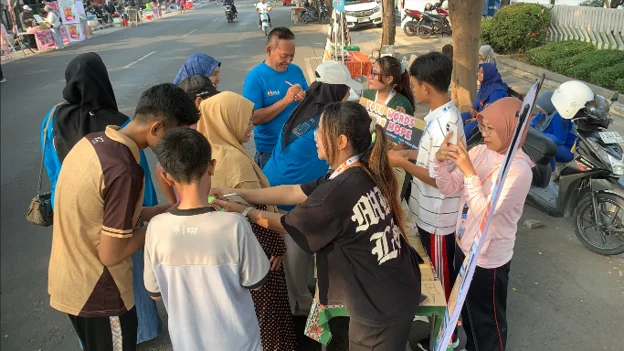
Such interactions are expected to help reduce stigma and create a social environment that is more open to the process of change.
Four Stages of Weaving Hope
The exposure stage serves as the conclusion to the RE-CRAFTING HOPE series, which connects four main phases: Psychosocial support, Owning, Productive, and Exposure.
Each stage is structured to provide a continuous experience. Participants are guided from the process of recognizing emotions and building self-confidence to learning productive skills, creating art, and finally having the courage to introduce their work to the public.
This sequence is intended to not only produce technical skills but also help the children build positive social experiences and confidence in their own abilities.
Through the collaboration with the Rumah Hati Jombang shelter, the UM RE-CRAFTING HOPE PKM-PM team hopes the program's impact will continue even after the activities have concluded.
The team hopes that spaces for these children to create and grow will remain available, allowing them broader opportunities to improve their skills, build independence, and receive positive acceptance from the community.
Ultimately, RE-CRAFTING HOPE is not just about the process of creating art, but about reopening a space of hope for these children to grow and lead their social lives more positively.




Comments 0
Write a Comment Share your response