


When Fatigue Becomes the Norm
Amidst the demands to remain constantly productive, appear perfectly fine, and keep pace with others, emotional exhaustion is often treated as something to be hidden. One might continue working, studying, caring for family, and staying active on social media, yet simultaneously feel anxious, struggle with sleep, lose energy, or feel overwhelmed by minor issues.
This issue is deeply relevant to society. A survey by the Katadata Insight Center conducted between April and May 2025, involving 1,212 respondents, found that common experiences include emotional instability, anxiety, sleep difficulties, and trouble concentrating.
While this perception survey is not a diagnostic tool for mental health disorders, it illustrates that psychological pressure is an experience that deserves to be discussed openly.
In digital spaces, we frequently encounter messages such as "you must be grateful," "look on the bright side," or "everything happens for a reason." While these messages can be empowering, they can also be painful when used to shut down space for genuine sadness.
Not every problem is solved by positive thinking, and not everyone is ready to find a silver lining when they are hurting.
Positive Psychology Does Not Mean Being Happy All the Time
Positive psychology studies the conditions and processes that help individuals and communities thrive, such as hope, character strengths, supportive relationships, meaning in life, and well-being.
This approach is not an invitation to deny difficulties or replace all negative thoughts with optimistic platitudes. Uncomfortable emotions serve a function: fear can signal danger, sadness can mark loss, and anger can indicate that a boundary has been violated.
Therefore, it is important to distinguish realistic optimism from toxic positivity. Realistic optimism acknowledges problems while seeking potential next steps.
Conversely, toxic positivity arises when the demand to always be positive makes a person feel they are not allowed to complain, cry, or ask for help. Healthy support does not force someone to be happy immediately, but rather accompanies them in understanding what they are experiencing.
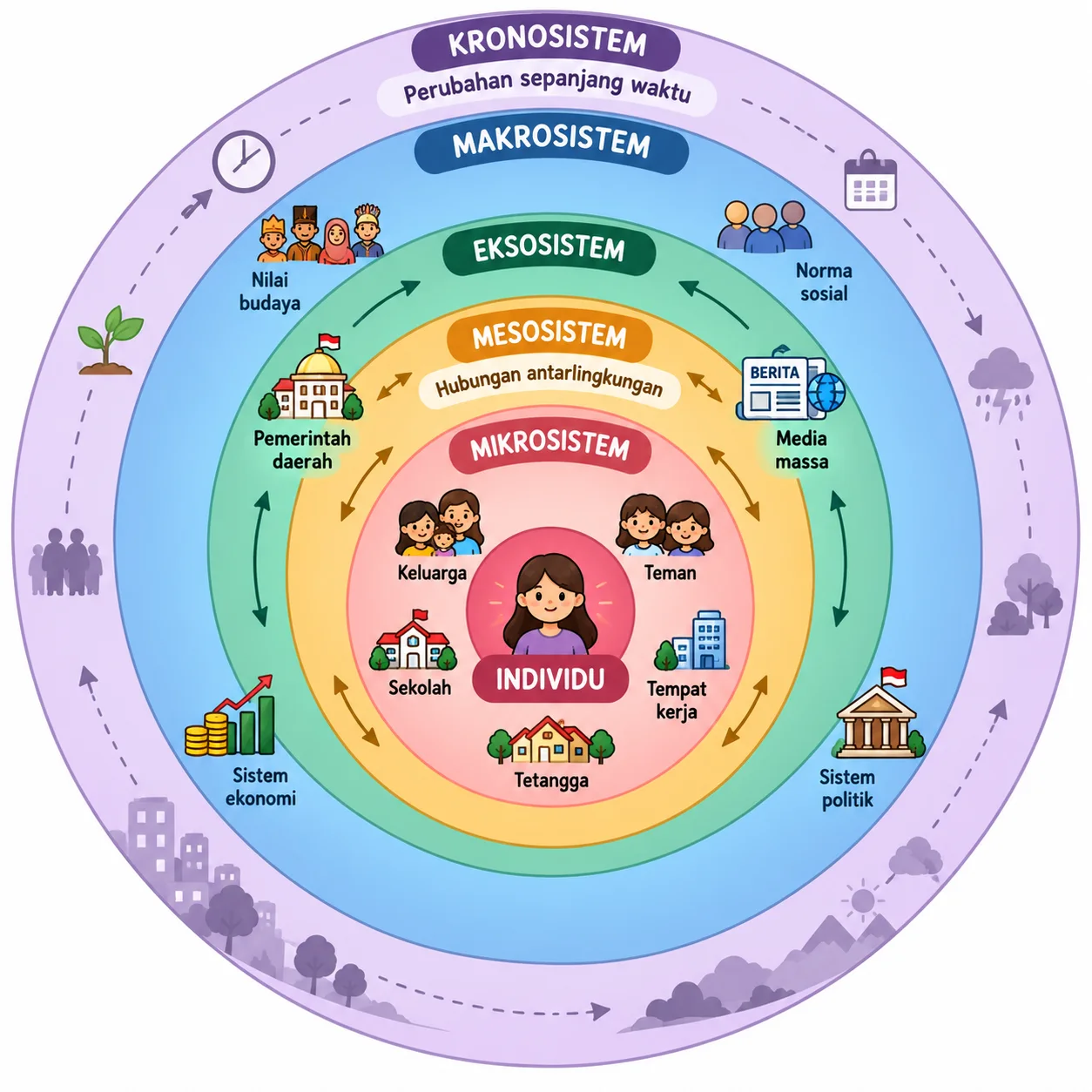
The World Mental Health Report from the World Health Organization (WHO) emphasizes that mental health is influenced by various personal, family, community, social, and structural factors.
This means that well-being is not solely an individual responsibility. Learning and work environments, economic conditions, social relationships, and access to support also play a determining role.
Self-Compassion: Speaking to Yourself More Kindly
One relevant concept in positive psychology is self-compassion or being kind to oneself.

When failing to reach a target, one might say, "I am just incompetent."
Self-compassion invites us to replace self-attacks with a more balanced response: "I am disappointed because the results did not meet expectations, but one failure does not define my entire capability. What can I learn, and what do I need right now?"
Self-compassion is not an excuse to avoid responsibility. This attitude helps a person acknowledge mistakes without treating themselves as an enemy.
Scientific reviews on self-compassion and social media usage have found a potential protective role against some negative impacts, including social comparison and body dissatisfaction, although the evidence and mechanisms remain varied.
Recent systematic reviews also discuss the relationship between self-compassion and mental health, as well as mechanisms of psychological change.
Small Habits That Can Support Well-being
Positive psychology can be applied through simple and realistic steps, without turning it into a new list of obligations.
1. Name your feelings
Take time to ask: what am I feeling, when did this feeling arise, and what might I need? There is no need to fix everything immediately.
2. Note meaningful things
Every day, write down one thing you are grateful for or one small event that felt meaningful. The practice of gratitude does not mean ignoring difficulties; both can coexist.
3. Build safe relationships
Reach out to people who can listen without rushing to judge. Social support does not always mean advice; sometimes, being truly heard is already very helpful.
4. Set boundaries with social media
Reduce accounts that trigger self-comparison, take breaks from screens, and choose responsible sources of information. Social media can be a source of education, but it does not replace professional assessment.
5. Care for basic needs
Try to sleep regularly, eat sufficiently, move according to your ability, and set aside time to rest. Start with small, achievable changes, not perfect targets.
6. Ask for help when needed
If anxiety, sadness, sleep disturbances, or difficulty functioning in daily activities persist or feel overwhelming, consider consulting a psychologist, psychiatrist, doctor, or available health services.
Supporting Without Judging
When someone shares that they are not doing well, we do not have to immediately provide a solution.
Simple phrases like "Thank you for sharing," "Do you want to be heard, or would you like us to find a solution together?" or "I may not fully understand, but I am here to listen" can open up a safer space.
Avoid comparing suffering, minimizing problems, or forcing someone to be grateful immediately.
In schools, universities, workplaces, and families, conversations about mental health should be accompanied by concrete actions: reasonable workloads, opportunities to rest, anti-bullying policies, access to help, and an attitude that does not shame people for seeking support.
Positive messages are more meaningful when supported by a caring environment.
Being Strong Does Not Mean Never Being Fragile
Mental health is not a state where one is always calm, happy, and capable of facing everything alone.
Mental health also relates to the ability to recognize emotions, navigate daily life, build relationships, adapt, and seek support when necessary.
Positive psychology reminds us to look at strengths and hope, but it does not ask us to close our eyes to pain.
We may not always be able to change our circumstances in a single day. However, we can start by stopping the self-blame for being tired, acknowledging our own needs, and treating others with empathy.
It is okay to be grateful while also being sad, to strive while also resting, and to hope while also asking for help.
You do not have to be strong all the time to keep growing.
Brief Author Biography
Masitoh Afiya Slamet is a Master’s student in Psychology (S2) with an interest in mental health issues, emotional support, psychological well-being, and the application of psychology in daily life and educational environments.
References
Anthes, L. S., & Dreisoerner, A. (2026). Self-compassion and mental health: A systematic review and transactional model on mechanisms of change. Mindfulness, 17, 684–730.
Neff, K. D. (2023). Self-compassion: Theory, method, research, and intervention. Annual Review of Psychology, 74, 193–218.
Petrovic, J., Mettler, J., Cho, S., & Heath, N. L. (2024). The effects of loving-kindness interventions on positive and negative mental health outcomes: A systematic review and meta-analysis. Clinical Psychology Review, 110, Article 102433.
van Agteren, J., Iasiello, M., Lo, L., Bartholomaeus, J., Kopsaftis, Z., Carey, M., & Kyrios, M. (2021). A systematic review and meta-analysis of psychological interventions to improve mental wellbeing. Nature Human Behaviour, 5, 631–652.
Wang, J. (2025). The mechanisms underlying the relationship between self-compassion and psychological outcomes in adult populations: A systematic review. Stress and Health, 41(4), Article e70090.








Comments 0
Write a Comment Share your response